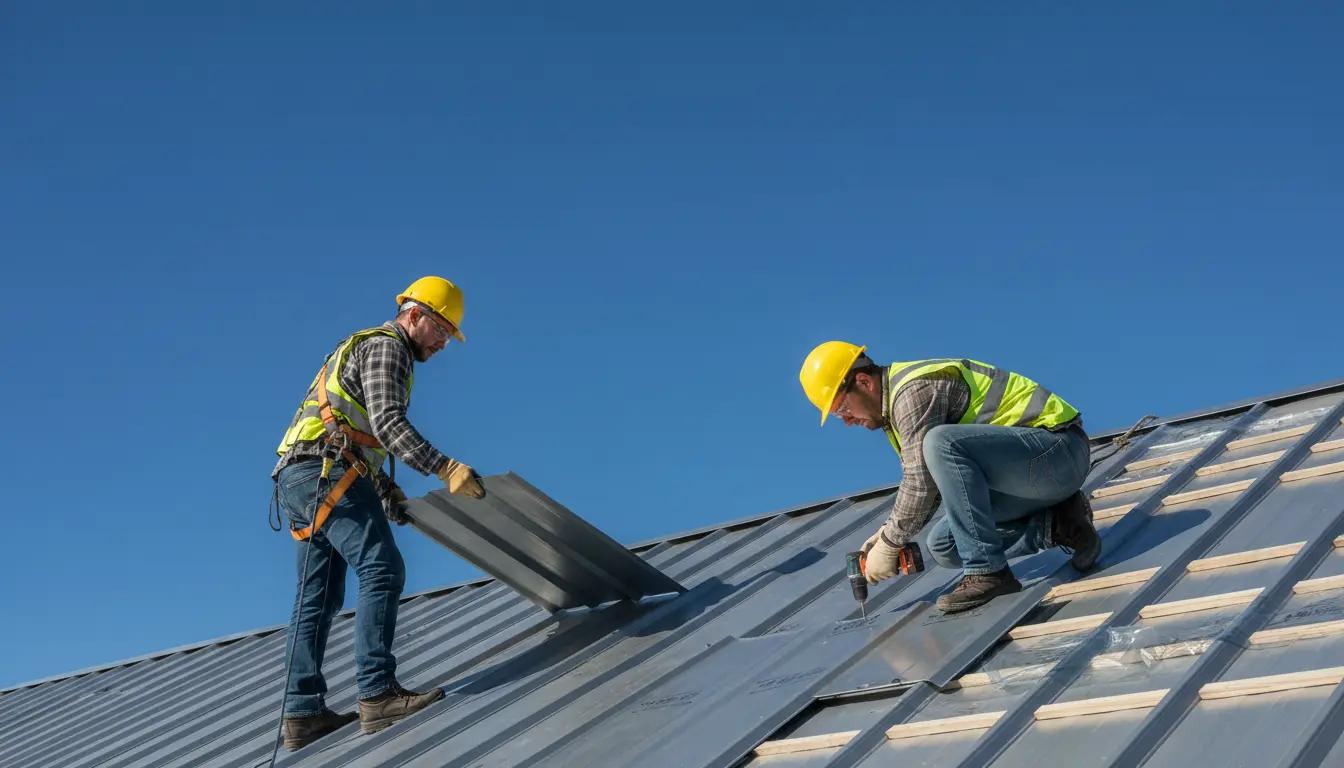
Find the Best Roof Replacement Companies for Your Business
No obligation • Fast responses • Nationwide coverage

Why you can trust Roof Lists
Roof Lists is a leading U.S. resource for finding and comparing roofing contractors. Our team researches providers, reviews customer feedback, and publishes clear, unbiased information. Companies cannot pay to change rankings or our editorial opinions.
Search providers near you
Top Roof Replacement Companies in Milwaukee, Wisconsin Ranked
Replacing your roof in Milwaukee is a significant investment in protecting your home from the region's challenging weather. The process involves selecting materials engineered to withstand heavy snow, high winds, and temperature extremes, while navigating a project timeline and budget that fits your needs. Understanding the local considerations for a new roof installation-from material choices suited to Wisconsin's climate to the realistic costs and timelines-is the first step toward a successful, long-lasting result.
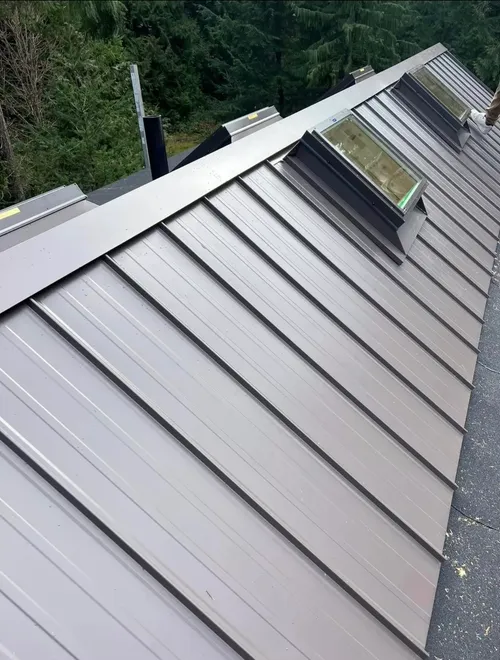
All Season Roofing
6600 Industrial Loop, Greendale, WI 53129
All Season Roofing is a roofing contractor based in Milwaukee, WI, offering residential and commercial roofing services including installation, replacement, repairs, and inspections. They also provide siding and gutter installation and repair services across the Milwaukee Metro area and surrounding communities. The company is GAF certified, enabling them to provide industry-leading warranties and ensure high-quality workmanship. They utilize advanced equipment like the All Season Roofing Equipter to manage debris and maintain clean job sites. With over five years of experience serving Southeast Wisconsin, All Season Roofing supports customers with free roof inspections, detailed estimates, and assistance with insurance claims.
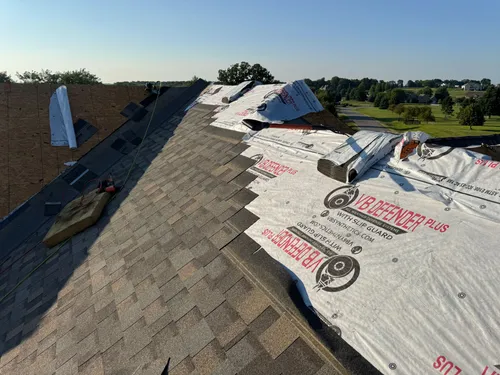
Modern Exterior Roofing
2865 S 67th St, Milwaukee, WI 53219
Modern Exterior Roofing is a family-owned business providing residential and commercial roofing, gutter, window, and siding services in Milwaukee, WI. They offer roof inspections, repairs, installations, and maintenance tailored to each property's needs. The company emphasizes quality materials and transparent pricing while serving the Milwaukee area. With over 30 years of experience, Modern Exterior Roofing delivers durable roofing solutions and comprehensive exterior services. They also assist customers with insurance claims and provide financing options through a partner.
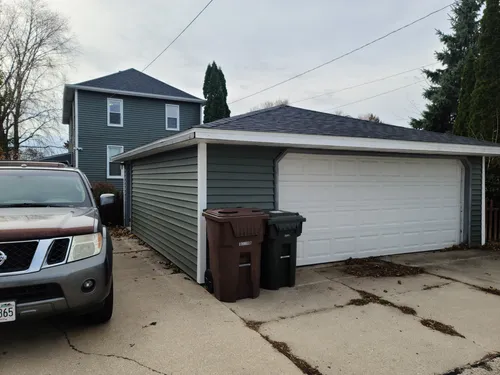
Absolute Home Improvements Inc.
821 Clark Ave, South Milwaukee, WI 53172
Absolute Home Improvements Inc. is a family owned and operated contractor based in Milwaukee, WI, offering a range of exterior home improvement services including roofing, siding, gutters, windows, and door installations. Established in 2005, the company focuses on quality workmanship and affordability, guiding homeowners through their projects to enhance energy efficiency and appearance. They are licensed in Wisconsin and provide roofing services such as roof installation, replacement, and leak repair, following manufacturer specifications to maintain warranties. Absolute Home Improvements is known for handling projects like complete roof tear-offs and replacements efficiently, often completing multiple layers removal and installations in a single day.
Smart Roofing & Sheet Metal Company
4985 S Sunny Slope Rd, New Berlin, WI 53151
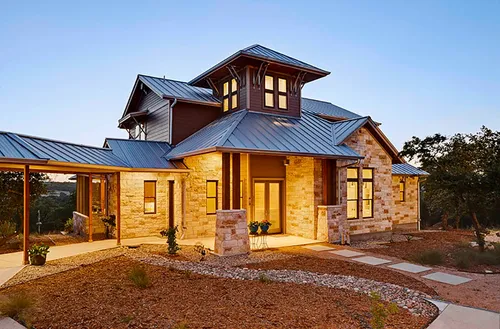
Smart Roofing & Sheet Metal Company is a family-owned roofing contractor serving Milwaukee, WI, and the surrounding areas. With 70 years of experience, they specialize in residential and commercial roofing, including installation, replacement, and repair of asphalt shingles, rubber, and metal roofs. They are certified installers for major manufacturers like CertainTeed, GAF, and Owens Corning, and offer standing seam metal roofing panels manufactured on-site to custom specifications. The company also provides roof inspections, certifications, gutter installation, and maintenance services. Their work includes complete tear-offs to identify underlying issues such as decking or ventilation problems. Smart Roofing backs their craftsmanship with a 10-year workmanship warranty and strong manufacturer warranties.
Billy Goat Roofing
8035 N Port Washington Rd, Milwaukee, WI 53217
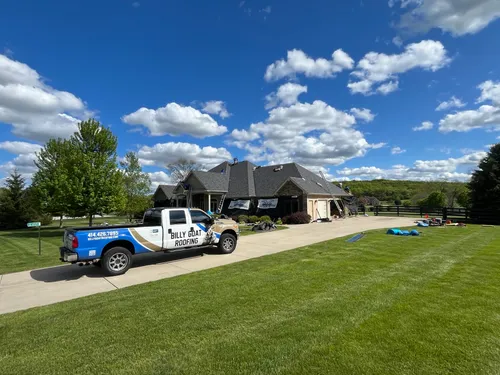
Billy Goat Roofing is a full-service roofing contractor based in Milwaukee, WI. They specialize in roof installation, replacement, repair, leak repair, and roof inspections. Serving Milwaukee County and surrounding areas in Wisconsin, the company offers tailored exterior services including siding and gutters. Known for working closely with insurance companies and providing thorough roof certifications, Billy Goat Roofing handles projects ranging from minor repairs to full roof replacements. The team is experienced in addressing difficult repairs such as flashing and flat roofs. While the business history is not specified, customer reviews highlight their professionalism and attention to detail.
Understanding Milwaukee's Climate and Roofing Demands
Milwaukee's proximity to Lake Michigan creates a unique set of environmental challenges for any roofing system. The city experiences severe seasonal shifts, making material resilience a top priority for any roof installation project.
Snow and Ice Accumulation: Heavy winter snow loads are a primary concern. A roof with insufficient pitch or poor ventilation can lead to ice dam formation, where melted snow refreezes at the eaves, forcing water back under shingles and causing leaks and structural damage.
Wind and Hail Storms: Spring and summer storms often bring high winds and hail off the lake. Roofing materials must be rated for high wind resistance (often 110 mph or higher) and impact resistance to prevent cracking or granule loss from hail.
Temperature Fluctuations: The freeze-thaw cycle is relentless. Materials must remain flexible in bitter cold and stable in summer heat without becoming brittle, cracking, or degrading prematurely. This makes proper installation and high-quality, climate-specific materials non-negotiable.
Popular Roofing Materials for Milwaukee Homes
The right roofing material balances durability, aesthetics, and budget while meeting the demands of the local weather. Here's a breakdown of the most common and suitable options for residential roof replacement in the area.
Asphalt Shingles: This is the most prevalent residential roofing material in Wisconsin due to its cost-effectiveness, reliable performance, and wide variety of styles. 1
- 3-Tab Shingles: The most basic and economical option, but generally less durable and wind-resistant than upgraded varieties.
- Architectural (Dimensional) Shingles: The most popular choice for new installations and replacements. They are thicker, heavier, and offer a more dimensional appearance, with better wind resistance and longer warranties, making them a superior choice for Milwaukee's climate.
Metal Roofing: Gaining significant popularity for its exceptional longevity and performance. 2
- Standing Seam: A premium option with concealed fasteners and interlocking panels. It excels at shedding snow, resists high winds, and can last 40-70 years. The initial cost is higher, but the lifecycle value is excellent. 3
- Exposed Fastener (Corrugated): A more budget-friendly metal option, though it generally has a shorter lifespan than standing seam due to the potential for fastener loosening over time.
Cedar Shakes: Offers a classic, natural aesthetic and provides good natural insulation. When properly maintained, cedar can withstand freeze-thaw cycles well. However, it requires more maintenance than asphalt or metal and has specific fire code considerations.
Slate and Tile: These are premium, long-lasting materials (75-100+ years) that offer unmatched beauty and durability. Their significant weight often requires a structural assessment to ensure your home's framing can support them. They are a high-investment option but provide a timeless look. 4
The Roof Replacement Process: What to Expect
A full roof replacement is a multi-step process typically managed by a professional contractor. Knowing the steps can help you understand the workflow and timeline.
- Inspection and Estimate: A certified contractor will inspect your existing roof, decking, and attic ventilation. They will measure the roof's "squares" (100 sq. ft. units), assess the complexity, and discuss material options before providing a detailed, written estimate.
- Material Selection and Scheduling: Once you approve the estimate, materials are ordered, and a project schedule is set. Ideal scheduling considers weather forecasts, as installation should not occur during rain, snow, or extreme cold (below 40°F).
- Preparation and Tear-Off: The work area around your home is secured with tarps and magnetized rollers to catch nails. The old roofing materials (shingles, underlayment) are completely removed down to the roof deck.
- Deck Inspection and Repair: The exposed wood deck is thoroughly inspected for water damage, rot, or soft spots. Any compromised wood is replaced to ensure a solid foundation.
- Installation of New System: The new roof system is installed in layers:
- Drip Edge: Metal flashing installed along the roof edges.
- Ice and Water Shield: A self-adhering membrane installed in vulnerable areas (eaves, valleys, around penetrations) to prevent ice dam water intrusion.
- Underlayment: A water-resistant barrier felt or synthetic sheet installed over the entire deck.
- Flashing: Metal pieces are installed and sealed around chimneys, vents, skylights, and wall intersections.
- Shingles/Metal Panels: The primary roofing material is installed according to manufacturer specifications for nailing patterns and overlap.
- Clean-Up and Final Inspection: The site is meticulously cleaned using magnets and tarps. The contractor will perform a final walk-through with you to ensure your satisfaction and explain warranty details.
Find the perfect roof replacement companies for your needs
Get personalized recommendations and expert advice
Project Timeline: How Long Does a Roof Installation Take?
For a standard-sized Milwaukee home with asphalt shingles, the physical installation typically takes 1 to 3 days. Several factors can extend this timeline:
- Roof Complexity: Simple gable roofs are faster. Homes with multiple levels, steep pitches, numerous dormers, skylights, or chimneys require more time for careful flashing and detailing, potentially extending the project to 4-7 days. 5
- Material Type: Installing architectural shingles is relatively quick. Premium materials like standing seam metal, slate, or tile require more precision and specialized labor, often taking several days to two weeks. 6
- Weather Delays: In Milwaukee, weather is the most common variable. Contractors will pause work for safety and material integrity during rain, high winds, or freezing temperatures. 7 8
- Unexpected Repairs: The discovery of significant rotten decking or structural issues during tear-off will add time for necessary repairs before new materials can be installed.
Cost Considerations for Roof Replacement in Milwaukee
The total investment for a new roof in Milwaukee varies widely based on size, material, and complexity. Costs are generally broken down by material and labor per roofing "square."
Asphalt Shingles: The most common and budget-friendly option. For a full tear-off and replacement, homeowners can expect a total cost range of $6,000 to $12,000, with an average around $9,130. The price per square foot for materials and labor often falls between $3.50 and $5.50. 9 10 11
Metal Roofing: Represents a mid-to-high-range investment with excellent longevity.
- Exposed Fastener Systems: Can range from $10,000 to $15,000.
- Standing Seam Systems: A premium, long-term solution, with costs typically starting around $30,000 and reaching $50,000+ for larger homes.
Slate or Tile Roofing: These are premium, high-cost installations due to material expense, specialized labor, and potential structural reinforcement needs. Projects often range from $12,000 to $25,000+, with median-sized roofs frequently costing between $36,000 and $51,000. 12 13
Always obtain multiple detailed, itemized quotes from licensed, insured, and locally accredited contractors (such as those with GAF certification) to compare the scope of work and ensure all necessary components like ice and water shield, proper ventilation, and quality underlayment are included. 14
Key Features for a Durable Milwaukee Roof
Beyond the shingles or metal panels themselves, specific components are critical for performance in this climate.
- Proper Ventilation: A balanced system (intake at the eaves, exhaust at the ridge) is essential to regulate attic temperature, reduce ice dam risk, and prolong the life of your roofing materials. 15
- Ice and Water Barrier: This self-adhering membrane is a crucial line of defense against water infiltration from ice dams and wind-driven rain. It should be installed at minimum along the eaves and in all valleys. 16
- High-Wind Rated Materials: Ensure your chosen shingles or metal panels are rated for the wind speeds common in your area. Proper installation with the correct number and placement of fasteners is equally important. 17
- Quality Flashing: The metalwork around roof penetrations (chimneys, pipes, vents) and wall intersections is where leaks most commonly occur. Properly installed and sealed flashing is non-negotiable.
Frequently asked questions
Sources
Footnotes
-
What is the Most Commonly Used Residential Roofing Material - https://rooster-roofing.com/what-is-the-most-commonly-used-residential-roofing-material/ ↩
-
Metal Roofing Contractors in Wisconsin - Infinity Exteriors - https://www.infinityroofing.com/wi/roofing/metal ↩
-
The Best Materials for Roofs in Wisconsin's Climate - https://www.xlprop.com/post/the-best-materials-for-roofs-in-wisconsin-s-climate ↩
-
Residential Roofing Services in Milwaukee - https://www.aloisroofing.com/Residential ↩
-
How Long Does It Take to Replace Your Roof? - https://blog.equityroofs.com/how-long-to-replace-your-roof ↩
-
Ask A Roofer: How Long Does It Take To Install A New Roof - Rapid Roofing - https://rapidroofing.com/blog/ask-a-roofer-how-long-does-it-take-to-install-a-new-roof-your-comprehensive-timeline-explained/ ↩
-
Average Roof Replacement Time: 7 Key Facts for 2025 Success - https://goliniroofing.com/average-roof-replacement-time/ ↩
-
When is the Best Time of Year to Replace a Roof? - Erie Home - https://eriehome.com/blog/best-time-of-year-to-replace-a-roof/ ↩
-
Roofing Contractor in Waukesha | Mighty Dog Roofing - https://www.mightydogroofing.com/milwaukee-metro-wi/ ↩
-
Replacing Your Roof in 2025? Here's What It Will Cost You - https://www.ridgetopexteriors.com/blog-posts/roof-replacement-costs-2025 ↩
-
Roof Replacement West Bend & Appleton, WI - CAB Construction - https://www.getcabconstruction.com/pricing ↩
-
Milwaukee Roof Replacement Costs in 2025 - https://allseasonroofingwi.com/milwaukee-roof-replacement-costs-in-2024/ ↩
-
Wisconsin Roofing Contractor Serving Milwaukee, Madison, ... - https://www.infinityroofing.com/wi/roofing ↩
-
Wisconsin Roof Cost Calculator (3-steps, 5 types of roofs) - https://www.infinityroofing.com/wi/roof-cost-calculator ↩
-
Choosing the Right Roof Style for Our Climate: A Guide for ... - https://www.communityroofingandrestoration.com/choosing-the-right-roof-style-for-our-climate-a-guide-for-milwaukee-homeowners/ ↩
-
Roof Repair in Wisconsin Serving Milwaukee, Madison, Appleton, & ... - https://www.infinityroofing.com/wi/roofing/repair ↩
-
Roof Repair & Installation West Allis WI - https://firstchoiceroofingmke.com/service-area/roofing-west-allis-wi ↩