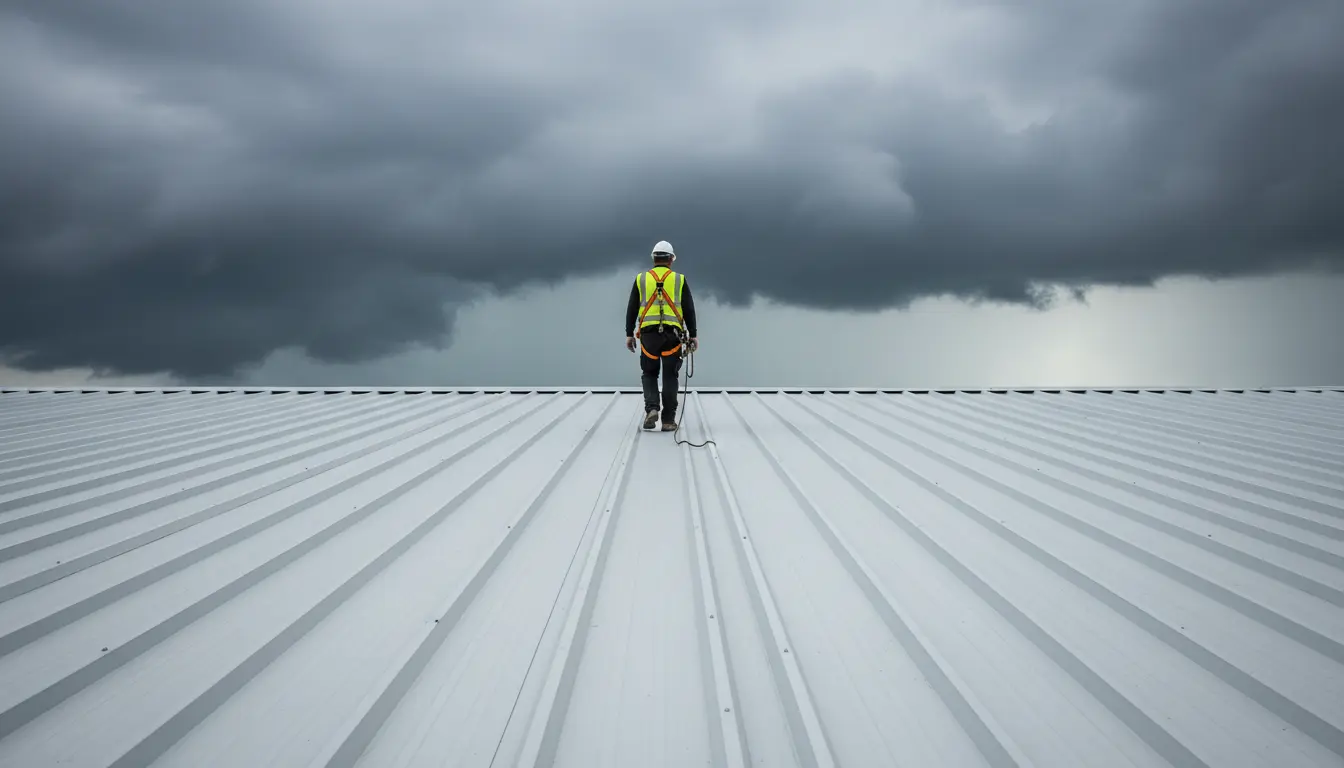
Find the Best Roof Inspectors for Your Business
No obligation • Fast responses • Nationwide coverage

Why you can trust Roof Lists
Roof Lists is a leading U.S. resource for finding and comparing roofing contractors. Our team researches providers, reviews customer feedback, and publishes clear, unbiased information. Companies cannot pay to change rankings or our editorial opinions.
Search providers near you
Top Roof Inspectors in San Marcos, Texas Ranked
Maintaining a healthy roof in Texas isn't just about fixing leaks; it's a proactive defense against some of the most demanding weather in the country. From the blistering sun and hail of North Texas to the humid, storm-prone Gulf Coast, your roof faces unique challenges that require a tailored inspection strategy. Regular, professional assessments are the most effective way to identify minor issues before they become major, costly repairs, and are often a requirement to keep your homeowners insurance valid. Understanding the specific threats to your region and the value of a thorough evaluation is key to protecting your home's integrity and your investment.
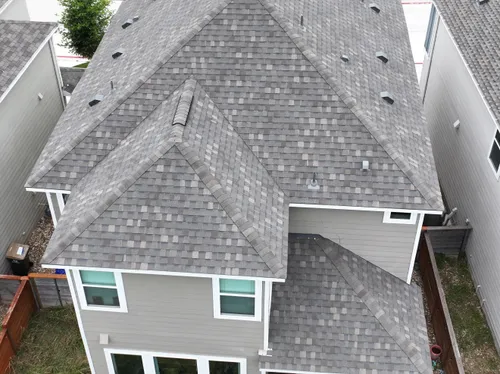
LOA Construction and Austin Roofing
706 W Ben White Blvd Suite 200B, Austin, TX 78704
LOA Construction and Austin Roofing is a roofing contractor based in Austin, TX, offering services such as roof installation, replacement, repair, leak repair, metal roofing, roof inspection, and certification. They serve residential and commercial clients throughout the Austin area. The company is experienced in handling insurance claims related to hail and wind damage, and they provide detailed roof inspections and documentation to support claims. Their expertise includes metal roofing with standing seam options and asphalt shingle installations. LOA Construction and Austin Roofing has built a reputation for managing complex roofing projects and insurance processes efficiently.
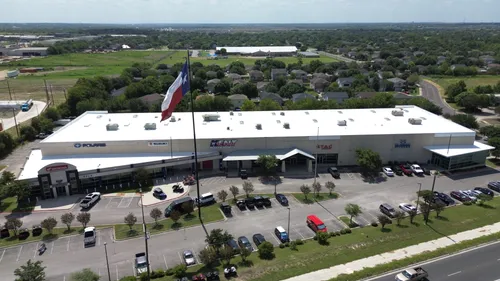
Cool Roofs
2121 E 6th St #201, Austin, TX 78702
Cool Roofs is a roofing contractor based in Austin, TX, offering a range of services including roof installation, repair, metal roofing, and roof inspections. They serve both residential and commercial clients, providing specialized solutions such as solar installation and luxury roofing. With over 10 years of experience and a strong local presence, Cool Roofs has completed thousands of projects in the Austin area. Their team is skilled in handling complex roofing needs, including standing seam metal roofs and roof certifications.
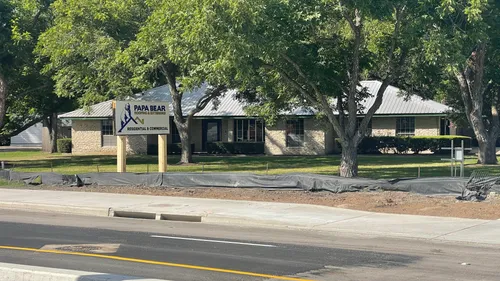
Papa Bear roofing and exteriors
8123 State Hwy 71, Austin, TX 78735
Papa Bear Roofing and Exteriors is a family-owned roofing contractor based in Austin, TX. They provide residential and commercial roofing services including roof repair, replacement, and installation of asphalt shingles, architectural shingles, metal roofs, and single-ply TPO roofing. Their service area covers Austin and surrounding counties such as Travis, Williamson, Llano, and others. The company offers free inspections for storm, wind, and hail damage and assists with insurance claims. Papa Bear Roofing is experienced in fluid applied metal roof coatings and roof ventilation repair. With over 20 years of experience, they have built a reputation for thorough roof inspections and quality workmanship.
Lapeyre Roofing
215 Brazos St, Austin, TX 78701
Lapeyre Roofing is a roofing contractor based in Austin, TX, offering residential and commercial roofing services. They provide roof installation, replacement, repair, inspection, and certification, working with various materials including asphalt shingles, metal roofing, and tile. The company is known for fortified roof installations designed to withstand severe weather and improve energy efficiency. Lapeyre Roofing also offers emergency repair services to address urgent roofing needs. Serving the Austin area, they have earned a strong reputation with over 200 customer reviews and provide 50-year product warranties.

LoveRain Roof Co.
11859 Rim Rock Trail, Austin, TX 78737
LoveRain Roof Co. is a roofing contractor based in Austin, TX, specializing in roof installation, replacement, repair, and inspection services. They serve Central Texas, including Austin and surrounding cities, offering expertise in metal roofing, standing seam systems, and roof certification. The company is experienced in handling insurance claims and provides detailed roof inspections with photo documentation. LoveRain Roof Co. is known for working on both residential and commercial roofing projects, including metal roof installations designed to withstand extreme weather conditions.
Why Texas Homes Need Frequent Roof Inspections
The Texas climate is notoriously volatile, subjecting roofing materials to extreme stress. Unlike milder regions, the "set it and forget it" approach doesn't apply here. Proactive maintenance through scheduled inspections is the single most important factor in extending your roof's lifespan 1. These check-ups do more than spot trouble; they provide documented proof of your roof's condition, which is crucial for insurance purposes and warranty claims. After severe weather events, an inspection report from a qualified professional can be the difference between a fully covered insurance claim and a denied one.
Recommended Inspection Frequency for Texas Roofs
Given the environmental pressures, a one-size-fits-all inspection schedule isn't sufficient. The ideal frequency depends on your roof's age, location, and recent weather events. General guidelines for Texas homeowners include:
- At Least Annually: For newer roofs (under 10 years) in areas considered lower risk.
- Twice a Year (Spring and Fall): This is the recommended standard for most Texas properties. A spring inspection checks for winter damage, while a fall inspection prepares the roof for winter storms 2 3 4.
- After Any Severe Weather: Immediately following hail, high winds, tornadoes, or tropical storms, regardless of when your last inspection was 5 6.
- Quarterly: For older roofs (over 10-15 years), roofs with previous repair history, or properties with significant tree cover that can drop debris and retain moisture.
Regional Climate Challenges and What Inspectors Look For
Texas's vast size encompasses several distinct climate zones, each with a primary enemy for your roof. A knowledgeable inspector will focus on the damage patterns specific to your area.
Statewide: Extreme Heat and UV Radiation
The relentless Texas sun is a universal challenge. Prolonged exposure to high temperatures and ultraviolet rays causes asphalt shingles to expand, contract, and become brittle over time. Inspectors look for curling, warping, cracking, and the loss of protective granules (which appear in gutters and downspouts) 7. This granule loss exposes the asphalt to further UV damage, accelerating wear.
North Texas: Hail and Temperature Swings
This region is particularly prone to damaging hailstorms and significant seasonal temperature variations. Inspectors conduct meticulous checks for:
- Hail Damage: Random, rounded dents or bruises on shingles, cracked tiles, and pitted or dented metal flashing, vents, and gutters.
- Freeze-Thaw Damage: Existing small cracks from summer heat can trap moisture. When this water freezes and expands in winter, it widens the cracks, compromising flashing and shingles 8.
Southeast Texas & the Gulf Coast: High Winds, Heavy Rain, and Humidity
Hurricanes, tropical storms, and consistent high humidity define this zone. Inspection priorities include:
- Wind Damage: Look for lifted, creased, or missing shingles, especially at the edges and ridges. Inspectors also check for loose or damaged flashing around roof penetrations.
- Moisture Intrusion: Beyond visible leaks, inspectors check attic spaces for signs of condensation, mold, mildew, and wood rot, which indicate inadequate ventilation-a critical issue in humid climates 9.
Central and South Texas: Drought and Expansive Clay Soil
While storms are a concern, the long-term drought conditions present a unique structural threat. The prevalent clay soil shrinks significantly during dry periods, causing home foundations to shift 10. This movement places immense stress on the entire house structure, including the roof. Inspectors may look for:
- Structural Stress Signs: New or widening cracks in interior walls near ceilings, doors that no longer close properly, and visible uneven roof planes or framing in the attic.
Common Roof Problems Found During Texas Inspections
Across all regions, inspectors routinely identify a set of recurring issues:
- Roof Leaks: Often traced to failed seals around plumbing vents, chimneys, or skylights 11.
- Damaged or Clogged Gutters: Crucial for directing water away from the foundation, especially during heavy rains. Clogs can lead to water backup under the roof edge.
- Compromised Flashing: The metal strips sealing joints around chimneys, vents, and valleys are common failure points due to thermal expansion and weathering 12.
- Poor Ventilation: An under-ventilated attic traps heat and moisture, reducing energy efficiency, warping decking, and promoting mold growth and ice dam formation (in rare freezing events).
Find the perfect roof inspectors for your needs
Get personalized recommendations and expert advice
Understanding Roof Inspection Costs in Texas
The cost of a roof inspection in Texas can vary, but many reputable local contractors offer basic or storm-damage inspections for free as a service to homeowners and a way to assess potential repair work 13. For more formal, detailed assessments-often required for real estate transactions, insurance disputes, or detailed maintenance records-there is typically a fee.
- Basic Paid Inspection: Generally ranges from $150 to $250 for a standard single-family home.
- Detailed Inspection with Formal Report: Typically costs between $250 and $350. This service usually includes a comprehensive written report with photographs, diagrams, and detailed repair estimates 14.
- Advanced Inspections (Drone/Thermal): For detecting hidden moisture, insulation gaps, or heat leaks, drone or thermal imaging inspections can range from $300 to $500 or more15.
The final price is influenced by several factors, including the size and pitch of your roof, the complexity of its design (multiple valleys, dormers, etc.), the type of roofing material, and the inspector's level of expertise and certification 16 17.
The Inspection Process: What to Expect
A thorough professional inspection is both an exterior and interior evaluation. Externally, the inspector will examine the condition of all shingles or tiles, flashing, gutters, soffits, and fascia. They will check for proper sealing around all penetrations. Internally, the inspector will access the attic to look for signs of water staining, mold, adequate insulation, and proper ventilation. Following the assessment, you should receive a clear report outlining the roof's condition, any issues found, recommended repairs, and a priority level for addressing them. This document is your roadmap for maintenance and a vital piece of evidence for insurance and resale.
Frequently asked questions
Sources
Footnotes
-
Texas Roof Maintenance Secrets Revealed - TriStar Built - https://www.tristarbuilt.com/articles/texas-roofers-reveal-the-1-secret-to-doubling-your-roofs-lifespan/ ↩
-
When to do a roof inspection in Dallas Fort Worth - https://txdroofing.com/when-to-do-roof-inspection/ ↩
-
How Often Schedule Roof Inspections with Montgomery Roofing - https://roofstexas.com/how-often-schedule-roof-inspections-with-montgomery-roofing/ ↩
-
Scheduling Roof Inspection in Houston TX - https://bluebonnetexteriorshtx.com/how-often-should-you-schedule-a-roof-inspection-for-optimal-maintenance-in-houston/ ↩
-
Why and How Often You Complete Roof Inspections - The ... - https://www.sorm.state.tx.us/insurance-services/property-program/why-and-how-often-you-complete-roof-inspections/ ↩
-
Texas Roof Inspection Guide: Ensure Home Safety - https://theroofgallery.com/blog/texas-residential-roofing-inspections-guide/ ↩
-
How Southeast Texas Heat Affects Your Roof And What You ... - https://coastalroofingspecialists.com/how-southeast-texas-heat-affects-your-roof-and-what-you-can-do-about-it/ ↩
-
How does the weather affect your North Texas roof? - https://davisroofingsolutions.com/blog/how-does-the-weather-affect-your-north-texas-roof/ ↩
-
The Impact of Texas Weather and Climate on Roofs - https://waltonroofing.com/weathering-the-storm-the-impact-of-texas-weather-and-climate-on-roofs/ ↩
-
How Texas' drought is destabilizing home foundations | KVUE - https://www.youtube.com/watch?v=IVwml56CfOI ↩
-
Roof Leaks in Texas Homes: Prevention & Repair Guide - https://jamarroofing.com/the-ultimate-guide-to-roof-leaks-in-texas-homes/ ↩
-
15 Most Common Roof Problems in Central Texas - https://www.roofcrafters.com/blog/p.210719000/15-most-common-roof-problems-in-central-texas/ ↩
-
How Much Does a Roof Inspection Cost in Houston? - https://amstillroofing.com/blog/how-much-does-a-roof-inspection-cost-free-from-amstill/ ↩
-
How Much Does A Roof Inspection Cost In Texas? - https://mandmroofingtexas.com/blog/roof-inspection-cost/ ↩
-
Roof Inspection Cost In 2025 (Types, Factors...) - https://embrysroofing.com/blog/roof-inspection-cost/ ↩
-
How Much Does a Roof Inspection Cost in Texas? - https://aceroofingtexas.com/roof-inspection-cost-in-texas/ ↩
-
How Much Is a Roof Inspection | Cost Guide 2025 - https://garlock-french.com/blog/how-much-is-a-roof-inspection/ ↩