
Find the Best Roof Inspectors for Your Business
No obligation • Fast responses • Nationwide coverage

Why you can trust Roof Lists
Roof Lists is a leading U.S. resource for finding and comparing roofing contractors. Our team researches providers, reviews customer feedback, and publishes clear, unbiased information. Companies cannot pay to change rankings or our editorial opinions.
Search providers near you
Top Roof Inspectors in McKinney, Texas Ranked
A professional roof inspection in McKinney is your first line of defense against the unique challenges posed by North Texas weather. These evaluations go far beyond a simple glance at your shingles, providing a comprehensive assessment of your roof's condition, from the surface materials down to the attic structure. Given the frequency of hailstorms, high winds, and intense summer heat in our area, a systematic roof check can identify minor issues like granule loss or flashing gaps before they escalate into costly leaks or structural damage. For homeowners and property managers, understanding what a thorough inspection entails ensures you can make informed decisions about maintenance, repairs, or insurance claims.
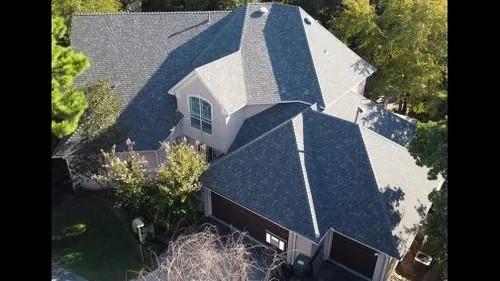
Results Roofing
2828 E Trinity Mls Rd Ste 212, Carrollton, TX 75006
Results Roofing is a roofing contractor based in Dallas, TX, serving the Dallas-Fort Worth area as well as Houston, Austin, San Antonio, and Temple. They provide residential roofing services including roof installation, repair, replacement, maintenance, and emergency storm damage response. The company offers expertise in various roofing types, including metal roofing systems and standing seam metal roofs. Results Roofing supports clients throughout the roofing process, including roof inspections and working with insurance adjusters. They have built long-term client relationships through clear communication and transparency.
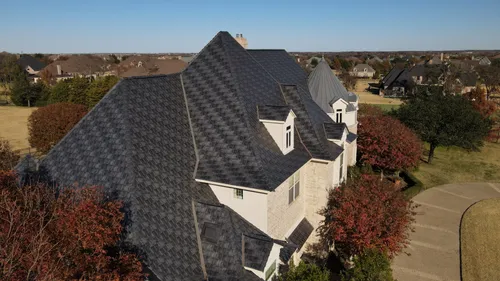
Priority Roofing
1420 W Mockingbird Ln Suite 540, Dallas, TX 75247
Priority Roofing is a roofing company based in Dallas, TX, offering residential and commercial roofing services. They provide roof inspections, repairs, replacements, and specialize in metal roofing options such as standing seam metal roofs. With over seven years of experience, Priority Roofing serves Dallas and surrounding communities including Frisco, Plano, Irving, and Garland. The company also offers 24/7 emergency roof repairs and full insurance claim assistance following storm damage.
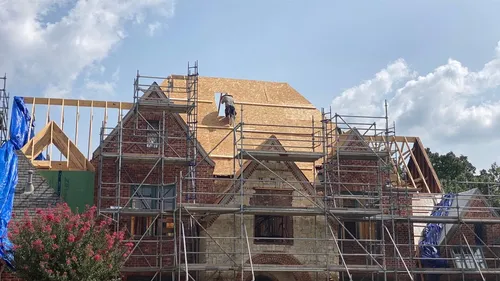
T Rock Roofing & Contracting
3001 Long Prairie Rd Suite 100, Flower Mound, TX 75022
T Rock Roofing & Contracting is a roofing company serving Dallas, TX, specializing in roof installation, replacement, repair, leak repair, inspection, and certification. With 65 years of experience in both commercial and residential roofing, they offer services including hail damage restoration, storm damage repair, and fire damage restoration. The company emphasizes a thorough approach with a final inspection to ensure safety and offers ongoing support for completed work. They also maintain multiple office locations throughout the Dallas/Fort Worth Metroplex to stay accessible to clients.
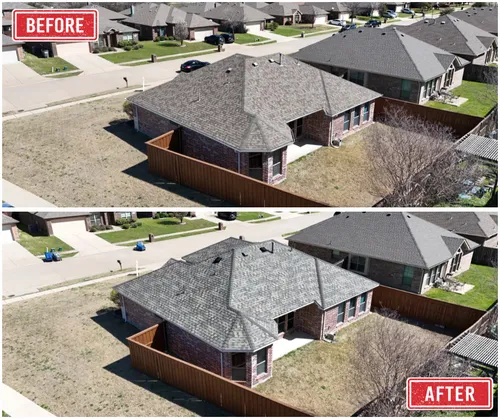
Touchstone Roofing, LLC
6160 Warren Pkwy #100, Frisco, TX 75034
Touchstone Roofing, LLC is a family- and veteran-owned roofing contractor based in Dallas, TX. They provide residential and commercial roofing services including installation, replacement, repairs, inspections, and certification. As a Certified GAF Master Elite Roofing Contractor, they specialize in storm damage restoration and insurance claims. The company offers emergency repair services seven days a week and assigns a dedicated project manager to each job. Touchstone Roofing emphasizes integrity, quality, and value in their work and provides free roof inspections.
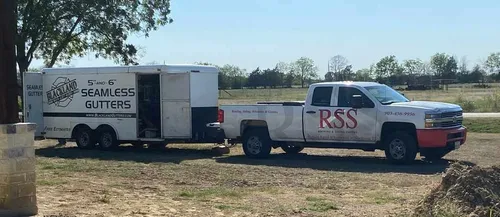
Roofing and Siding Smiths
2704 Stonewall St, Greenville, TX 75401
Roofing and Siding Smiths is a roofing and siding contractor based in McKinney, TX. They provide services including roof installation, replacement, roof leak repair, metal roofing with standing seam options, roof inspections, and roof certifications. The company also handles gutter installation and siding replacement, with experience in working on storm damage repairs and insurance claims. Roofing and Siding Smiths has a history of serving residential and commercial customers in Northeast Texas, with a focus on quality workmanship and attention to detail.
Why McKinney Homes Need Regular Roof Evaluations
The climate in Collin County demands vigilance. Hailstorms can batter shingles and metal panels, leading to immediate cracks or subtle granule loss that weakens the roof's UV protection 1. High winds can lift shingles and compromise the sealant around vents and pipes. Perhaps less obvious but equally damaging is the relentless Texas heat, which can accelerate the aging of asphalt shingles, dry out sealants, and cause thermal expansion that leads to nail pops 2. Without proper attic ventilation-a key component of a good inspection-trapped heat can bake your roof decking and drastically increase your cooling costs. Regular professional assessments, recommended at least biannually in spring and fall and always after a major storm, are crucial for preserving your home's integrity and value.
The Step-by-Step Roof Inspection Process
A quality roof examination in McKinney follows a meticulous process designed to leave no stone-or shingle-unturned. Reputable inspectors will systematically evaluate both the exterior and interior of your roofing system.
1. Ground and Perimeter Assessment The inspection begins from the ground. The professional will walk around your home, using binoculars to document the overall roof condition with photos. This initial view helps identify sagging roof lines, damaged fascia or soffit boards, the condition of gutters and downspouts, and any obvious issues with chimney flashing or siding.
2. Exterior Surface Examination Next, the inspector will safely use a ladder or, increasingly, a drone to get a close-up view of the roof surface. For asphalt shingle roofs, which are common in McKinney, they will look for specific problems: curling or buckling edges, cracked or missing shingles, bald spots where protective granules have worn away, and any nails that have backed out due to thermal cycles. They will pay special attention to the "flashings"-the metal pieces sealing joints at walls, chimneys, vents, and pipes-checking for rust, gaps, or lifted sealant that could allow water entry.
3. Interior Attic Investigation A truly thorough inspection must include the attic. The inspector will check for signs of water intrusion, such as stains on the wooden decking or moisture on insulation. They will also look for "daylight" peeking through the roof boards, indicating holes or gaps. Critically, they will assess ventilation, ensuring soffit, ridge, and gable vents are clear and functioning to allow hot air to escape, which is vital for roof longevity in our climate.
4. Documentation and Reporting Finally, a professional will provide you with a detailed report. This should include photographs of any issues, clear notes on necessary repairs, information on remaining warranty coverage, and guidance on whether permits are needed for work. This documentation is invaluable for planning maintenance, negotiating with insurance adjusters after a storm, or simply for your personal home records 3.
Find the perfect roof inspectors for your needs
Get personalized recommendations and expert advice
Key Checklist for McKinney Roof Conditions
When an inspector evaluates your roof, they are guided by a checklist tailored to local threats. Here's what they focus on for the most common roofing materials in the area:
- Shingle Health: Looking for granule loss (often found as grit in gutters and downspouts), cracking from hail impact, and wind damage at the edges.
- Flashing Integrity: Scrutinizing the metal around chimneys, roof-to-wall intersections, and vent pipes for separation, corrosion, or failed sealant.
- Ventilation Sufficiency: Verifying that intake (soffit) and exhaust (ridge/static) vents are unblocked and adequate in size to prevent heat and moisture buildup in the attic.
- Gutter System Function: Checking for blockages, proper slope, secure attachment to the fascia, and ensuring downspouts direct water away from the foundation 4.
- Metal Roof Specifics: For metal roofs, inspectors look for loose fasteners, punctures from hail, and the condition of seams and sealants, which can degrade under UV exposure.
Understanding Roof Inspection Costs
The price of a roof inspection in McKinney can vary based on the roof's size, pitch, complexity, and the depth of the evaluation required. Some contractors may offer a basic visual check for free, often as part of a maintenance plan or when quoting for a repair 5 6.
For a detailed, comprehensive inspection that includes a full exterior walk-over, attic access, and a detailed written report-especially one requested after a storm or for real estate transactions-homeowners can typically expect to invest between $100 and $400+ 7 8 9. More complex roofs with multiple levels, steep pitches, or numerous penetrations may cost more. This fee is a wise investment, as it provides a clear, professional picture of your roof's health and can save thousands by catching problems early.
When to Schedule a Roof Assessment
Proactive scheduling is key. Mark your calendar for these essential times:
- Biannually: Aim for inspections in the spring (after winter storms) and fall (before winter sets in).
- After Severe Weather: Always schedule an inspection after any event with hail, sustained high winds, or heavy, driving rain.
- Before Major Seasons: Prior to the intense summer heat or the winter freeze.
- For Transactions: When buying or selling a home.
- Routine Vigilance: If you notice granules in your gutters, a sudden increase in energy bills, or any signs of a leak indoors.
Frequently asked questions
Sources
Footnotes
-
What Should I Know About Getting a Roof Inspection? - https://www.billraganroofing.com/blog/what-know-about-getting-roof-inspection ↩
-
Roof Inspection vs. 4-Point Inspection - RoofCrafters - https://www.roof-crafters.com/learn/roof-inspection-vs-4-point-inspection ↩
-
5 Tips for a Roof Inspection | AHS - American Home Shield - https://www.ahs.com/home-matters/repair-maintenance/diy-tips-roof-inspection/ ↩
-
Property Maintenance Self-Inspection Checklist - McKinney, TX - https://www.mckinneytexas.org/DocumentCenter/View/18927/McKinney-IPMC-Tri-fold ↩
-
Roof Maintenance McKinney TX Plan | Prevent Leaks - https://firemansroofingtexas.com/roof-maintenance-mckinney-tx/ ↩
-
Roof Inspection Cost: Is It Worth It - https://theroofdoctors.net/roof-inspection-cost/ ↩
-
Roof Inspection DFW: The Complete Checklist for Homeowners - https://www.shepherdroofingrenovations.com/blog/roof-inspection-dfw-homeowners/ ↩
-
Roof Inspection Cost: Clear Choice Roofing Guide (2025) - https://www.clearchoiceroofingatx.com/blog/how-much-is-a-roof-inspection ↩
-
What to expect during a roof inspection - Liberty+ - Liberty Mutual - https://libertyplus.libertymutual.com/article/what-to-expect-during-a-roof-inspection ↩