
Find the Best Roof Inspectors for Your Business
No obligation • Fast responses • Nationwide coverage
Why you can trust Roof Lists
Roof Lists is a leading U.S. resource for finding and comparing roofing contractors. Our team researches providers, reviews customer feedback, and publishes clear, unbiased information. Companies cannot pay to change rankings or our editorial opinions.
Search providers near you
Top Roof Inspectors in Richardson, Texas Ranked
A professional roof inspection is a critical evaluation of your home's first line of defense against the elements. In Richardson, where intense sun, hail, and wind are common, these assessments are essential for identifying hidden damage, preventing costly repairs, and ensuring your roof's longevity. This guide will help you understand what a thorough roof evaluation entails, what local inspectors look for, and how to find qualified professionals to assess your property.
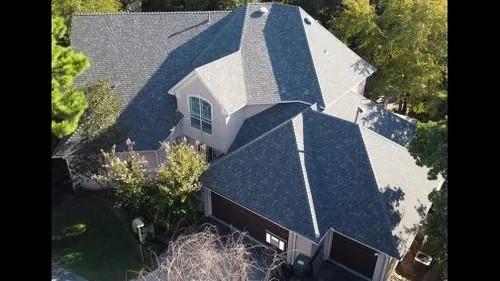
Results Roofing
2828 E Trinity Mls Rd Ste 212, Carrollton, TX 75006
Results Roofing is a roofing contractor based in Dallas, TX, serving the Dallas-Fort Worth area as well as Houston, Austin, San Antonio, and Temple. They provide residential roofing services including roof installation, repair, replacement, maintenance, and emergency storm damage response. The company offers expertise in various roofing types, including metal roofing systems and standing seam metal roofs. Results Roofing supports clients throughout the roofing process, including roof inspections and working with insurance adjusters. They have built long-term client relationships through clear communication and transparency.
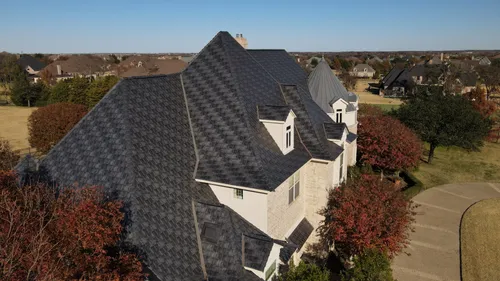
Priority Roofing
1420 W Mockingbird Ln Suite 540, Dallas, TX 75247
Priority Roofing is a roofing company based in Dallas, TX, offering residential and commercial roofing services. They provide roof inspections, repairs, replacements, and specialize in metal roofing options such as standing seam metal roofs. With over seven years of experience, Priority Roofing serves Dallas and surrounding communities including Frisco, Plano, Irving, and Garland. The company also offers 24/7 emergency roof repairs and full insurance claim assistance following storm damage.
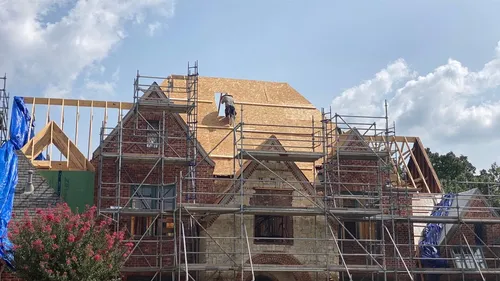
T Rock Roofing & Contracting
3001 Long Prairie Rd Suite 100, Flower Mound, TX 75022
T Rock Roofing & Contracting is a roofing company serving Dallas, TX, specializing in roof installation, replacement, repair, leak repair, inspection, and certification. With 65 years of experience in both commercial and residential roofing, they offer services including hail damage restoration, storm damage repair, and fire damage restoration. The company emphasizes a thorough approach with a final inspection to ensure safety and offers ongoing support for completed work. They also maintain multiple office locations throughout the Dallas/Fort Worth Metroplex to stay accessible to clients.
Touchstone Roofing, LLC
6160 Warren Pkwy #100, Frisco, TX 75034
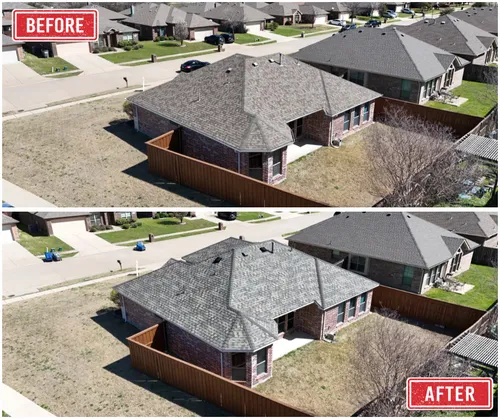
Touchstone Roofing, LLC is a family- and veteran-owned roofing contractor based in Dallas, TX. They provide residential and commercial roofing services including installation, replacement, repairs, inspections, and certification. As a Certified GAF Master Elite Roofing Contractor, they specialize in storm damage restoration and insurance claims. The company offers emergency repair services seven days a week and assigns a dedicated project manager to each job. Touchstone Roofing emphasizes integrity, quality, and value in their work and provides free roof inspections.
Hail King Professional Roofing
1900 Industrial Blvd Ste 200, Colleyville, TX 76034
Hail King Professional Roofing is a roofing contractor serving Irving, TX, and the broader Dallas-Fort Worth and East Texas areas. They provide a wide range of services including roof installation, roof replacement, roof leak repair, roof inspections, and certifications. The company also offers specialized capabilities such as metal roofing with standing seam systems, gutter and downspout installation, solar panel detach and reset, exterior painting, siding, and fencing solutions. With over 30 years of experience, Hail King Professional Roofing focuses on protecting properties from weather damage and improving exterior durability. They operate seven days a week and respond within 24 hours, providing comprehensive roofing and exterior services to residential and commercial clients.
Why Richardson Homes Need Regular Roof Evaluations
The climate in the Dallas-Fort Worth metroplex, including Richardson, presents unique challenges for residential roofing. Prolonged exposure to extreme summer heat can cause shingles to curl, crack, and lose their protective granules. Spring and fall often bring severe thunderstorms with hail, which can cause immediate, visible damage as well as subtle bruising that weakens shingles over time. High winds can lift shingles and compromise flashing. Regular roof assessments are not just about fixing problems; they are a proactive measure to manage the cumulative wear from these weather patterns, helping to extend your roof's service life and protect your home's interior 1.
What a Comprehensive Roof Check Covers
A complete roof examination involves a multi-point inspection of both the exterior and interior components of your roofing system. Professional inspectors follow a detailed checklist to ensure nothing is missed.
Exterior Inspection: From the Ground Up
The evaluation typically begins with a ground-level visual assessment. The inspector will note the overall roof slope, look for signs of sagging, and check the condition of gutters and downspouts for proper alignment and potential clogs. The next, and most crucial, step is a hands-on inspection on the roof itself (where safe to do so). Here, the focus includes:
- Shingle Integrity: Checking for curling, cracking, blistering, or missing shingles. A key indicator of aging is significant granule loss, which leaves the asphalt mat exposed to UV rays 2.
- Flashing Condition: Examining the metal strips around chimneys, vents, skylights, and in roof valleys for rust, corrosion, or separation. Faulty flashing is a leading cause of leaks.
- Roof Penetrations: Inspecting pipe boots, vent collars, and other seals for cracking or deterioration.
- Structural Components: Looking at the condition of ridge caps, drip edges, and soffits and fascia for signs of dry rot or damage.
Interior & Attic Investigation
A truly thorough roof analysis must include an attic inspection. This is where hidden problems often reveal themselves. The inspector will look for:
- Moisture Intrusion: Stains, wet insulation, or active dripping, which indicate a breach in the roof membrane.
- Ventilation: Assessing intake (soffit) and exhaust (ridge or gable) vents to ensure proper airflow. Poor ventilation traps heat and moisture, accelerating roof decay and increasing energy costs 3.
- Structural Soundness: Checking the roof deck (sheathing) for any signs of sagging, rot, or soft spots.
- Light Leaks: Any visible daylight coming through the roof boards is a clear sign of holes or gaps 4.
Understanding Inspection Types and Costs in Richardson
Not all roof inspections are the same. The scope and price can vary based on your needs-whether it's routine maintenance, a pre-purchase evaluation, or documentation for an insurance claim.
- Basic Visual Inspection: Often offered for free or at a low cost (typically $150-$250) by roofing companies as part of a repair estimate. This usually involves a visual check from the ground and possibly a brief on-roof look to identify obvious issues.
- Detailed Formal Inspection & Report: This is a comprehensive evaluation, usually costing between $250 and $400+ in the Richardson area 5 6. It includes the full interior and exterior checklist, detailed photographs, measurements, and a written report that prioritizes findings and provides repair estimates. This type of report is invaluable for real estate transactions, insurance documentation, or creating a long-term maintenance plan 7 8.
Find the perfect roof inspectors for your needs
Get personalized recommendations and expert advice
The Local Inspector's Checklist for DFW Weather Damage
Given the regional climate, Richardson roof inspectors pay special attention to weather-specific damage. After a hail event, they meticulously check for bruising on shingles (which may not be immediately visible) and dented or cracked flashing 9. During routine evaluations, the relentless Texas sun is a primary concern, with inspectors looking for accelerated granule loss and thermal cracking. They also prioritize assessing the attic's thermal and moisture dynamics, as proper ventilation is critical to mitigating heat-related wear. Understanding these local focuses can help you ask the right questions when hiring a professional.
Key Benefits of a Professional Roof Assessment
Scheduling a professional roof evaluation offers several advantages beyond simply finding leaks:
- Preventative Maintenance: Identifying and addressing minor issues like a cracked pipe boot or a small section of damaged flashing can prevent major interior water damage and mold growth.
- Insurance and Real Estate Support: A detailed inspection report provides documented proof of your roof's condition, which is essential for filing insurance claims after a storm or during a home sale/purchase.
- Informed Decision-Making: The report helps you understand the severity and urgency of any needed repairs, allowing you to budget effectively and avoid being pressured into unnecessary immediate replacements.
- Safety Assurance: Professionals are trained to safely navigate roofs and identify structural weaknesses that could pose a risk to homeowners.
Red Flags to Watch For Between Inspections
While professional evaluations are essential, homeowners should also be aware of signs that warrant scheduling an inspection. Be alert for:
- Interior Signs: Water stains on ceilings or walls, peeling paint near rooflines, or mold growth in the attic.
- Exterior Clues: An accumulation of granules in gutters (which looks like coarse sand), shingles that are visibly curling or buckling, or sections of flashing that appear loose or rusted.
- After a Storm: Any missing shingles, dented gutters, or debris on the roof after high winds or hail.
Recognizing these red flags allows you to act promptly, potentially limiting the extent of damage 10.
Frequently asked questions
Sources
Footnotes
-
What is a roof inspection? - https://txdroofing.com/what-is-a-roof-inspection/ ↩
-
Roof Inspection Checklist for Residential Shingle Roofs ... - https://www.iko.com/blog/roof-inspection-checklist/ ↩
-
Residential Roof Inspection Checklist: Interior & Exterior - https://championroofing.com/blog/residential-roof-inspection-checklist ↩
-
A Handy Roof Inspection Checklist For New Homeowners - https://roofmedic.com/blog/roof-inspection-checklist/ ↩
-
How Much Does A Roof Inspection Cost In Texas? - https://mandmroofingtexas.com/blog/roof-inspection-cost/ ↩
-
Roof Inspection Cost in Texas - Find Rates Near TX Today - https://korrect.net/how-much-does-a-roof-inspection-cost-in-texas/ ↩
-
Roof Inspection Process Explained: Step-by-Step Guide - https://bumbleroofing.com/greater-dallas/blog/roof-inspection-what-to-expect ↩
-
Roof Inspection vs. 4-Point Inspection - RoofCrafters - https://www.roof-crafters.com/learn/roof-inspection-vs-4-point-inspection ↩
-
Roof Inspection DFW: The Complete Checklist for Homeowners - https://www.shepherdroofingrenovations.com/blog/roof-inspection-dfw-homeowners/ ↩
-
7 Smart Roof Inspection Red Flags to Avoid - https://inthelightroofing.com/smart-roof-inspection-red-flags-to-avoid/ ↩