Find the Best Roof Replacement Companies for Your Business
No obligation • Fast responses • Nationwide coverage

Why you can trust Roof Lists
Roof Lists is a leading U.S. resource for finding and comparing roofing contractors. Our team researches providers, reviews customer feedback, and publishes clear, unbiased information. Companies cannot pay to change rankings or our editorial opinions.
Search providers near you
Top Roof Replacement Companies in Laredo, Texas Ranked
A new roof is one of the most significant investments you can make in your Laredo home, protecting your family and property from the region's intense sun, high winds, and sudden storms. Whether your current roof is aging, damaged, or you're simply looking to upgrade for better energy efficiency, understanding your options for a full roof installation is crucial. This guide will help you navigate material choices, costs, timelines, and key considerations specific to the Laredo climate, empowering you to make an informed decision for your home.
M&T Texas Unlimited LLC
Laredo, TX
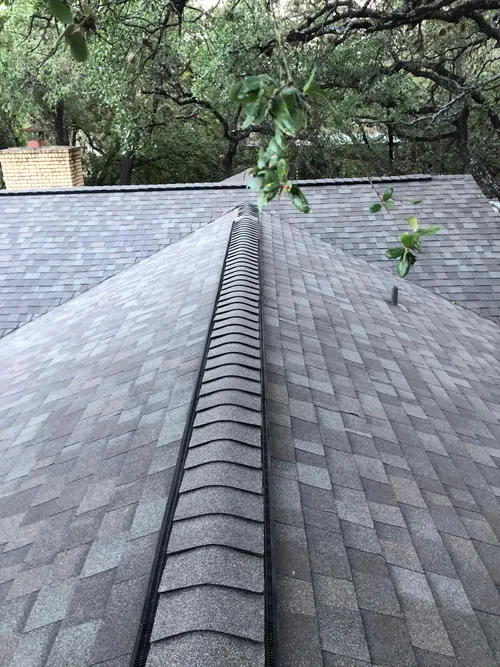
M&T Texas Unlimited LLC is a construction company based in Laredo, TX, specializing in roofing installation, replacement, and roof leak repairs. Serving a 30-mile radius around Laredo, they handle both residential and commercial projects with attention to detail and local expertise. Their roofing services include assessing structural integrity and installing durable materials suited for local weather conditions to ensure a solid, protective roof. Established in 2023, M&T Texas Unlimited LLC emphasizes clear communication and quality workmanship throughout each project.
Roofing Aftermath Solutions Inc.
5415 Springfield Ave Suite 4A, Laredo, TX 78041
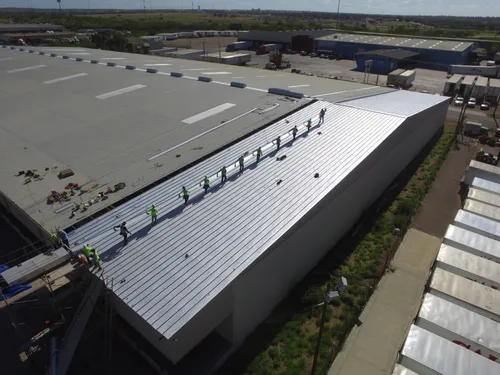
Roofing Aftermath Solutions Inc. is a roofing contractor based in Laredo, TX, providing residential and commercial roofing services. They specialize in roof installation, replacement, repair, and metal roofing, including standing seam metal roofs. With over 30 years of combined experience, the team offers expertise in various roofing materials such as asphalt shingles, tile roofing, and sheet metal fabrication. Roofing Aftermath Solutions Inc. is fully licensed and insured, delivering workmanship backed by warranties to ensure long-lasting results.
HBC Roofing
2319 San Dario Ave, Laredo, TX 78040
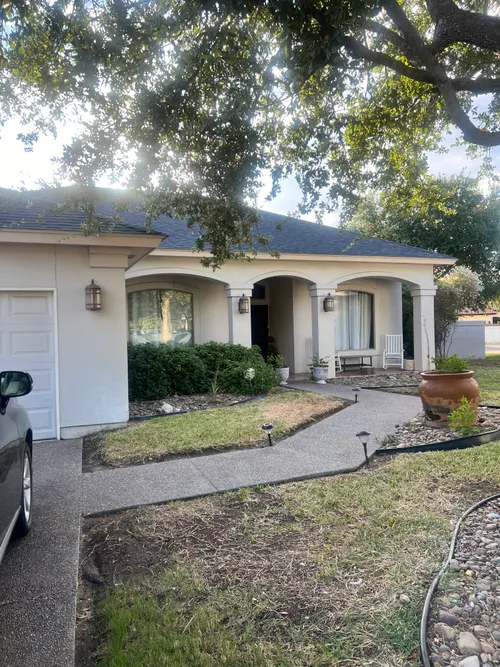
HBC Roofing is a locally owned roofing company serving Laredo, TX, and surrounding communities. They specialize in roof installations, repairs, leak repairs, and roof inspections, including roof certification. The company emphasizes proper attic ventilation to extend roof life and offers a workmanship warranty on new installations. HBC Roofing also recycles roofing debris to support environmental sustainability. With a strong focus on customer service and personal attention, they handle all roof components such as flashings and pipe boots. The business has built a reputation through customer reviews and manages insurance claims to assist clients throughout the process.
Sunset Roofers
1701 Jacaman Rd Suite RB2B, Laredo, TX 78041
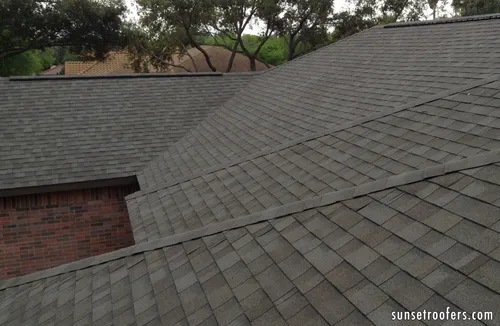
Sunset Roofers is a local roofing company based in Laredo, TX, offering a range of services including roof installation, replacement, repair, leak repair, inspection, and certification. They serve both residential and commercial clients in the Laredo area. The company is recognized as an Owens Corning Preferred Contractor and handles insurance claims to assist customers throughout the roofing process. Sunset Roofers is experienced in maintaining specific roof types such as Lifetile roofs, providing cleaning and fascia/soffit repairs to extend roof lifespan. They manage all project aspects from evaluation and permits to cleanup and final documentation. The business has earned positive reviews for professionalism and quality workmanship.
J M Flores Roofing & Construction, Inc
5805 US-59, Laredo, TX 78043
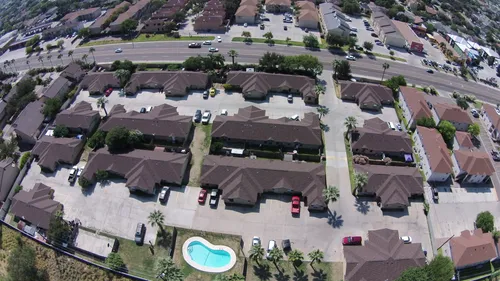
J M Flores Roofing & Construction, Inc is a roofing company based in Laredo, TX, serving the local community since 1963. They provide roofing installation, replacement, repair, leak repair, roof inspection, and certification services. The company is known for using high-quality materials and holds multiple roofing certifications. They offer comprehensive roof replacement and repair services, including storm damage assistance, backed by industry-leading warranties. With over 60 years of experience, J M Flores Roofing emphasizes ethical and professional workmanship.
Popular Roofing Materials for Laredo Homes
Choosing the right roofing material is the first and most impactful decision in the replacement process. In Laredo, the selection is driven by a need for durability against extreme heat, resilience in high winds, and often, energy efficiency to combat cooling costs. The most popular residential roofing materials are chosen for their balance of affordability, durability, and performance in the local climate.
Asphalt Shingles
As the most common and affordable option in Texas, asphalt shingles are a go-to for many homeowners. Standard 3-tab shingles offer a shorter lifespan of 15-20 years, while upgraded architectural or designer shingles provide better durability, improved hail resistance, and a longer life expectancy of 20-30 years. Their popularity stems from a lower initial cost and a wide variety of styles and colors. However, it's important to note that prolonged high temperatures and UV exposure in Laredo can cause asphalt shingles to crack, warp, and age faster than in milder climates. 1
Metal Roofing
Metal roofing is increasingly popular in South Texas due to its exceptional longevity (40-70 years) and superior energy efficiency. 2 Metal roofs excel at reflecting sunlight, which can directly help reduce home cooling costs-a significant benefit in Laredo. 3 They are also highly resistant to fire, wind, and hail, though it's worth noting that hail can cause cosmetic dents. 4 For homeowners looking for a long-term, low-maintenance, and energy-efficient solution, a metal roof installation is a compelling choice.
Tile Roofing (Clay or Concrete)
A premium option that complements common Spanish or Mediterranean architectural styles in the region, tile roofing offers remarkable durability with a lifespan of 50-100 years. 5 Clay and concrete tiles are naturally heat-resistant and perform well in Laredo's sun. 6 The primary considerations are weight and cost; tile roofs are heavier and may require additional structural support, and they represent a higher initial investment. 7 For the right home, they provide unparalleled longevity and aesthetic appeal.
Flat Roof Systems (TPO)
For modern homes or additions with low-slope or flat roofs, Thermoplastic Polyolefin (TPO) membrane systems are a common choice. These single-ply membranes are highly reflective, making them energy-efficient for managing Laredo's intense heat. They are a specialized roofing solution that requires professional installation but are excellent for specific architectural designs.
How Laredo's Climate Impacts Your Roof Choice
Laredo's unique climate isn't just a talking point-it's the primary factor that will determine how long your new roof lasts and how well it performs. The combination of extreme heat, high UV exposure, and severe storms puts significant stress on roofing materials. 8
- Extreme Heat and UV Exposure: Prolonged high temperatures are the norm, accelerating the aging process of many materials. This makes heat-reflective properties a key feature to look for. Materials like metal, light-colored tiles, and reflective coatings can improve energy efficiency by keeping your attic and home cooler.
- High Winds and Hail: Texas is prone to sudden, severe storms that can bring damaging winds and hail. When selecting a new roof, prioritize products with high wind resistance ratings (often 110 mph or higher) and, if possible, a Class 4 impact resistance rating for hail. 9 10 This is not just about durability; it can also affect your home insurance premiums.
- Humidity and Moisture: While Laredo is arid, periods of high humidity can occur. Poor attic ventilation can trap moist air, leading to mold, mildew, and wood rot over time. A proper roof replacement should always include an assessment and upgrade of ventilation systems to protect your investment. 11
What to Expect: Roof Replacement Timelines in Laredo
Understanding the project timeline helps with planning and sets realistic expectations. Most residential roof replacements take between 1 to 3 days for an average-sized home with asphalt shingles. 12 However, several factors specific to your project can extend this timeline.
Material Type: A simple asphalt shingle job is the fastest. Tile, slate, or complex metal roofs can take 1-2 weeks due to their weight and specialized installation requirements. 13 Roof Complexity: Steep pitches, multiple roof levels, numerous chimneys, skylights, or intricate architectural details require more time and careful safety precautions. 14 Weather Delays: This is a major variable in Texas. Rain, high winds, or even extreme heat can pause work for safety and quality reasons. 15 Structural Discoveries: Once the old roofing is torn off, underlying issues like rotten or damaged wood decking may be revealed. Repairing this decking is essential but adds time to the project. 16
A reputable contractor will provide a detailed timeline after a thorough inspection, factoring in these variables and keeping you informed of any changes.
Find the perfect roof replacement companies for your needs
Get personalized recommendations and expert advice
Understanding Roof Replacement Costs in Laredo
The cost of a new roof is highly variable, influenced by material choice, the size and pitch of your roof, local labor rates, and any unexpected repairs discovered during the project. 17 18 It's common for homeowners dealing with storm damage to pay only their insurance deductible, which is typically 1-2% of the home's insured value, with insurance covering the rest. 19 18
Below are typical price ranges for a new or replacement roof on an average-sized residential home in the Laredo area:
- Asphalt Shingles: $7,500 - $15,000
- Metal Roofing: $18,000 - $28,000
- Tile/Slate Roofing: $30,000 - $60,000+
These figures are estimates, and the final price for your specific home can vary. The best way to get an accurate understanding of your investment is through a detailed, written estimate from a qualified local professional. 20 21
The Installation Process: From Inspection to Completion
A professional roof replacement is a multi-step process designed to ensure quality and longevity.
- Initial Inspection and Quote: A thorough inspection assesses the condition of your existing roof, decking, flashing, and ventilation. This is when measurements are taken and material options are discussed, leading to a detailed written proposal.
- Preparation and Material Delivery: Once you approve the quote, a start date is scheduled. Materials are delivered to your property, and the area around your home is prepared. This includes protecting landscaping, setting up dumpsters for old materials, and ensuring safe access for the crew.
- Tear-Off and Deck Inspection: The old roofing materials are completely removed, exposing the wood decking. This critical step allows for a full inspection of the deck's condition. Any soft, rotten, or damaged wood is replaced to create a solid foundation.
- Underlayment and Flashing Installation: A water-resistant or waterproof underlayment is rolled out over the decking. Critical areas like valleys, chimneys, vents, and walls are fortified with new metal flashing to prevent leaks.
- New Roof Installation: The primary roofing material (shingles, metal panels, tiles) is installed according to manufacturer specifications and local building codes. This is the most visible phase of the project.
- Clean-Up and Final Inspection: The job site is meticulously cleaned using magnets and rakes to remove all nails and debris. A final walk-through with the project manager ensures your satisfaction and that all work meets the agreed-upon standards.
Choosing a Qualified Roofing Contractor in Laredo
Your roof is only as good as the team that installs it. Here are key points to verify when selecting a contractor for your roof installation:
- Licensing and Insurance: Ensure the company is properly licensed to work in Texas and carries both liability insurance and workers' compensation. This protects you from potential liability.
- Local Experience and References: Choose a contractor familiar with Laredo's specific building codes and climate challenges. Ask for local references and examples of recent work.
- Warranties: Understand the warranties offered. This typically includes the manufacturer's warranty on materials and the contractor's workmanship warranty on the installation itself.
- Detailed, Written Contract: Never proceed on a verbal agreement. Your contract should detail the scope of work, materials (including brand, style, and color), payment schedule, start/end dates, and warranty information.
Frequently asked questions
Sources
Footnotes
-
Comprehensive Guide to Roof Replacement in Texas: Costs ... - https://reignroof.com/blog/roofing/comprehensive-guide-to-roof-replacement-in-texas-costs-codes-and-contractor-considerations/ ↩
-
Best Roof Type for Texas Homes - Falcon Roofing & Restoration - https://falconroofingtexas.com/blog/what-is-the-best-roof-type-for-texas-homes-and-what-lasts-the-longest/ ↩
-
Roofing Costs in Texas (2025) | Complete Cost Guide - https://guildtx.com/a-guide-to-roofing-costs/ ↩
-
Roof Types In Texas - Premiere Roofing - https://premiereroofing.net/roof-types-in-texas/ ↩
-
Exploring the Best Roof Types in Texas for Your Home - https://houstonsuburb.com/real-estate-blog/exploring-the-best-roof-types-in-texas-for-your-home/ ↩
-
3 Roof Types in Texas - https://bondocroofing.com/3-roof-types-in-texas/ ↩
-
Types of Residential Roofing Materials | Complete Guide - https://roofinglaredo.net/residential-roofing-types/ ↩
-
The Impact of Texas Weather and Climate on Roofs - https://waltonroofing.com/weathering-the-storm-the-impact-of-texas-weather-and-climate-on-roofs/ ↩
-
Questions to Ask Your Contractor BEFORE Roofing - https://www.tdi.texas.gov/wind/faqroof.html ↩
-
How Long Will My Roof Actually Last in Texas? - https://amproofing.com/how-long-will-my-roof-actually-last-in-texas/ ↩
-
Ultimate Guide: Preparing Your Roof for Texas Weather Year-Round - https://j9roofing.com/roof-maintenance-texas/ ↩
-
What Texas Homeowners Should Expect Start to Finish - https://www.suntexroofs.com/insights/your-complete-roof-replacement-guide-what-texas-homeowners-should-expect-start-to-finish ↩
-
How Long Does Roof Replacement Take In 2025? Complete ... - https://foxhavenroof.com/how-long-does-roof-replacement-take-2025-timeline-guide/ ↩
-
How Long Does a Typical Residential Roof Replacement Take? - https://mybellaroof.com/how-long-does-a-typical-residential-roof-replacement-take/ ↩
-
Average Roof Replacement Time: 7 Key Facts for 2025 Success - https://goliniroofing.com/average-roof-replacement-time/ ↩
-
How Long Does It Take to Replace a Roof in Texas? - https://callmyroofpro.com/how-long-does-it-take-to-replace-a-roof-in-texas/ ↩
-
Roof Replacement Cost: What To Expect In 2025 - M&M Roofing - https://mandmroofingtexas.com/blog/roof-replacement-cost/ ↩
-
Average Cost to Replace a Roof in 2025 | Price Guide - https://www.mallardroofing.com/what-is-the-average-cost-to-replace-a-roof-2025/ ↩ ↩2
-
Texas Roof Replacement Costs 2025 - https://www.handnailroofing.com/texas-roof-replacement-costs-2025/ ↩
-
Best Roof Types for Texas - LOA Construction - https://www.loaconstruction.com/blog/best-roof-types-for-texas/ ↩
-
2025 Roof Replacement Cost Guide for Southeast Texas - https://southernroofing.solutions/2025/05/13/2025-roof-replacement-cost-southeast-texas/ ↩