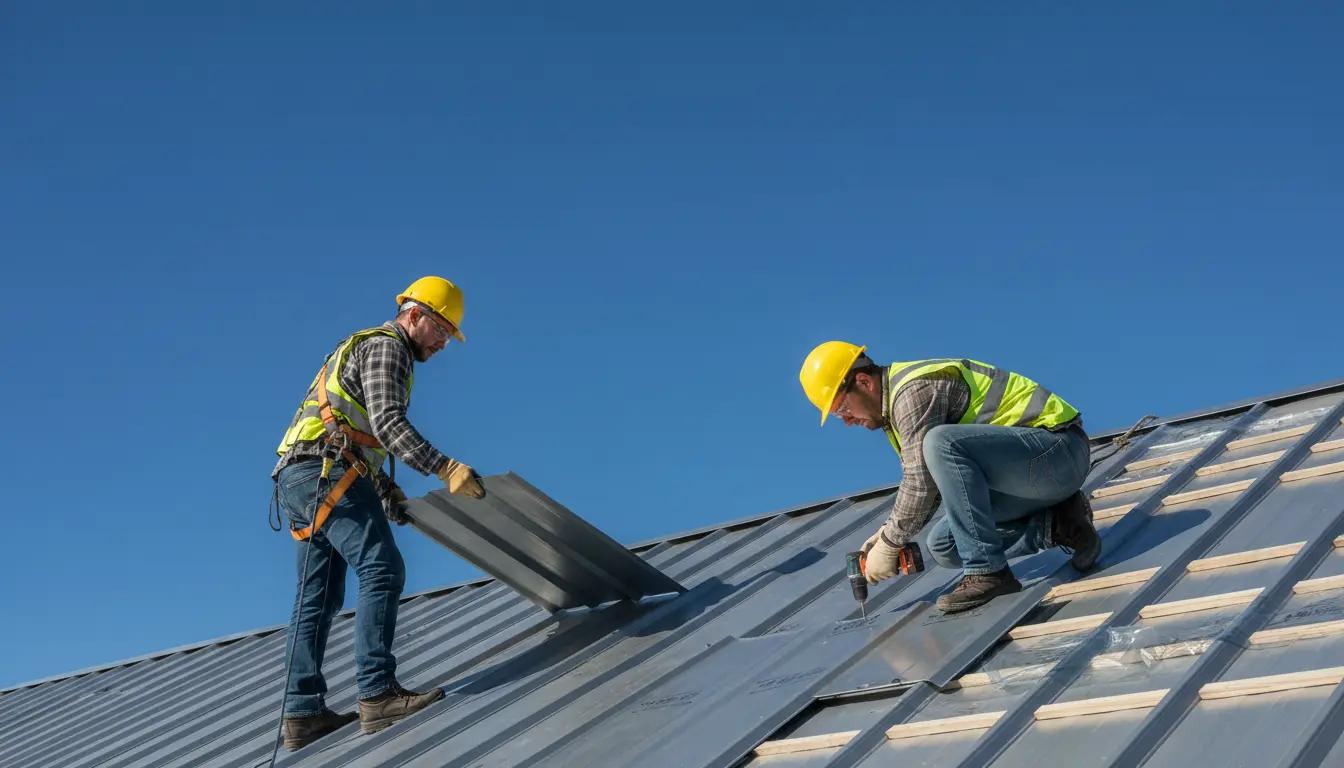
Find the Best Roof Replacement Companies for Your Business
No obligation • Fast responses • Nationwide coverage

Why you can trust Roof Lists
Roof Lists is a leading U.S. resource for finding and comparing roofing contractors. Our team researches providers, reviews customer feedback, and publishes clear, unbiased information. Companies cannot pay to change rankings or our editorial opinions.
Search providers near you
Top Roof Replacement Companies in West Palm Beach, Florida Ranked
A new roof is one of the most significant investments you can make in your West Palm Beach home. It's not just about aesthetics; it's your primary defense against Florida's intense sun, torrential rains, and hurricane-force winds. Choosing the right roofing system and a qualified contractor is crucial for long-term protection, energy efficiency, and maintaining your home's value. This guide will help you understand your options, navigate local building codes, and make an informed decision for your roof installation project.
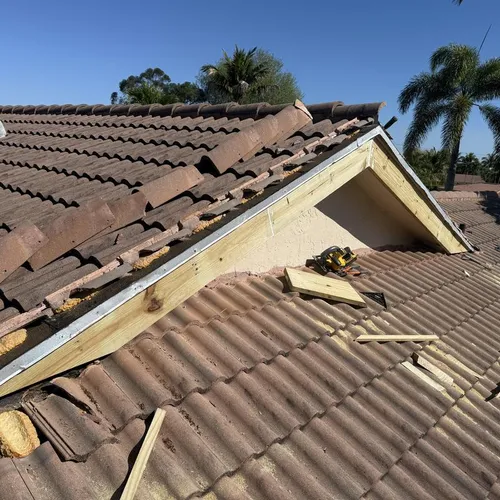
GH ROOFING CORP
4233 W Hillsboro Blvd, Coconut Creek, FL 33097
GH ROOFING CORP is a roofing contractor based in Fort Lauderdale, FL, offering services including roof installation, replacement, leak repair, metal roofing, and roof inspections. Their trained and certified roofers provide detailed roof condition reports to support insurance claims and ensure cost-effective solutions. The company is equipped to handle emergency roof repairs 24/7, addressing issues caused by storms or leaks promptly. With over 35 years of construction experience, GH ROOFING CORP combines expertise with customer-focused service.
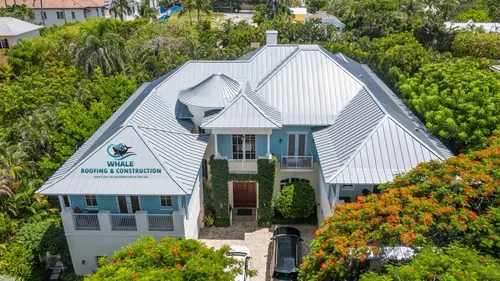
Whale Roofing & Construction
1825 Corporate Blvd NW #110, Boca Raton, FL 33431
Whale Roofing & Construction is a roofing contractor based in Fort Lauderdale, FL, serving Boca Raton and surrounding South Florida areas. They specialize in metal roofing, including standing seam metal roofs, as well as tile, shingle, and flat roofing installations. The company offers roof inspections, certifications, repairs, and emergency roofing services with a 24/7 rapid-response team. Whale Roofing emphasizes durable, weather-resistant roofing systems tailored for South Florida's climate, backed by expert craftsmanship and local experience.
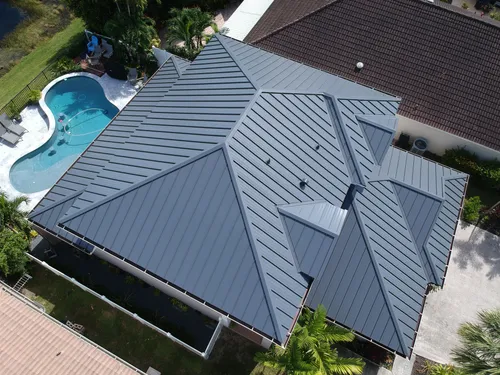
Mompie Construction Corp
3832 Park Ln, West Palm Beach, FL 33406
Mompie Construction Corp is a roofing contractor based in West Palm Beach, FL, specializing in roof installation, replacement, and repair services. They serve residential clients with expertise in metal roofing, including standing seam systems, as well as total roof replacements and leak repairs. The company operates two dedicated crews, one focused on full roof replacements and another on roof repairs. Customers have noted thorough communication and coordination, including permit handling and material ordering, as part of their service.
Builders of America
6906 151st Ct N, West Palm Beach, FL 33418
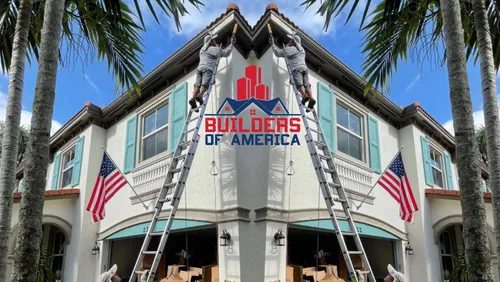
Builders of America is a roofing contractor based in West Palm Beach, FL, specializing in roof installation, replacement, repair, leak repair, inspection, and certification. They serve residential clients in the area, offering services that include detailed roof inspections and repairs for various roof types, such as barrel tile roofs. The company is known for providing thorough roof repairs supported by before-and-after photos and videos to document their work. Builders of America has established a reputation for reliable roof maintenance and restoration over multiple years of operation.
Monarch Roofing Inc
4629 N Dixie Hwy, Pompano Beach, FL 33064
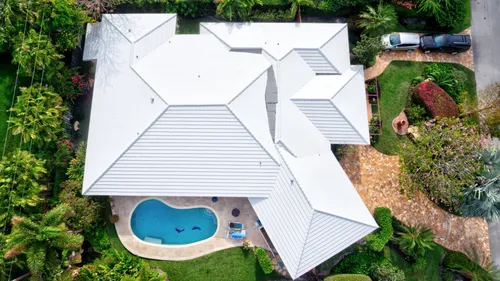
Monarch Roofing Inc is a roofing contractor based in Coral Springs, FL, serving residential and commercial clients throughout South Florida, including Broward and Palm Beach counties. Established in 2005, the company offers a wide range of roofing services such as roof installation, replacement, repair, leak repair, and roof inspections. They specialize in various roofing systems including metal roofing, tile roofing, and flat roofs, and provide certified inspections under programs like My Safe Florida Home to help protect homes from hurricanes and severe weather. Monarch Roofing Inc is a Florida State Certified Roofing Contractor and General Contractor, with over 14 years of experience in the industry.
Understanding West Palm Beach's Unique Roofing Demands
The climate in Palm Beach County presents specific challenges that directly influence roofing choices and regulations. The combination of relentless UV exposure, high humidity, and the annual threat of hurricanes means a roof here must be built to a higher standard than in many other parts of the country.
- Sun & Heat: Prolonged exposure to intense sunlight can cause materials to break down prematurely, leading to cracks, curling, and loss of protective granules. This makes UV-resistant materials and proper attic ventilation critical for longevity.
- Hurricanes & High Winds: The Florida Building Code (FBC) mandates specific wind-uplift resistance ratings based on your home's location. Roofing systems must be installed to withstand powerful winds, making the choice of material and the quality of the installation paramount.
- Insurance Considerations: The age and condition of your roof directly impact your homeowners insurance. Many insurers are hesitant to cover roofs over 15 years old, and some offer premium discounts for wind-resistant systems like metal roofing 1.
Navigating Florida's Critical Roofing Regulations
Before starting any roofing project, it's essential to understand two key state regulations that govern roof work in West Palm Beach.
The 25% Rule: A cornerstone of the Florida Building Code, this rule states that if a repair, replacement, or re-covering job affects more than 25% of the roof decking or structure in any 12-month period, the entire roofing system must be brought up to the current, full code requirements. This often means upgrading underlayment, fasteners, and edge metal to meet modern wind-mitigation standards. Always get a clear assessment from your contractor on whether your project triggers this rule.
Wind Mitigation & Code Compliance: All new installations and replacements must comply with the latest FBC, which includes specific protocols for sealing the roof deck, using approved nails or screws with precise patterns, and installing reinforced edge metal (drip edge). Compliance not only ensures safety but can also qualify you for significant insurance discounts 2.
Roofing Material Options for Your Home
Selecting the right material involves balancing budget, aesthetics, durability, and performance. Here are the most common options for West Palm Beach homes.
Asphalt Shingles
The most popular and cost-effective choice, modern asphalt shingles offer a good balance of performance and price.
- Cost: Typically $5-$9 per square foot installed, translating to roughly $10,000 - $18,000 for a 2,000 sq. ft. home.
- Lifespan: 20-25 years with proper maintenance 3.
- Pros: Wide variety of styles and colors, relatively quick installation, and lower initial cost.
- Cons: Less resilient in extreme hail or very high winds compared to metal or tile, and shorter lifespan under intense sun.
Metal Roofing
Increasingly favored for its superior storm performance and longevity, metal is an excellent long-term investment.
- Cost: Higher initial investment, generally $10-$14+ per square foot, with total project costs often ranging from $20,000 to $38,000+.
- Lifespan: 30-50 years or more.
- Pros: Exceptional wind and fire resistance, energy-efficient (reflects solar heat), lightweight, and often preferred by insurance companies. Standing seam metal roofs are particularly popular for their clean look and hidden fasteners 4.
- Cons: Higher upfront cost, and poor installation can lead to noise or leaking.
Tile Roofing (Clay or Concrete)
A classic Florida aesthetic, tile roofs offer unmatched durability and a distinctive look.
- Cost: The most expensive common option, ranging from $12-$25+ per square foot, with total projects often starting at $30,000 and exceeding $60,000 5 6 7.
- Lifespan: Extremely long-lasting, often 50-100 years.
- Pros: Superb wind, fire, and impact resistance, incredible longevity, and excellent thermal mass for energy efficiency.
- Cons: Very heavy (requiring a structurally sound frame), fragile to walk on, and requires specialized installation.
Synthetic Shingles
Made from engineered polymers, these shingles mimic the look of slate, cedar shake, or tile.
- Cost: Mid-range, typically $7-$14 per square foot 8 9.
- Lifespan: Can last up to 40 years or more.
- Pros: Good impact resistance, lighter weight than natural slate or tile, and often more affordable than the materials they emulate.
- Cons: A relatively newer product where long-term performance in Florida's climate is still being fully evaluated.
Find the perfect roof replacement companies for your needs
Get personalized recommendations and expert advice
The Roof Replacement Process: What to Expect
A full roof replacement is a major project. Understanding the timeline and key steps can help you prepare.
- Consultation & Estimate: A reputable contractor will perform a thorough inspection, discuss material options, explain code implications (like the 25% Rule), and provide a detailed, written estimate.
- Permitting: Your contractor should pull all required permits from the City of West Palm Beach or Palm Beach County, ensuring the project is documented and will be inspected.
- Preparation & Tear-Off: The old roofing materials are removed down to the decking. The deck is then inspected for rot or damage and repaired as needed.
- Installation: This includes laying down new underlayment, installing drip edge metal, and meticulously placing the new roofing material according to manufacturer specs and FBC.
- Cleanup & Inspection: The job site should be left clean, and a final municipal inspection should be passed to close the permit. You should receive documentation of the installation and warranty information.
Project Duration: A simple asphalt shingle replacement on a standard home may take a few days. More complex installations with metal or tile, or larger homes, can take several weeks 10.
Key Factors Influencing Your Total Cost
The price for a new roof in West Palm Beach is highly variable. Key factors include:
- Roof Size & Pitch: Larger and steeper roofs require more materials and labor.
- Material Choice: As outlined above, material is the single largest cost driver.
- Complexity: Multiple chimneys, skylights, valleys, and intricate architectural features add time and cost.
- Decking Repair: If the wooden roof deck is damaged by rot or leaks, repair costs will increase.
- Code Upgrades: If the 25% Rule is triggered, mandatory upgrades to meet current wind codes will add to the project cost 11 12.
- Removal of Existing Layers: Most local codes require a full tear-off to the deck; removing multiple layers adds labor.
Frequently asked questions
Sources
Footnotes
-
Average Roof Replacement Costs in West Palm Beach ... - https://starroofingcontractors.com/average-roof-replacement-costs-in-west-palm-beach-compared-to-state-averages/ ↩
-
2025 Roof Law in Florida: Key Changes & What to Do Now - https://floridaroofingandgutters.com/florida-roofing-law-changes-2025/ ↩
-
Average Roof Replacement Cost in Palm Beach County, Florida - https://pitchroofing.com/roofing/roof-replacement-cost-in-palm-beach-county/ ↩
-
Florida's 15-Year Roof Rule: Metal Roofing Facts - Gulf Coast Supply - https://gulfcoastsupply.com/the-truth-about-floridas-15-year-roof-rule-and-why-metal-roofs-still-reign-supreme/ ↩
-
Roofers in West Palm Beach Florida: Top 5 Expert Picks - https://aastroroofing.com/roofers-in-west-palm-beach-florida/ ↩
-
How Much Does a 2000 Square Foot Roof Cost - https://mooseroofing.com/how-much-does-a-2000-square-foot-roof-cost/ ↩
-
Average Roof Repair & Replacement Costs Palm Beach 2025 - https://palmbeachroofingexperts.com/average-roof-costs-palm-beach-2025/ ↩
-
Top 5 Metal Roofing Styles for West Palm Beach Homeowners - https://ametcometalroofinginc.com/top-5-metal-roofing-styles-for-west-palm-beach-homeowners/ ↩
-
What Is the Most Expensive Part of a New Roof? - https://www.cloudroofing.com/blog/what-is-the-most-expensive-part-of-a-new-roof ↩
-
How Much Does A 2000 Square Foot Roof Cost In Florida? - https://steadfastroofingfl.com/blog/how-much-does-a-2000-square-foot-roof-cost-in-florida/ ↩
-
Florida's 25% Roofing Rule - J.S. Held - https://www.jsheld.com/insights/articles/florida-building-code-25-rule-roofing ↩
-
How Much A Roof Replacement Will Cost You In West Palm ... - https://nealrfg.com/roof-replacement-cost-west-palm-beach ↩