Find the Best Roof Inspectors for Your Business
No obligation • Fast responses • Nationwide coverage
Why you can trust Roof Lists
Roof Lists is a leading U.S. resource for finding and comparing roofing contractors. Our team researches providers, reviews customer feedback, and publishes clear, unbiased information. Companies cannot pay to change rankings or our editorial opinions.
Search providers near you
Top Roof Inspectors in Kent, Washington Ranked
A professional roof inspection is a critical evaluation of your home's primary defense against the Pacific Northwest's persistent moisture. In Kent, where moss growth, seasonal storms, and humidity are constant factors, a thorough assessment can identify minor issues before they escalate into costly repairs or full roof replacements. This process involves a detailed examination of both the exterior components-like shingles, flashing, and gutters-and the interior attic space for signs of moisture intrusion, ventilation problems, and structural integrity. Understanding what a roof inspection entails, its typical cost, and the specific concerns for Kent homeowners empowers you to make informed decisions about maintaining one of your property's most valuable assets.
Titan Inspection Services - Maple Valley
26830 230th Pl SE, Maple Valley, WA 98038
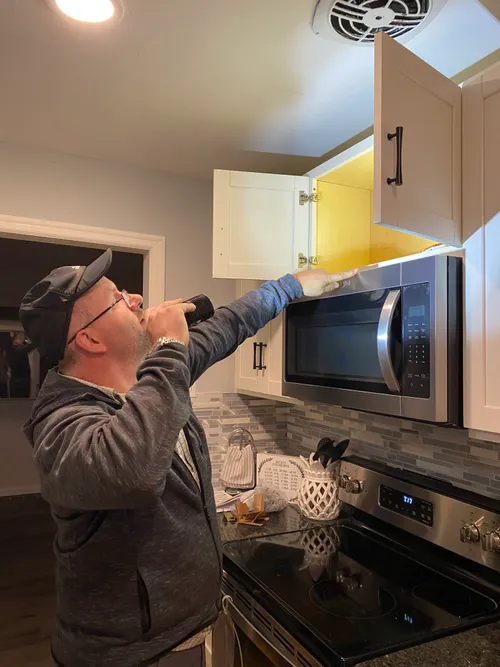
Titan Inspection Services - Maple Valley provides comprehensive roof inspections and roof certifications in Kent, WA. They offer detailed home and sewer inspections with thorough reports that include photos, videos, and clear explanations to help clients understand the condition of their property. The company is known for its knowledgeable inspectors who take time to answer questions and provide practical advice for maintenance and repairs. Titan Inspection Services has a strong reputation for professionalism and clear communication, with many clients appreciating their detailed and timely reports. They also provide sewer scope inspections as an add-on service. The company is led by owner Brian Dodds, who personally trains inspectors to maintain high standards. Titan Inspection Services is available for scheduling with flexible options, including weekend appointments.
Hanley Construction
250 Bethel Ave, Port Orchard, WA 98366
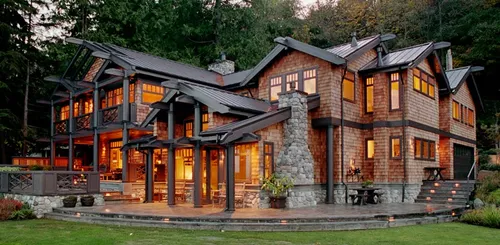
Hanley Construction is a family-owned roofing contractor serving Seattle, WA, and the greater Western Washington area. With over 40 years of experience, they provide residential and commercial roofing services including installation, replacement, repair, maintenance, and roof cleaning. Their expertise covers various roofing materials such as shingles, metal, copper, cedar shake, and flat-roof systems. Hanley Construction is known for skilled workmanship, using high-quality materials, and offering warranties backed by manufacturer certifications. They also specialize in gutter installation, repair, and gutter guard systems tailored for the Pacific Northwest climate. The company emphasizes clear communication and thorough inspections, ensuring roofing solutions that meet client needs and local weather challenges.
A-Pro Home Inspection Tacoma WA
Tacoma, WA
A-Pro Home Inspection Tacoma WA offers comprehensive home inspection services in Tacoma, WA, including roof inspections and certifications. They provide detailed 500-point pre-purchase home inspections, drone roof inspections to safely assess roof conditions, and specialized inspections such as wood-destroying organism (WDO) checks, sewer scopes, and foundation certifications for manufactured homes. Established in 2018, A-Pro also supports clients with FHA and HUD inspections, new home warranty inspections, and maintenance inspections to help homeowners manage repairs and upkeep. Their use of drone technology enhances roof inspections by capturing detailed images without risking safety.
Diamond Roofing & Construction
6421 Lake Washington Blvd NE #409, Kirkland, WA 98033
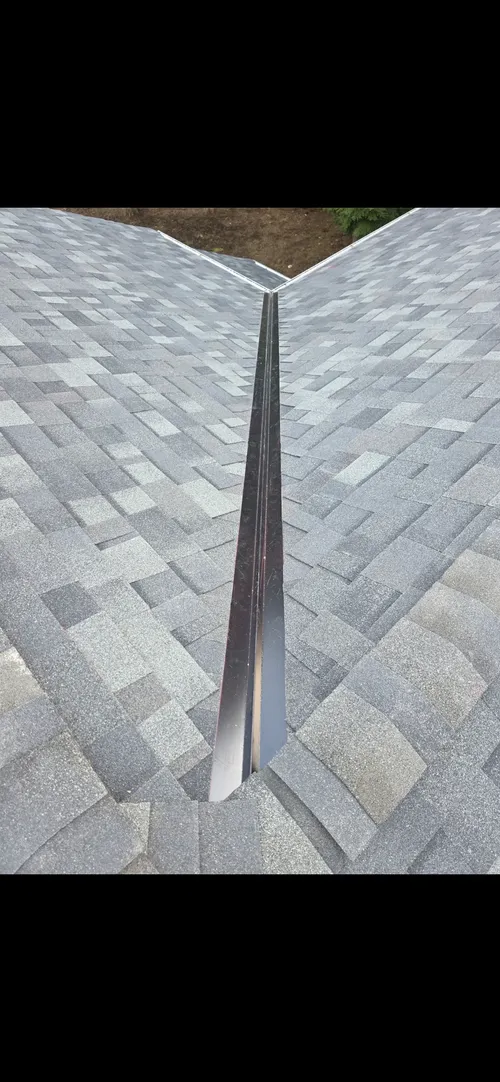
Diamond Roofing & Construction is a roofing contractor based in Seattle, WA, offering a full range of roofing services including installation, replacement, repair, leak repair, and roof inspections. They serve both residential and commercial clients and specialize in various roofing materials such as composition shingles, metal roofing including standing seam, torch applied roofs, TPO, flat roofs, and cedar shakes. With over a year in business, the company emphasizes quality workmanship, using top-grade materials and certified professionals. They also provide emergency roofing services and back their work with warranties for added assurance.
Silverlining Roof LLC
10609 Beardslee Blvd, Bothell, WA 98011
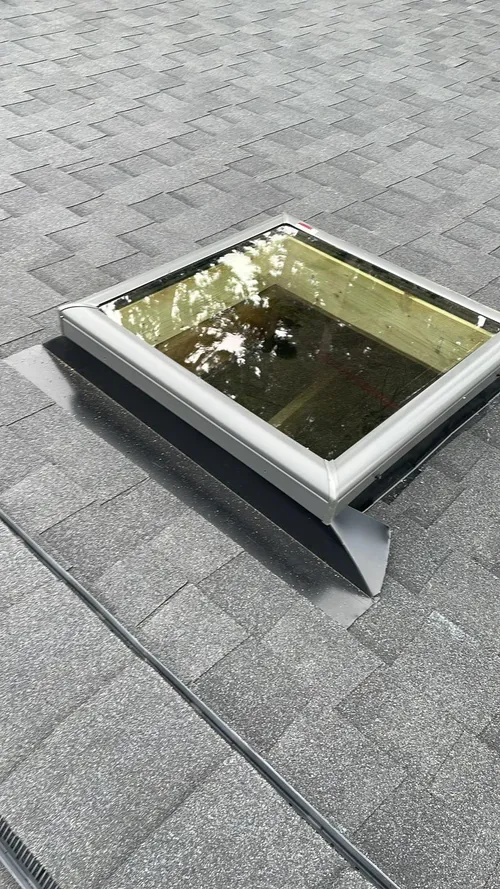
Silverlining Roof LLC is a roofing contractor serving Seattle, WA, and the Puget Sound area. They provide a range of services including roof installation, replacement, repair, leak repair, metal roofing with standing seam, roof inspection, and certification. The company has over 19 years of experience and offers a 50-year warranty on qualified roof shingle services. Their capabilities include complete roof replacements and gutter installation, with a focus on detailed inspections and repairs such as valley metal replacement. Silverlining Roof LLC also offers financing solutions to assist clients with project planning.
Why Roof Evaluations Are Essential in Kent's Climate
The weather patterns in Western Washington create a unique set of challenges for roofing systems. Regular roof assessments are not just a good idea; they are a necessary part of home maintenance here. The damp climate promotes the rapid growth of moss and algae, which can lift shingles and trap moisture against the roof deck, accelerating rot. Furthermore, wind-driven rain from fall and winter storms can test the integrity of flashing seals around chimneys, vents, and skylights. An inspection specifically looks for these regional vulnerabilities, helping to extend the lifespan of your roof and prevent interior water damage that can lead to mold and compromised insulation. Scheduling a check twice a year, typically in spring and fall, and after any significant storm event is a prudent strategy for Kent residents.
What a Professional Roof Inspector Examines
A comprehensive roof evaluation is a systematic process that covers every component of your roofing system, from the ridge to the gutters.
Exterior Inspection Points
The inspector begins with a ground-level view before safely accessing the roof surface. Key exterior elements examined include:
- Shingles or Roofing Material: Looking for curling, cracking, blistering, or missing pieces. For asphalt shingles-common in Kent-inspectors check for significant granule loss, which indicates aging and reduced UV protection 1.
- Moss, Algae, and Debris: Identifying organic growth and accumulated debris that retain moisture and degrade roofing materials.
- Flashing: This is a critical focus area. Inspectors meticulously check the metal flashing around roof penetrations (plumbing vents, chimneys), in valleys, and along walls. Compromised flashing is a leading cause of leaks in the Northwest.
- Roof Deck and Structure: Assessing for signs of sagging, rot, or damage to the underlying decking.
- Fascia, Soffit, and Gutters: Checking for rot in wooden fascia and soffits, ensuring proper ventilation in soffits, and verifying that gutters are securely attached, clear of clogs, and effectively directing water away from the foundation.
Interior and Attic Inspection Points
The inspection continues inside, usually in the attic, to identify problems not visible from the outside:
- Signs of Water Intrusion: Searching for active leaks, water stains, mold, or mildew on the underside of the roof deck, rafters, or insulation 2.
- Ventilation and Insulation: Evaluating the balance of intake (usually at soffits) and exhaust (at ridge or gable vents) ventilation. Proper airflow is essential to prevent moisture buildup and ice dams in winter. The inspector also checks insulation levels and for any compression that reduces effectiveness 3.
- Daylight Penetration: Looking for any spots where daylight is visible through the roof deck, indicating gaps or potential weak points 4.
Types of Roof Inspections and Associated Costs
Not all roof inspections are the same. The scope and price depend on the depth of analysis required.
- Basic Visual Inspection ($150 - $350): This is a standard evaluation involving a visual check of the roof's exterior from the ground and ladder, an attic inspection, and a basic written report with photos. It's suitable for routine maintenance or a general assessment of an older roof 5.
- Detailed or Comprehensive Inspection ($300 - $600+): This in-depth analysis includes everything in a basic inspection plus closer scrutiny. The inspector will likely walk the entire roof surface, use moisture meters to detect hidden dampness within materials, and may employ infrared cameras to identify thermal anomalies indicating water retention or insulation gaps. This type is recommended before buying a home, after severe weather, or if you suspect hidden damage 6 7 8.
Find the perfect roof inspectors for your needs
Get personalized recommendations and expert advice
The Inspection Report: Your Roadmap for Action
Following the assessment, you should receive a detailed roof inspection report. This document is your guide to the current condition of your roof. A quality report will include:
- Photographic Evidence: Clear, labeled photos of both problem areas and sections in good condition.
- Detailed Findings: A description of each issue found, its location, and its severity.
- Clear Recommendations: Specific advice on necessary repairs, maintenance tasks (like moss treatment), or monitoring. It should differentiate between urgent repairs and longer-term recommendations.
- Estimated Timeline: Guidance on how soon actions should be taken to prevent further damage or deterioration.
This report is an invaluable tool, whether you are planning repairs, filing an insurance claim, or simply documenting the condition for future reference.
Kent-Specific Roofing Concerns to Monitor
Given the local environment, Kent homeowners should pay special attention to a few key issues during any roof evaluation:
- Moss and Algae Management: This is the top maintenance concern. Inspectors will note the extent of growth and recommend safe removal techniques to prevent damage to shingles during cleaning.
- Moisture and Rot from Humidity: Persistent high humidity can lead to wood rot in eaves, fascia, and decking even without a major leak. Inspectors are trained to spot the subtle signs of moisture-related decay 9.
- Storm Damage Verification: After wind or hail events, an inspection can document lifted shingles, dented vents, or damaged flashing for insurance purposes, distinguishing new storm damage from pre-existing wear and tear.
Frequently asked questions
Sources
Footnotes
-
Roof Inspection Checklist for Residential Shingle Roofs ... - https://www.iko.com/blog/roof-inspection-checklist/ ↩
-
Roofing Inspection Guide - Owens Corning - https://www.owenscorning.com/en-us/roofing/blog/roof-inspection ↩
-
Blog - Guide to New Roof Inspections with Post-Replacement Analysis - https://www.ameriproroofing.com/blog/new-roof-inspection-guide/ ↩
-
5 Tips for a Roof Inspection | AHS - American Home Shield - https://www.ahs.com/home-matters/repair-maintenance/diy-tips-roof-inspection/ ↩
-
Roof Inspection Checklist: Complete Guide For Homeowners - https://greentekps.com/blog/roof-inspection-checklist/ ↩
-
Roof Inspection Guide 2025 | Hulsey Roofing Co. - https://hulseyroofingstl.com/2025/04/roof-inspections-all-you-need-to-know/ ↩
-
How Much are Roof Inspections? #1 Guide for Ultimate Results - https://goliniroofing.com/how-much-are-roof-inspections/ ↩
-
How to Write a Roof Inspection Report - Equipter - https://www.equipter.com/equipter-articles/write-a-roof-inspection-report ↩
-
Detailed Roof Inspection Checklist for Effective Maintenance - https://northwestroof.com/detailed-roof-inspection-checklist-for-effective-maintenance/ ↩