
Find the Best Roof Inspectors for Your Business
No obligation • Fast responses • Nationwide coverage
Why you can trust Roof Lists
Roof Lists is a leading U.S. resource for finding and comparing roofing contractors. Our team researches providers, reviews customer feedback, and publishes clear, unbiased information. Companies cannot pay to change rankings or our editorial opinions.
Search providers near you
Top Roof Inspectors in Middletown, Ohio Ranked
A professional roof inspection is a critical evaluation of your home's first line of defense against the elements. In Ohio, where weather swings from humid summers to snowy winters, regular assessments are essential for catching minor issues before they become costly repairs or full replacements. This guide will help you understand the importance, timing, process, and typical considerations for a roof inspection in the Buckeye State, empowering you to make informed decisions about maintaining your home.
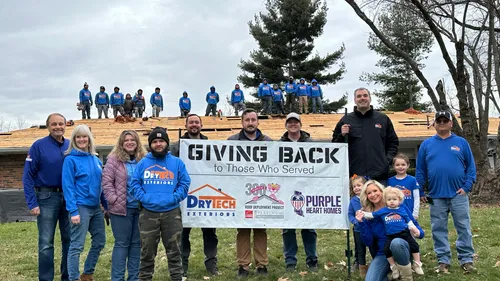
DryTech Exteriors
3036 Far Hills Ave, Dayton, OH 45429
DryTech Exteriors is a roofing contractor based in Dayton, OH, serving homeowners in the Dayton and Miami Valley area. They specialize in roof installation, replacement, repair, and inspection, including metal roofing and standing seam systems. The company also offers siding and gutter services to protect homes from weather damage. DryTech Exteriors is known for managing projects from tear-off to cleanup with clear communication and professional crews. They provide emergency roofing repairs after storms and work closely with insurance companies to support claims. Customers appreciate their thorough roof inspections and efficient project completion.
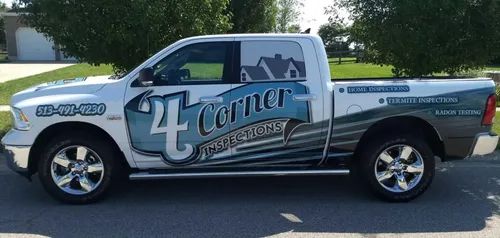
4 Corner Inspections LLC
4592 Allison Ln, Batavia, OH 45103
4 Corner Inspections LLC provides certified home inspection and roof certification services in Cincinnati, OH. Their inspections cover all major home systems including foundation, roof, attic, plumbing, electrical, HVAC, and more. The company offers detailed reports with photos and clear explanations to help buyers understand the condition of a property. They emphasize thoroughness and transparency, allowing clients to accompany the inspector during the process. 4 Corner Inspections has built a reputation for detailed and professional inspections, with multiple clients returning for repeat services.
American Verified Home Inspections
4027 Gilmore Ave, Cincinnati, OH 45209
American Verified Home Inspections in Cincinnati, OH, offers comprehensive home inspection services including roof inspections and roof certifications. Established in 2004, the company has completed over 7,000 inspections using advanced tools such as thermal cameras, moisture meters, carbon monoxide detectors, and drone cameras to provide detailed and accurate reports. Their inspectors are licensed wood destroying insect inspectors, and every home inspection includes a wood destroying insect inspection at no extra charge. The company provides an online scheduler available 24/7 for convenient appointment booking and arranges home access through listing agents or sellers, carrying lock box keys to facilitate inspections even when the home is not physically accessible.
Advantage Roofing
5706 Carthage Ave, Cincinnati, OH 45212
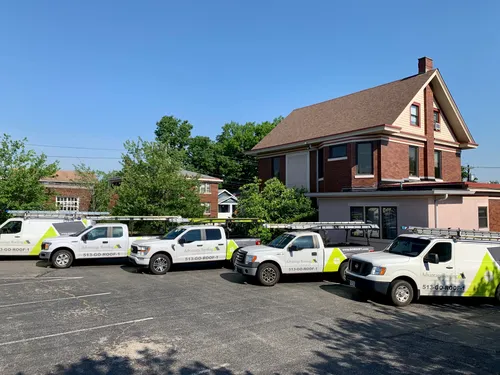
Advantage Roofing is a roofing contractor based in Cincinnati, OH, providing roof installation, replacement, repair, leak repair, inspection, and certification services. Since 2001, they have served over 8,000 homeowners, focusing on durable and high-quality roofing solutions. Their process includes a free roof assessment with video documentation, guidance on material and color choices, and a thorough installation with final quality inspections. They also offer a lifetime workmanship warranty and support with insurance claims, ensuring a comprehensive roofing experience.
Klaus Roofing Systems of Cincinnati
10690 Loveland Madeira Rd Suite A, Loveland, OH 45140
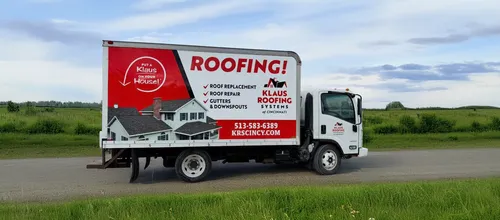
Klaus Roofing Systems of Cincinnati offers roofing and gutter services to homeowners in Cincinnati, OH, and surrounding areas including Hamilton, West Chester, and Dayton. Their services include roof repair, roof replacement, roof inspection, and gutter installation. The company specializes in handling damage caused by hail, wind, and severe weather, and provides full roof replacements using weather-resistant shingles. They also install seamless gutters, gutter guards, downspouts, and extensions tailored to each home. Klaus Roofing Systems operates with a focus on quality materials and craftsmanship, backed by a transferable warranty. They serve a broad area across Ohio and Kentucky and provide thorough roof inspections and honest estimates.
Why Regular Roof Inspections Are Crucial in Ohio
Ohio's climate presents a unique set of challenges for residential roofing. The high humidity common in many parts of the state promotes the growth of moss and algae, which can degrade roofing materials over time. Winter brings heavy snow loads and ice dams, while spring and summer often feature severe thunderstorms with hail and high winds. These conditions can cause immediate damage like missing shingles or gradual wear like granule loss and flashing corrosion. A systematic inspection identifies these vulnerabilities, helping to extend your roof's lifespan, maintain your home's value, and prevent interior water damage.
When to Schedule a Roof Inspection
Knowing when to get your roof checked is half the battle. Here are the key triggers for scheduling an inspection on an Ohio home:
- Routine Maintenance: Industry experts strongly recommend a professional evaluation at least once a year. Many roofing professionals suggest aiming for twice-yearly inspections, ideally in the spring and fall. The spring check assesses winter damage, while the fall inspection prepares your roof for the coming snow and ice.
- After Severe Weather: Any significant weather event is a clear signal to get an inspection. Schedule one immediately after a storm featuring hail, tornado-force winds, or heavy, wet snow 1. Damage from hail or fallen branches may not be visible from the ground.
- Based on Roof Age: As a roof approaches and passes its expected lifespan (often 20-25 years for asphalt shingles), increase inspection frequency. Consider semi-annual checks for roofs over 10 years old, while newer roofs may be fine with an annual schedule 2.
- Other Important Times: Always get an inspection before buying a home or putting yours on the market. Also, act promptly if you notice interior warning signs like water stains on ceilings, mold in the attic, or any visible sagging in the roofline 3.
What Inspectors Look For: The Ohio Checklist
A comprehensive roof inspection in Ohio covers both exterior and interior components. Here's what a qualified inspector will examine:
Exterior Inspection:
- Shingles: Looking for cracks, curling, cupping, or missing pieces. They'll also check for bald spots where protective granules have washed away, a sign of advanced wear 4.
- Flashing: Inspecting the metal seals around chimneys, vents, skylights, and roof valleys for cracks, corrosion, or separation, which are common leak sources.
- Gutters and Downspouts: Checking for proper drainage, clogs, and sagging. Gutters filled with shingle granules indicate active roof surface erosion.
- Moss, Algae, and Debris: Identifying organic growth that traps moisture against the roof deck, a frequent issue in Ohio's humid climate 5.
- Structural Integrity: Assessing for any sagging, dips, or uneven planes in the roof structure.
Interior & Attic Inspection:
- Signs of Water Intrusion: Searching for stains, mold, or mildew on rafters, sheathing, and insulation in the attic 6.
- Ventilation and Insulation: Ensuring attic ventilation is adequate to prevent heat and moisture buildup, which can warp decking and cause ice dams in winter.
- Workmanship: Reviewing the quality of previous repairs or installations.
The Professional Inspection Process
When you hire a professional, you can expect a thorough, multi-step process. Many inspectors now use technology like drones for safe, high-angle views and thermal imaging cameras to detect moisture trapped beneath the surface that isn't visible to the naked eye 7 8. The inspection typically involves a visual assessment from the ground, a hands-on examination on the roof (where safe and possible), and a detailed check of the attic space. The final deliverable is a written report, often accompanied by photographs, detailing the roof's condition, any defects found, and recommended actions. This report is invaluable for planning repairs, filing insurance claims, or providing documentation during a real estate transaction.
Find the perfect roof inspectors for your needs
Get personalized recommendations and expert advice
Understanding Inspection Costs in Ohio
The cost for a professional roof inspection in Ohio can vary. Research indicates a typical range of roughly $120 to $321 for a standard inspection conducted by a certified professional 9 10. The final price can be influenced by the size and pitch of your roof, the complexity of its design (multiple levels, many valleys), and the inspector's qualifications. It's important to note that many reputable roofing contractors offer free inspections, particularly when they are providing an estimate for repair or replacement work 10. When comparing options, clarify what is included-whether it's a basic visual check or a more comprehensive review with moisture meters and a detailed report.
Choosing a Qualified Roof Inspector in Ohio
Selecting the right professional is key. Look for a licensed, insured, and well-established local contractor with specific experience with Ohio homes. Check for positive reviews and references. While some homeowners opt for inspections from certified home inspectors (e.g., through NACHI), a specialized roofing contractor often has the deepest expertise in material failure, local weather patterns, and repair techniques. Always ask about their process, the tools they use, and the type of report you will receive.
After the Inspection: Next Steps
Your inspection report will categorize findings. Minor issues like a few missing shingles or a small section of cracked flashing may be simple, urgent repairs. Extensive granule loss, widespread moss infiltration, or structural concerns might indicate a roof is nearing the end of its service life. Use the detailed report to prioritize actions, obtain quotes for necessary work, and create a maintenance plan. Addressing small problems promptly is the most effective way to avoid emergency leaks and maximize your investment in your roof.
Frequently asked questions
Sources
Footnotes
-
What to Expect During a Roof Inspection for Your Home - https://www.mtroofingandrestoration.com/blog/roof-inspection-northeast-ohio ↩
-
How Often Should You Have Your Roof Inspected | Roof Care Guide - https://greatroofingllc.com/how-often-should-you-have-your-roof-inspected/ ↩
-
Roof Inspection Guide 2025 | Hulsey Roofing Co. - https://hulseyroofingstl.com/2025/04/roof-inspections-all-you-need-to-know/ ↩
-
Roof Inspection Guide & Checklist for Homeowners - https://pythonroofing.com/blog/roof-inspection-checklist-and-guide/ ↩
-
5 Common Summer Roof Problems in Ohio - https://rawroofs.com/common-summer-roof-problems-ohio-homeowners-face/ ↩
-
Residential Roof Inspection Checklist in Ohio - https://www.assistrestoration.com/blogs/post/residential-roof-inspection-checklist ↩
-
Roof Inspection Guide: Ensure Safety & Longevity - https://jamarroofing.com/the-ultimate-roof-inspection-guide/ ↩
-
Spot Roof Damage After Summer Storm in Ohio - https://ohioroofingsolutions.com/how-inspect-roof-after-ohio-summer-thunderstorms/ ↩
-
2026 Roof Inspection Cost Guide (What To Expect) - https://reconroof.com/blog/roof-inspection-cost/ ↩
-
Roofing Inspection Guide - Owens Corning - https://www.owenscorning.com/en-us/roofing/blog/roof-inspection ↩ ↩2