
Find the Best Roof Inspectors for Your Business
No obligation • Fast responses • Nationwide coverage
Why you can trust Roof Lists
Roof Lists is a leading U.S. resource for finding and comparing roofing contractors. Our team researches providers, reviews customer feedback, and publishes clear, unbiased information. Companies cannot pay to change rankings or our editorial opinions.
Search providers near you
Top Roof Inspectors in Wentzville, Missouri Ranked
A professional roof inspection is a critical evaluation of your home's first line of defense against the elements. In Wentzville, where Missouri's severe weather can bring hail, heavy rain, and temperature extremes, regular roof assessments are essential for protecting your investment and preventing costly interior damage. This guide will help you understand what a thorough roof check involves, what local inspectors look for, and how to identify qualified professionals to evaluate your home's roofing system.
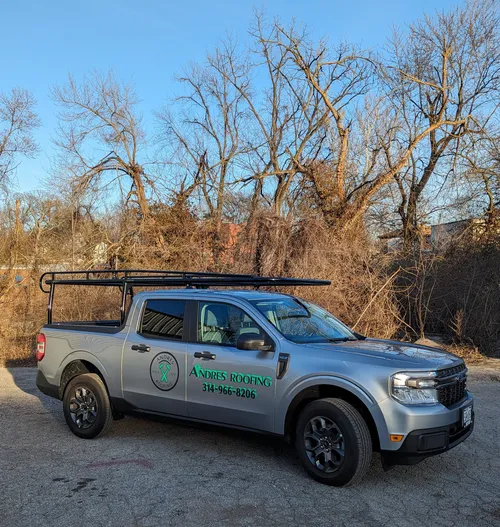
Andres Roofing
11843 Devonshire Ave, St. Louis, MO 63131
Andres Roofing is a family-owned roofing contractor based in St. Louis, MO, serving the community for over 48 years. They provide a range of services including roof installation, replacement, repair, leak repair, inspection, and certification. Known for their comprehensive roof inspections and detailed estimates, Andres Roofing also offers skylight installations to enhance home protection and aesthetics. Their experienced team is dedicated to quality workmanship and transparent communication throughout every project.
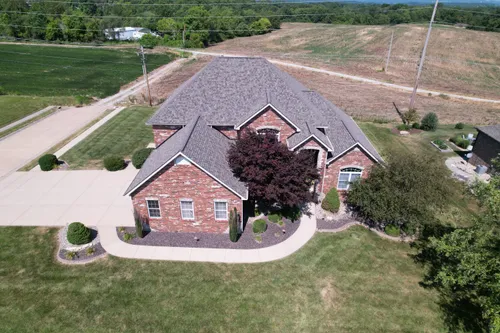
Total Roofing
12747 Olive Blvd Suite 300, St. Louis, MO 63141
Total Roofing is a roofing contractor based in St. Louis, MO, offering services for residential and commercial properties. They provide roof inspections, repairs, replacements, and coatings, along with exterior enhancements like siding and gutters. Serving the Greater St. Louis area, including multiple counties, they bring 25 years of combined experience to their work. Total Roofing also offers emergency roofing services and assists customers with insurance claims to support roof replacement and repair projects.
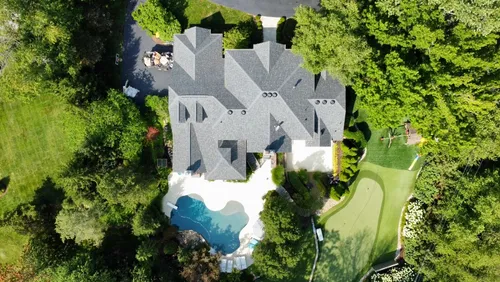
Kpro Roofing & Renovation
142 Enchanted Pkwy, Manchester, MO 63021
Kpro Roofing & Renovation is a roofing contractor based in St Louis, MO, serving both residential and commercial clients. Established in 2000, the company offers roof installation, repair, leak repair, and roof inspections, along with additional services such as window, siding, and gutter installation. They are recognized as a Certainteed Master Shingle Applicator and preferred contractor for Owens Corning, Mule-Hide, and GAF, reflecting their commitment to industry standards. Kpro Roofing & Renovation provides detailed estimates within 24 hours and handles complex roofing challenges with expertise.
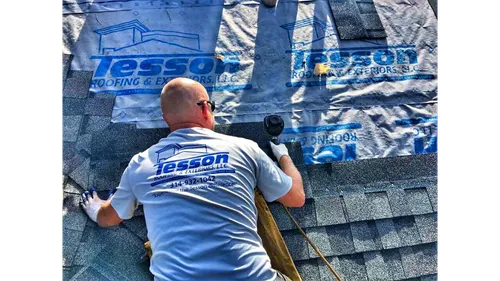
Tesson Roofing & Exteriors LLC
656 Axminister Dr, Fenton, MO 63026
Tesson Roofing & Exteriors LLC is a roofing contractor based in St Louis, MO, offering roof installation, replacement, repair, inspection, and certification services. They handle a range of exterior projects including gutter and siding work, often coordinating with insurance adjusters for storm damage claims. Known for completing roof installations efficiently, they provide a 25-year transferable warranty on their roofing work. The company has experience managing hail and wind damage repairs and offers expertise in chimney flashing and other specialized roofing tasks.
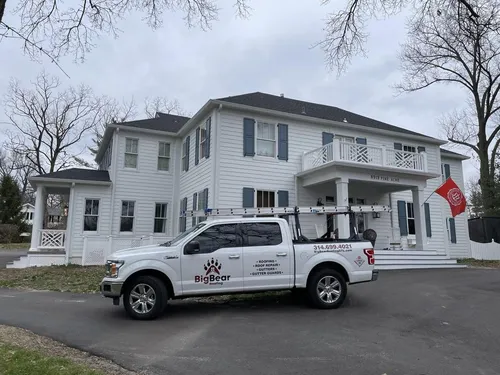
Big Bear Roofing
9909 Clayton Rd Suite Ll2, St. Louis, MO 63124
Big Bear Roofing is a locally owned roofing contractor serving residential and commercial clients in St Louis, MO, and surrounding areas within a 50-mile radius. They provide a wide range of roofing services including installation, replacement, roof repairs, metal roofing, shingle roofing, flat roofs, storm damage repair, and gutter installation. The company is certified by GAF and CertainTeed, ensuring the use of high-quality materials and expert craftsmanship. Big Bear Roofing offers a 10-year workmanship warranty and assists customers with insurance claims to facilitate repairs or replacements. Their team is experienced in handling projects of various sizes and types, with a focus on durable and efficient roofing solutions.
Why Regular Roof Evaluations Are Crucial in Wentzville
Wentzville's climate poses unique challenges for residential roofing. The area experiences significant seasonal shifts, from hot, humid summers that can bake and blister shingles to cold winters with freeze-thaw cycles that stress materials. Spring and summer often bring severe thunderstorms capable of producing damaging hail and high winds. A proactive roof assessment can identify minor issues-like a few loose granules or a small flashing gap-before they escalate into major leaks requiring full roof replacement. Regular inspections are a key part of responsible home maintenance, helping to extend your roof's lifespan and maintain your home's structural integrity.
What a Comprehensive Roof Check Covers
A complete residential roofing inspection in Wentzville is a two-part process, examining both the exterior components you can see and the interior conditions hidden in your attic. Professional inspectors follow a systematic checklist to ensure no potential problem area is overlooked.
Exterior Roof Inspection Components
The exterior evaluation involves a close examination of all materials and systems that shield your home from weather.
- Shingle Condition: Inspectors look for blisters, curling edges, cracks, and missing pieces. A significant loss of protective granules, which often accumulate in gutters, indicates advanced wear. They also check for hail impact marks, which can bruise or crack the shingle mat beneath the surface.
- Flashing Integrity: Metal flashing seals the joints and penetrations in your roof, such as around chimneys, plumbing vents, skylights, and in valleys where two roof planes meet. Inspectors check for rust, corrosion, loose sections, or separation that could allow water intrusion 1.
- Sealants and Caulking: The seals around vent pipes, antenna mounts, and other roof penetrations are examined for cracking, brittleness, or gaps where water could enter.
- Gutter and Downspout Systems: Gutters are checked for proper attachment, sagging, rust, and debris blockages. Functional gutters and downspouts are vital for directing water away from your roof edge and foundation.
- Soffit, Fascia, and Siding: The wood or vinyl components at the roofline are inspected for rot, pest damage, or deterioration caused by trapped moisture or improper drainage 2.
- Ridge and Hip Shingles: The shingles along the peak (ridge) and angled seams (hips) of the roof are examined to ensure they are properly sealed and attached, as these areas are highly vulnerable to wind uplift.
Interior (Attic) Inspection Components
The condition inside your attic tells the true story of your roof's health and performance.
- Decking (Sheathing): The inspector looks for any signs of sagging between the rafters or trusses. They also check for daylight visible through cracks or holes, which indicates a failure point.
- Ventilation: A balanced attic ventilation system is crucial in Missouri's climate. Inspectors ensure intake vents (typically in the soffits) and exhaust vents (at the ridge or gables) are clear of insulation or debris. Poor ventilation leads to excessive heat buildup in summer and moisture accumulation in winter, both of which can drastically shorten your roof's life.
- Signs of Leaks and Moisture: The attic is scrutinized for water stains on the wood, damp or compressed insulation, condensation on nails or sheathing, and any signs of mold growth. These are clear indicators of active or past water intrusion.
Find the perfect roof inspectors for your needs
Get personalized recommendations and expert advice
Understanding Roof Inspection Costs in Wentzville
The price of a roof evaluation in Wentzville varies based on the scope of the service, the size and complexity of your roof, and the technologies used. It's important to understand what you're paying for.
- Basic Visual Inspection ($150 - $250): This typically involves an exterior examination from the ground or a ladder, sometimes with binoculars. Some roofing contractors may offer a basic visual check for free, especially if you are considering repair work.
- Detailed/Comprehensive Inspection ($250 - $400+): This is the standard for a thorough evaluation. It includes a hands-on exterior inspection where the professional walks on the roof (if safe to do so) and a full interior attic assessment. This service provides a complete picture of your roof's condition and is recommended for routine maintenance or if you suspect damage 3.
- Advanced Inspection with Technology ($400 - $600+): For complex roof designs, suspected hidden moisture, or detailed documentation for an insurance claim, inspectors may use moisture meters, infrared cameras to detect wet insulation, or drones for hard-to-access areas. These methods provide a higher level of diagnostic detail 4.
Always ask what is included in the quoted price. A reputable inspector will provide a written report with photographs detailing their findings.
The Impact of Missouri Weather on Your Roof
Local inspectors are specifically trained to identify damage patterns common to the Midwest.
- Hail and Wind Damage: After a storm, inspectors focus on granule loss and circular impact marks on shingles. High winds can lift and break shingles, particularly at the edges and ridges. They will also check for damage to soft metal components like flashing and gutters 5.
- Thermal Cycling: The repeated expansion and contraction caused by Missouri's temperature extremes can cause shingles to become brittle and crack. Sealant strips between shingles can also fail over time, reducing their wind resistance. Inspectors assess the overall flexibility and integrity of the roofing materials 6 7.
How to Prepare for a Roof Assessment
As a homeowner, you can perform a preliminary DIY check using binoculars from the ground. Look for obvious issues like missing shingles, visible sagging, or excessive granules in your gutters. Before a professional arrives, ensure clear access to your attic and remove any storage items blocking the inspector's path to the eaves and sheathing. Having a copy of your roof's age and any previous repair records can also be helpful for the inspector's assessment.
Frequently asked questions
Sources
Footnotes
-
What is a Roofing Inspection - https://www.inspectionsupport.com/what-is-a-roofing-inspection/ ↩
-
Roof Inspection Checklist - Gorilla Roofing St. Louis - https://www.gorillaroofing.com/resources/roof-inspection-checklist/ ↩
-
Roof Inspection Cost Guide 2025: What Homeowners Pay - https://foxhavenroof.com/roof-inspection-cost-guide-2025-what-homeowners-pay/ ↩
-
How Much are Roof Inspections? #1 Guide for Ultimate Results - https://goliniroofing.com/how-much-are-roof-inspections/ ↩
-
Roof Inspection Checklist for Residential Shingle Roofs ... - https://www.iko.com/blog/roof-inspection-checklist/ ↩
-
Roof Inspection Guide 2025 | Hulsey Roofing Co. - https://hulseyroofingstl.com/2025/04/roof-inspections-all-you-need-to-know/ ↩
-
Roof Inspection Checklist for Missouri Homeowners - https://www.amp-roofing.com/blog/roof-inspection-checklist-mo ↩