
Find the Best Roof Inspectors for Your Business
No obligation • Fast responses • Nationwide coverage
Why you can trust Roof Lists
Roof Lists is a leading U.S. resource for finding and comparing roofing contractors. Our team researches providers, reviews customer feedback, and publishes clear, unbiased information. Companies cannot pay to change rankings or our editorial opinions.
Search providers near you
Top Roof Inspectors in Independence, Missouri Ranked
A professional roof inspection in Independence is a critical investment in protecting your home from the region's variable weather. These evaluations go beyond a simple glance at your shingles, providing a systematic assessment of your entire roofing system's health, from the exterior surface to the attic structure. Given the local exposure to hail, high winds, rapid temperature shifts, and seasonal precipitation, a thorough examination can identify minor issues before they escalate into costly interior water damage or structural repairs. Understanding what an inspection entails, what inspectors look for, and the value of a detailed report empowers Independence homeowners to make informed decisions about maintenance, repairs, or replacement.
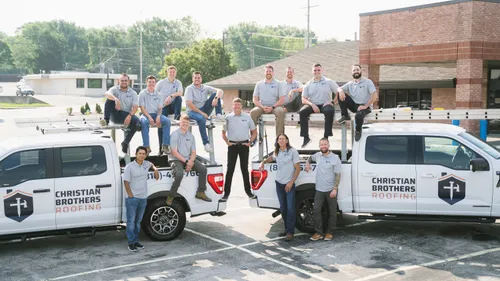
Christian Brothers Roofing LLC
7514 N Oak Trafficway, Gladstone, MO 64118
Christian Brothers Roofing LLC is a roofing contractor based in Kansas City, MO, specializing in roof installation, replacement, repair, leak repair, inspection, and certification for both residential and commercial properties. They offer a comprehensive commercial roof maintenance program called SHIELD, which includes biannual inspections and repairs to extend roof life and maintain warranties. The company is recognized for its high standards, holding GAF's Master Elite Award with the President's Club designation and is one of only 12 regional contractors involved in product innovation with GAF. Christian Brothers Roofing emphasizes thorough project management from consultation through completion and registers manufacturer-backed warranties for up to 25 years on residential and 35 years on commercial roofs.
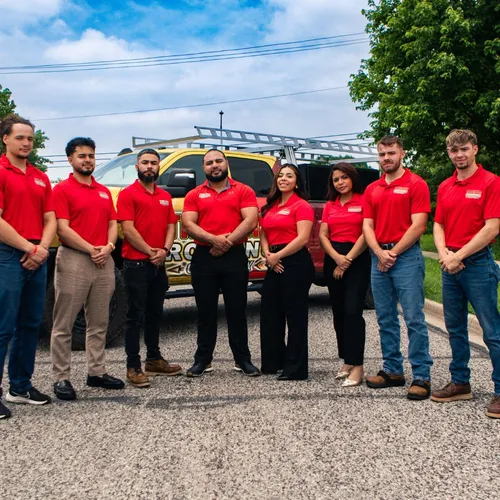
True Grit Roofing Company
12209 W 88th St, Lenexa, KS 66215
True Grit Roofing Company is a roofing contractor based in Kansas City, MO, offering a wide range of roofing services including roof replacement, repair, storm damage restoration, inspections, and certifications. They serve residential and commercial clients throughout the Kansas City metro area, including Olathe and Overland Park. The company specializes in both asphalt shingle and standing seam metal roofing installations and repairs. Founded in 2013 by Sergio Flores, True Grit Roofing brings over a decade of experience to each project. They also assist customers with insurance claims and provide flexible financing options to support roofing needs.
Pro Roofers LLC
202 SW 10 St, Blue Springs, MO 64015
Pro Roofers LLC is a roofing contractor based in Kansas City, MO, offering residential and commercial roofing services including installation, replacement, roof repair, leak repair, and roof inspections. They also provide siding and gutter installation to protect and enhance properties. The company is experienced in working with insurance claims to assist customers through the process and has the capability to complete full roof tear-offs and replacements efficiently, often within a single day. Pro Roofers LLC serves the Kansas City area and is available for appointments Monday through Saturday.
WIN Home Inspection
Kansas City, KS
WIN Home Inspection offers roof inspection and roof certification services in Kansas City, KS. The company provides detailed home inspections with clear photographic evidence and thorough explanations of findings. They also offer warranties on roofs and main lines, and alert clients to appliance recalls. Known for their careful and comprehensive approach, WIN Home Inspection supports clients with follow-up answers and expert referrals after the inspection.
435 Roofing Inc.
9265 Flint St, Overland Park, KS 66214
435 Roofing Inc. is a licensed and insured roofing contractor serving Kansas City, MO, and the surrounding areas. They provide a wide range of roofing services including installation, replacement, repair, roof inspections, and certifications for both residential and commercial properties. The company specializes in various roofing materials such as composite shingles, wood shake, tile, and metal roofing, including standing seam metal roofs. They are certified installers for major manufacturers like GAF, CertainTeed, and Owens Corning, and offer expertise in handling storm and hail damage with insurance claim support. 435 Roofing has built a reputation for thorough roof inspections and quality workmanship, with a focus on customer satisfaction from start to finish.
What a Professional Roof Inspection Covers
A comprehensive roof inspection in Independence is a two-part process, meticulously examining both the exterior and interior components of your roofing system. This dual approach is essential because problems often manifest in one area while originating in another.
Exterior Inspection Components
The exterior evaluation is a hands-on, visual assessment conducted from the ground, with ladders, and often directly on the roof surface (where safe to do so). The inspector's checklist is detailed:
- Shingles: Looking for granule loss (often found in gutters), which indicates advanced wear and reduces UV protection. Checking for curling, cracking, blistering, or missing shingles that compromise the water barrier.
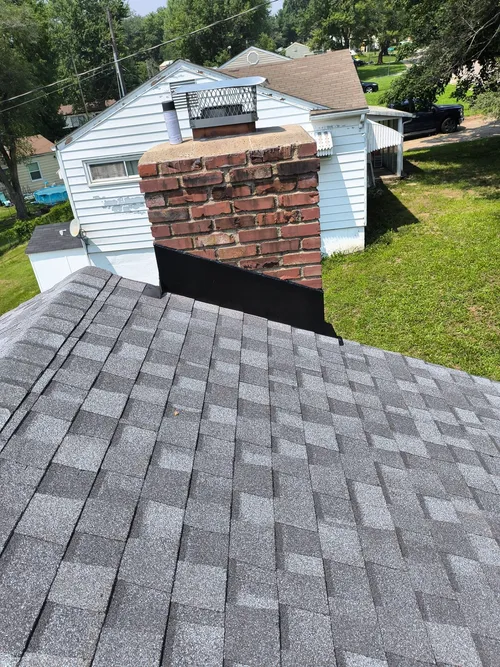
- Flashing: Inspecting the metal seals around chimneys, vent pipes, skylights, and roof valleys. Damaged, corroded, or improperly sealed flashing is a leading cause of leaks 1.
- Roof Structure: Observing the roof plane for any signs of sagging or uneven areas, which could point to deeper structural issues with the decking or supports.
- Fascia, Soffits, & Gutters: Checking for wood rot on fascia boards, ensuring soffit vents are clear for intake ventilation, and verifying that gutters and downspouts are securely attached, properly sloped, and free of debris that can cause water backup.
Interior & Attic Inspection Components
The interior check is just as vital. Inspectors will examine your attic and ceilings for clues about the roof's performance:
- Ventilation: Assessing the balance of intake (soffit) and exhaust (ridge or gable) vents. Proper attic ventilation is crucial in Missouri's climate to prevent heat and moisture buildup, which can warp decking, reduce shingle life, and lead to ice dams in winter.
- Moisture & Leaks: Searching for visible water stains, mold, or mildew on rafters, decking, and insulation. Using a flashlight to look for "pinpoint" light leaks through the roof deck.
- Insulation: Noting the depth, coverage, and condition of attic insulation, as it works in tandem with ventilation for overall home efficiency and roof health.
Why Independence Homes Need Regular Roof Evaluations
The climate in the Kansas City metro area, including Independence, presents unique challenges for roofing materials. The seasonal cycle of hot, humid summers and cold winters with potential ice and snow puts constant stress on asphalt shingles, causing them to expand and contract. This can lead to premature aging, compromised seals, and granule loss. Furthermore, spring and summer bring the threat of severe thunderstorms, which often include damaging hail and strong, straight-line winds. These events can cause immediate, visible damage like dents and missing shingles, as well as subtle, latent damage that weakens the roof's integrity over time. A professional inspection after any major storm is a wise precaution to document damage for insurance purposes. Regular evaluations, typically recommended every 2-3 years for an older roof or after a severe weather event, help local homeowners manage these environmental risks proactively.
Types of Roof Inspections and Associated Costs
Not all roof inspections are the same. The scope and technology used will influence the depth of the findings and the cost. Understanding the options helps you choose the right service for your situation.
- Basic Visual Inspection ($150 - $350): This is a standard inspection involving a visual assessment from the ground and possibly a ladder, along with a basic attic check. It results in a simple report outlining visible issues. It's suitable for routine check-ups on newer roofs.
- Detailed Comprehensive Inspection ($300 - $600+): This is the most common and recommended type for a thorough evaluation. It includes the full interior and exterior checklist, often with basic moisture meters, and yields a comprehensive written report with photos and recommendations for repair or maintenance2.
- Specialty Inspections with Advanced Technology ($400 - $600+): For complex roof designs, suspected hidden moisture, or to complement a detailed inspection, contractors may use infrared thermal imaging or drones. Infrared cameras detect temperature differences that can indicate wet insulation, while drones provide safe, high-resolution imagery of steep or large roof areas3.
Find the perfect roof inspectors for your needs
Get personalized recommendations and expert advice
The Critical Role of the Inspection Report
The true value of a roof inspection is captured in the final report. A high-quality report is more than a invoice line item; it's a vital document for your home. It should provide a clear, photographic record of the roof's condition, itemizing both areas that are functioning well and those that need attention. For minor issues, it serves as a maintenance roadmap. If significant damage is found, the detailed report becomes essential for communicating with your insurance company to support a claim, or for providing to roofing contractors to ensure repair quotes are accurate and comparable. A thorough report translates the inspector's findings into an actionable plan, giving you the confidence to address your roof's needs effectively 4.
Key Red Flags Inspectors Find in Independence
During an inspection, professionals are trained to spot specific warning signs that are common in the local area. Homeowners can also keep an eye out for these indicators between professional visits:
- Granules in Gutters: Excessive accumulation of sand-like granules is a sign of shingle wear and aging, reducing the roof's ability to reflect sunlight and protect against UV rays5 6.
- Damaged or Missing Flashing: Rust, cracks, or separation in the metal around penetrations is a prime suspect for leak origins.
- Poor Attic Ventilation: A hot, stuffy attic in summer or visible frost on rafters in winter signals inadequate airflow, which shortens shingle lifespan and promotes moisture issues7 8.
- Sagging Roof Lines: Any dip or curve in the roofline suggests potential structural weakness in the decking or supporting rafters, requiring immediate professional attention.
- Interior Water Stains: Yellow or brown stains on ceilings or along walls, particularly after rain, are direct evidence of a moisture intrusion.
Preparing for Your Roof Inspection
To ensure your inspection goes smoothly and the contractor can provide the most accurate assessment, a little preparation is helpful. Clear any valuables or storage boxes away from the attic access point and the area around it to provide a clear path. Trim back any tree branches that are touching or overhanging the roof, if safely possible. Finally, make a note of any specific concerns you have, such as a known leak during heavy rain or a room that feels drafty, so you can point them out to the inspector when they arrive.
Frequently asked questions
Sources
Footnotes
-
Roof Inspections Made Easy: 6 Essential Elements to Know - https://briandawsonroofing.com/6-elements-of-a-roof-inspection/ ↩
-
Roof Inspection Checklist: Complete Guide For Homeowners - https://greentekps.com/blog/roof-inspection-checklist/ ↩
-
How Much are Roof Inspections? #1 Guide for Ultimate Results - https://goliniroofing.com/how-much-are-roof-inspections/ ↩
-
Blog - Guide to New Roof Inspections with Post-Replacement Analysis - https://www.ameriproroofing.com/blog/new-roof-inspection-guide/ ↩
-
Roof Inspection Guide 2025 | Hulsey Roofing Co. - https://hulseyroofingstl.com/2025/04/roof-inspections-all-you-need-to-know/ ↩
-
5 Tips for a Roof Inspection | AHS - American Home Shield - https://www.ahs.com/home-matters/repair-maintenance/diy-tips-roof-inspection/ ↩
-
Roof Inspection Checklist for Missouri Homeowners - https://www.amp-roofing.com/blog/roof-inspection-checklist-mo ↩
-
Roofing Inspection Guide - Owens Corning - https://www.owenscorning.com/en-us/roofing/blog/roof-inspection ↩