
Find the Best Roof Inspectors for Your Business
No obligation • Fast responses • Nationwide coverage
Why you can trust Roof Lists
Roof Lists is a leading U.S. resource for finding and comparing roofing contractors. Our team researches providers, reviews customer feedback, and publishes clear, unbiased information. Companies cannot pay to change rankings or our editorial opinions.
Search providers near you
Top Roof Inspectors in Detroit, Michigan Ranked
A professional roof inspection is a critical evaluation of your home's first line of defense against the elements. In Detroit, where harsh winters and freeze-thaw cycles are the norm, a thorough assessment can identify vulnerabilities before they lead to costly water damage, mold, or structural issues. This guide will help you understand what a Detroit roof inspection entails, why it's essential for local homes, and how to find qualified professionals to evaluate your property's condition.
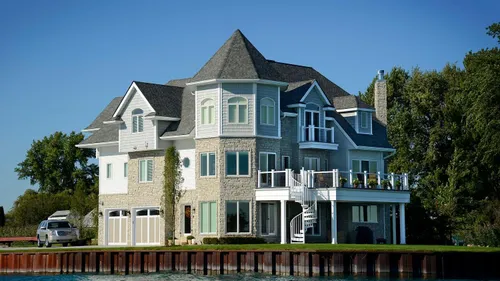
J Taylor Construction
J Taylor Construction, 47790 Robin St, Shelby Township, MI 48317
J Taylor Construction is a roofing contractor based in Sterling Heights, MI, serving Michigan homeowners and businesses for 25 years. They specialize in residential and commercial roofing, siding, and gutter installation and replacement, including roof inspections and leak repairs. With extensive experience in large condo and apartment projects, they offer expert craftsmanship and reliable service. Their capabilities include full roof replacements, roof repairs, and specialized commercial flat roofing that is designed to prevent leaks. The company holds a Michigan license and has a strong track record supported by numerous positive customer reviews.
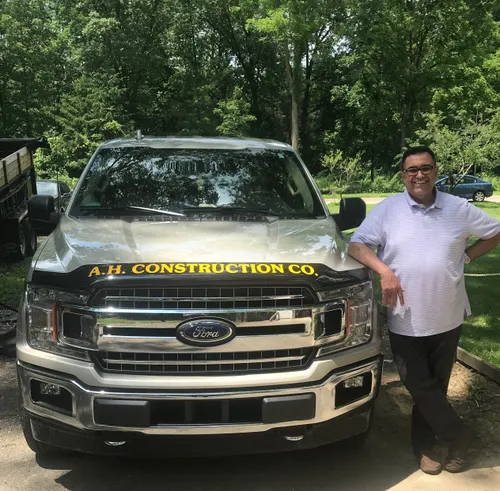
A H Construction & Roofing Co
5417 Daytona St, Ypsilanti, MI 48197
A H Construction & Roofing Co is a family-owned roofing contractor based near Ann Arbor, MI, specializing in roof installation, replacement, repair, and inspection services. They also handle related work such as chimney repairs, rotten wood replacement, attic ventilation upgrades, gutter installation, and siding repairs. The company is known for addressing underlying issues like mold and ventilation problems during roof projects, ensuring comprehensive care for roofing systems. Customers appreciate their detailed inspections, clear communication, and thorough project updates. While the exact years in business are not specified, the company has built a reputation for quality craftsmanship and attention to detail in the Ann Arbor area.
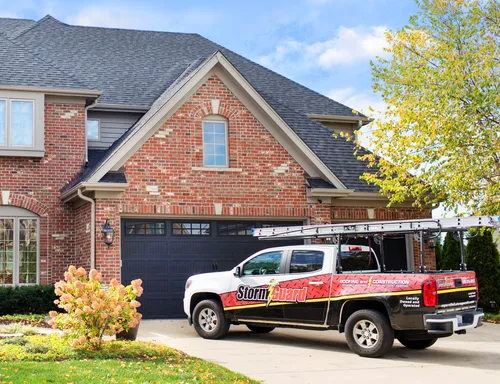
Storm Guard of Plymouth MI
352 N Main St Suite 4A, Plymouth, MI 48170
Storm Guard of Plymouth MI is a roofing contractor serving Ann Arbor, MI, and the surrounding Southeast Michigan area. They provide a range of roofing services including installation, replacement, roof repairs, leak repairs, roof inspections, and certification. The company specializes in handling storm damage restoration and assists customers with insurance claims through thorough roof inspections and documentation. With over 20 years of experience as part of the national Storm Guard network, they offer durable roofing solutions using premium materials and back their work with industry-leading warranties. Storm Guard of Plymouth also provides emergency tarping services to protect properties after storm damage.
Midwest Pros Gutter Cleaning Roofing Heating Cooling
Warren, MI
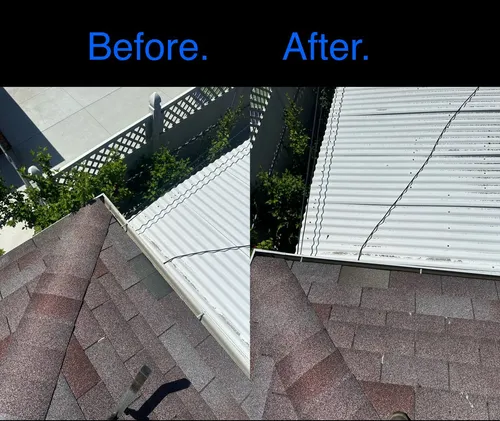
Midwest Pros Gutter Cleaning Roofing Heating Cooling is a roofing and gutter service provider based in Warren, MI. They offer services including roof installation, replacement, roof leak repair, gutter cleaning, and gutter guard installation. The company is known for providing detailed before and after photos of their work, helping customers understand the condition of their roofs and gutters. They respond quickly to service requests and have experience addressing both minor repairs and full roof replacements.
Certified Professional Home Inspection
Detroit, MI
Certified Professional Home Inspection offers roof inspections and certifications in Detroit, MI. With over 12 years of experience and more than 4,500 inspections completed, the business combines hands-on construction knowledge with specialized services such as radon testing, mold detection, indoor air quality testing, and infrared thermography. This background helps identify potential issues that others might miss, providing detailed, clear reports to support informed decisions when buying or selling a home.
Why Detroit Homes Need Specialized Roof Evaluations
The climate in Southeast Michigan presents unique challenges for residential roofing. The relentless cycle of freezing temperatures, snow accumulation, and spring thaws places extraordinary stress on roofing materials. A standard visual check might miss the early signs of damage that are specific to our region. A specialized Detroit roof assessment focuses on how these weather patterns compromise roof integrity over time, making it more than just a routine maintenance task-it's a proactive measure to protect your home's value and safety.
Two of the most significant threats identified during local inspections are ice dams and snow load stress. Ice dams form when heat escapes from a poorly insulated attic, melting snow on the upper roof only for it to refreeze at the colder eaves. This ice blockage can force water back under the shingles, leading to interior leaks and damage to walls and ceilings. Furthermore, the weight of heavy, wet snow common in Michigan winters requires a structural evaluation of rafters and trusses to ensure your roof's framing hasn't been compromised 1.
What a Comprehensive Roof Inspection Covers
A complete roof evaluation in Detroit is a two-part process, examining both the exterior and the interior attic space. Understanding the scope helps you know what to expect from a professional.
Exterior Inspection Components
The inspector starts with a ground-level walk-around before conducting a close examination, either from a ladder or using drone technology for steep or complex roofs.
- Shingle Integrity: For the predominant asphalt shingle roofs in Detroit, inspectors look for cracks, curling edges, missing pieces, and significant granule loss (the sandy coating that protects against UV rays). Granules in gutters are a key indicator of aging.
- Flashing Condition: This is the metal or rubber material that seals joints and penetrations. The inspector will meticulously check flashing around chimneys, vent pipes, skylights, and in roof valleys for cracks, rust, or separation. These are prime spots for leaks.
- Gutter, Soffit, and Fascia Health: Gutters and downspouts are checked for clogs, proper alignment, and damage. The soffit (underside of the eaves) and fascia (vertical board behind the gutter) are examined for rot, pest damage, and to ensure ventilation intake areas are clear.
- Ventilation Systems: All roof vents (ridge, gable, box vents) are inspected to ensure they are intact, unblocked, and functioning to allow proper air circulation through the attic.
- Overall Structure: The inspector assesses the roof's planes for any signs of sagging or unevenness, which could indicate a deeper structural issue.
Interior & Attic Inspection Components
The inside story is just as important. A thorough inspector will access your attic to look for problems that aren't visible from the outside.
- Water Stains and Mold: The underside of the roof decking (the plywood under the shingles) and attic rafters are checked for dark stains, streaks, or active mold growth, which are clear signs of past or present moisture intrusion 2 3.
- Attic Ventilation and Airflow: The inspector verifies that intake (via soffits) and exhaust (via roof or ridge vents) are balanced. Poor ventilation leads to heat and moisture buildup, which accelerates shingle deterioration and contributes to ice dam formation 4 5.
- Insulation Condition: Insulation should be dry and evenly distributed. Wet, matted, or missing insulation is a red flag for moisture problems and reduces your home's energy efficiency.
- Roof Decking and Framing: Using a flashlight in a dark attic, the inspector looks for any pinpoints of daylight coming through the decking, which indicates gaps. They also check the decking for soft spots and the rafters/trusses for any signs of bowing, cracking, or stress 6.
Find the perfect roof inspectors for your needs
Get personalized recommendations and expert advice
Understanding Roof Inspection Costs in Detroit
The price of a roof check in Detroit varies based on the depth of the evaluation and the technology used. Here's a breakdown of what you might expect:
- Basic Visual Inspection: Typically ranging from $150 to $250, this includes a walk-around exterior assessment and a basic look in the attic. It's suitable for routine maintenance checks 7.
- Detailed/Comprehensive Inspection: Priced between $250 and $400+, this is the recommended standard for a full evaluation. It includes a meticulous exterior review, a thorough attic examination assessing ventilation and structure, and a detailed report 8 9.
- Advanced Inspections (Drone/Infrared): For complex roof lines or to detect hidden moisture without intrusion, inspectors may use drones or infrared cameras. These specialized services can range from $150 to $600 or more 10 11.
- "Free" Inspections: Many reputable roofing contractors offer a complimentary roof assessment if you are actively seeking a quote for repairs or a replacement. It's important to understand that these are often performed by a sales-oriented technician whose primary goal is to identify work for their company.
When to Schedule a Roof Evaluation
Don't wait for a leak to appear. Proactive scheduling can save you thousands. Key times to get an inspection include:
- After Severe Weather: Following major storms, especially those with hail, high winds, or heavy snow.
- Seasonally: Early fall is ideal to prepare for winter, and spring is perfect to assess any winter damage.
- Before a Major Purchase or Sale: As part of a home buyer's inspection or to certify your roof's condition to potential buyers.
- Routinely: For roofs over 10 years old, a bi-annual inspection is a wise practice.
- Post-Installation: If you've had a new roof installed, an inspection 1-2 years later can verify proper performance and catch any installation warranties before they expire 12.
Choosing a qualified professional is crucial. Look for licensed and insured inspectors with specific experience in Michigan's climate. They should provide a clear, written report with photographs detailing their findings and recommendations, not just a verbal estimate for immediate repairs.
Frequently asked questions
Sources
Footnotes
-
Roof Inspection Checklist: What to Expect - https://tittlebrothers.com/blog/roof-inspection-checklist-what-to-expect/ ↩
-
Roof Inspection Guide 2025 | Hulsey Roofing Co. - https://hulseyroofingstl.com/2025/04/roof-inspections-all-you-need-to-know/ ↩
-
Roofing Inspection Guide - Owens Corning - https://www.owenscorning.com/en-us/roofing/blog/roof-inspection ↩
-
Michigan Roof Inspection Checklist: Evaluating Roof's Condition - https://prohomemi.com/michigan-roof-inspection-checklist/ ↩
-
5 Tips for a Roof Inspection | AHS - American Home Shield - https://www.ahs.com/home-matters/repair-maintenance/diy-tips-roof-inspection/ ↩
-
What is a Roofing Inspection - https://www.inspectionsupport.com/what-is-a-roofing-inspection/ ↩
-
How Much Does A Roof Inspection Cost? (2025 Guide) - https://armourconstruction.net/blog/roof-inspection-cost/ ↩
-
The Essential Roofing Inspection Checklist (And Why It Matters) - https://bcmroofing.com/roofing-inspection-michigan/ ↩
-
What's The Average Roof Inspection Cost? (6 Factors) - https://greatstateroof.com/blog/roof-inspection-cost/ ↩
-
Roof Inspection Cost Guide 2025: What Homeowners Pay - https://foxhavenroof.com/roof-inspection-cost-guide-2025-what-homeowners-pay/ ↩
-
How Much are Roof Inspections? #1 Guide for Ultimate Results - https://goliniroofing.com/how-much-are-roof-inspections/ ↩
-
Blog - Guide to New Roof Inspections with Post-Replacement Analysis - https://www.ameriproroofing.com/blog/new-roof-inspection-guide/ ↩