Find the Best Roof Inspectors for Your Business
No obligation • Fast responses • Nationwide coverage

Why you can trust Roof Lists
Roof Lists is a leading U.S. resource for finding and comparing roofing contractors. Our team researches providers, reviews customer feedback, and publishes clear, unbiased information. Companies cannot pay to change rankings or our editorial opinions.
Search providers near you
Top Roof Inspectors in East Honolulu, Hawaii Ranked
Living in East Honolulu means enjoying stunning ocean views and a unique tropical climate. This environment, while beautiful, subjects your home's roof to intense sun, heavy rain, high humidity, and corrosive salt spray. A professional roof evaluation is a critical step in protecting your most significant investment from these relentless elements. A thorough assessment goes beyond a simple glance, examining the specific materials common to Hawaii-like tile, metal, and asphalt-for signs of weather-related wear, ensuring proper ventilation to combat mold, and identifying vulnerabilities before they become costly repairs.
Understanding what a roof inspection entails, the different levels of service available, and what inspectors focus on in our local area empowers you to make informed decisions about your home's maintenance and longevity.
Diamond Head Home Inspections
4348 Waialae Ave #644, Honolulu, HI 96816
Diamond Head Home Inspections provides roof inspection and certification services in Honolulu, HI. The company offers detailed and comprehensive home inspection reports to help clients make informed decisions when purchasing a home. With over 1,530 five-star reviews, they are recognized for thorough inspections that include photo documentation and clear explanations. Diamond Head Home Inspections is committed to supporting clients throughout the inspection process, ensuring transparency and understanding.

Coastal Home Solutions
1001 Kamokila Blvd Ste 115, Kapolei, HI 96707
Coastal Home Solutions is a home inspection company based in Honolulu, HI, serving the entire island of Oahu. They provide comprehensive residential and commercial property inspections, including roof inspections and certifications, foundation evaluations, and mold inspections using tools like IR thermal cameras and moisture meters. Founded in 2020, their certified inspectors hold ASHI or InterNACHI credentials and bring years of trade experience combined with ongoing training to stay current with industry standards.
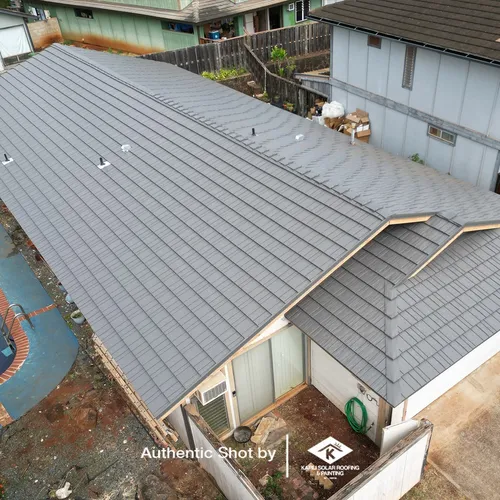
Kapili Roofing & Painting
94-221 Leonui St, Waipahu, HI 96797
Kapili Roofing & Painting is a licensed and insured roofing contractor serving Honolulu, HI. They specialize in roof installation, replacement, leak repair, metal roofing including standing seam, roof inspections, and certification services. The company holds certifications from leading manufacturers such as GAF and CertainTeed, ensuring expert installation and warranty-backed work. Kapili Roofing & Painting also assists clients with HOA approval processes and coordinates with solar panel removal and reinstallation when needed. Their services include roof coating applications to extend roof lifespan, tailored to Hawaii's unique climate conditions.
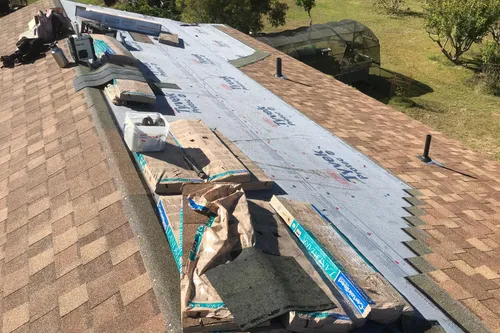
Oahu Roofing & Repairs Honolulu
1138 Kamaile St #3, Honolulu, HI 96814
Oahu Roofing & Repairs Honolulu offers comprehensive residential and commercial roofing services in Honolulu, HI, and across the island of Oahu. Their expertise includes roof repair, replacement, new installations, leak detection, waterproofing, and roof inspections. They handle various roof types such as shingle, tile, metal, and standing seam, and specialize in commercial, hotel, and condo roofing projects. With over 25 years of experience, the company employs dedicated crews for both residential and commercial work, ensuring tailored service for each project. They provide 24/7 emergency roofing services and assist with insurance claims to support clients during urgent repairs.

Inspect Hawaii
568 Portlock Rd, Honolulu, HI 96825
Inspect Hawaii provides comprehensive home inspection services in Honolulu, HI, specializing in roof inspections and certifications. The company uses advanced tools such as drone technology to capture aerial photos of roofs, allowing for detailed assessments without physical roof access. Their inspections cover roofs, attics, crawl spaces, plumbing, electrical systems, heating and cooling, kitchens, bathrooms, bedrooms, foundations, and flooring. Inspect Hawaii also includes an Environmental Report to check for known contamination sites. The business offers a unique 90-90-90 guarantee, which includes a free follow-up inspection within 90 days and a 90-day warranty on specific mechanical and structural components. They serve a wide range of property types including luxury homes, condos, townhomes, and multi-family properties.
What a Professional Roof Inspector Evaluates in East Honolulu
A comprehensive roof assessment in our coastal community examines both the exterior and interior components of your roofing system, with a keen eye for issues exacerbated by the tropical climate.
Exterior Examination
The inspector will carefully walk the roof perimeter and, when safe, the roof surface itself to check for:
- Material Integrity: For clay or concrete tile roofs, inspectors look for cracked, broken, or dislodged tiles. Metal roofs are scrutinized for corrosion, loose seams, and missing or damaged fasteners, which are highly susceptible to salt spray. Asphalt shingle roofs are checked for curling, blistering, and significant granule loss in gutters, which accelerates under intense UV exposure.
- Flashings and Penetrations: This includes the metal or rubber seals around vents, pipes, chimneys, and where the roof meets walls (step flashing). Dry, cracked, or rusted flashings are a primary source of leaks.
- Gutter and Drainage Systems: Clogged or sagging gutters can cause water to back up under roofing materials or lead to foundation issues. Inspectors also check for proper drainage away from the home.
- Biological Growth: The damp, shaded areas of a roof are prone to algae, moss, and lichen growth, which can retain moisture and degrade roofing materials over time.
- Fascia and Soffits: These wooden components are checked for rot, pest damage, and to ensure adequate ventilation intake is present and unobstructed.
Interior & Attic Inspection
The evaluation continues inside the attic, a crucial step often missed in casual checks.
- Structural Decking: The inspector looks for signs of sagging, water stains, or rot on the underside of the roof deck.
- Ventilation: Proper attic ventilation is paramount in Hawaii's humidity. Inspectors assess the balance of intake (soffit vents) and exhaust (ridge or gable vents) to prevent condensation, which leads to mold, mildew, and wood rot.
- Evidence of Leaks: Active water intrusion, dark stains, or mold growth on rafters or insulation are clear red flags1.
- Insulation: While not the primary focus, the condition and placement of insulation can impact roof performance and home energy efficiency.
Common Roof Types and Their Local Vulnerabilities
East Honolulu homes feature a variety of roofing materials, each with its own maintenance profile.
- Tile Roofs (Clay/Concrete): Prized for durability and aesthetics, their main issues are cracked tiles from impact or settling and broken underlayment that can be hidden beneath the tiles. In high-wind zones, ensuring tiles are properly secured is vital.
- Metal Roofs (Standing Seam, Corrugated): Excellent for rain runoff, but coastal salt air is their biggest enemy, leading to corrosion, especially at seams and fastener points. Inspectors also listen for loose panels that may "oil can" or pop in the wind.
- Asphalt Composite Shingles: The most common type nationally, these have a shorter lifespan in tropical sun and heat. Inspectors look for UV degradation signs like curling edges, loss of protective granules, and brittleness2 3.
Levels of Roof Inspection: Basic vs. Detailed
Not all roof evaluations are the same. The scope should match your needs, whether for routine maintenance, pre-purchase due diligence, or diagnosing a persistent problem.
Standard Visual Inspection
This is the most common type, often included in a full home inspection or offered as a standalone service. It involves a visual assessment of the roof's exterior from the ground, ladder, and walkable surfaces, plus an interior attic check. It aims to identify obvious major defects like missing materials, significant leaks, or structural concerns. This provides a good general overview of the roof's condition.
Advanced or Diagnostic Inspection
This more thorough investigation employs technology and deeper analysis for older homes, complex roof designs, or suspected hidden damage.
- Infrared/Thermal Imaging: Special cameras detect temperature differences to find moisture trapped within the roof deck or insulation that isn't visible to the naked eye.
- Moisture Meter Testing: Probes are used to quantify moisture levels in roofing materials and sheathing.
- Drone-Assisted Inspection: For steep, high, or delicate roofs, drones provide safe, close-up visual access to all areas without foot traffic.
- Detailed Structural Analysis: A closer look at rafters, trusses, and connections for any signs of stress, movement, or insect damage.
Find the perfect roof inspectors for your needs
Get personalized recommendations and expert advice
Understanding Roof Inspection Costs in East Honolulu
Investment in a professional evaluation varies based on the inspection's depth, the roof's size and complexity, and the property's location. It's important to view this cost as preventative maintenance that can save thousands in future repairs.
- Basic Roof-Only Inspection: A focused exterior and attic check can range from $200 to $400. Some roofing contractors may offer this for free if you are considering repair work, though their scope may be limited 4.
- Comprehensive Home Inspection (Including Roof): On Oahu, a full home inspection that includes a standard roof assessment typically averages between $600 and $900+, depending on the home's square footage and age5 6.
- Detailed/Advanced Roof Inspection: When specialized tools like infrared cameras or drones are required, prices generally start at $400 and can exceed $800, reflecting the higher level of expertise and technology involved7 8.
Always request a detailed sample report and ensure the inspector is properly licensed and insured in Hawaii. A quality report will include clear photographs, descriptions of any issues found, and recommendations for repair or monitoring.
The Critical Impact of Hawaii's Climate on Your Roof
A competent inspector in East Honolulu will always contextualize their findings within our local environment:
- Sun & Heat: Constant UV radiation breaks down asphalt binders, fades materials, and causes thermal expansion and contraction that can weaken fasteners and flashings over decades.
- Heavy Rain & Humidity: Torrential rain tests the waterproofing integrity of every seam and valley. High humidity, combined with poor attic ventilation, is a leading cause of interior condensation and mold growth 9.
- Salt Spray: For homes in Makapu'u, Hawaii Kai, or near the coast, salt is a relentless corrosive agent, particularly on metal roofs, flashings, nails, and fasteners, accelerating rust and failure 10.
Scheduling a periodic roof evaluation, especially before and after the rainy season or if you notice any warning signs, is one of the most prudent steps you can take as a Hawaii homeowner. The insights gained provide a clear roadmap for maintenance, help you budget for future repairs, and ultimately extend the life of your roof against the island elements.
Frequently asked questions
Sources
Footnotes
-
Home Inspection Red Flags: Foundation Issues You Can't Ignore - https://calprogroup.com/blog/what-is-the-biggest-red-flag-in-a-home-inspection/ ↩
-
Roof Inspection Checklist for Residential Shingle Roofs ... - https://www.iko.com/blog/roof-inspection-checklist/ ↩
-
Roof Inspection Guide 2025 | Hulsey Roofing Co. - https://hulseyroofingstl.com/2025/04/roof-inspections-all-you-need-to-know/ ↩
-
How Much Does a Roof Inspection Cost in Phoenix, Arizona - https://phoenixroofingandrepair.com/roof-inspection-cost/ ↩
-
The Roof - DIAMOND HEAD HOME INSPECTIONS - https://www.diamondheadhomeinspections.com/theroof/inspectionsinsights/homeinspections/honolulu/oahu ↩
-
Home Inspectors Hawaii - New Developments on Oahu - https://realhawaii.co/blog/home-inspector-hawaii ↩
-
How Much are Roof Inspections? #1 Guide for Ultimate Results - https://goliniroofing.com/how-much-are-roof-inspections/ ↩
-
How Much Does A Roof Inspection Cost? (2025 Guide) - https://armourconstruction.net/blog/roof-inspection-cost/ ↩
-
What do home inspectors look for? 6 key things - Bankrate - https://www.bankrate.com/real-estate/what-the-home-inspector-is-looking-for/ ↩
-
- Roof Inspection - Signature Inspections Hawaii, LLC - https://www.signatureinspectionshawaii.com/services/roof-inspection/