Find the Best Roof Inspectors for Your Business
No obligation • Fast responses • Nationwide coverage

Why you can trust Roof Lists
Roof Lists is a leading U.S. resource for finding and comparing roofing contractors. Our team researches providers, reviews customer feedback, and publishes clear, unbiased information. Companies cannot pay to change rankings or our editorial opinions.
Search providers near you
Best Roof Inspectors in Hawaii Ranked
Hawaii's breathtaking beauty comes with a demanding tropical climate that places unique stress on residential roofs. The combination of intense sun, salt air, high humidity, and seasonal storms accelerates wear and tear, making regular professional roof assessments not just a recommendation but a necessity for protecting your home. A thorough roof inspection in Hawaii is the first line of defense against costly, hidden damage, helping homeowners identify and address issues like corrosion, mold, and wind damage before they lead to major repairs or interior damage. Understanding the local factors and recommended inspection schedule is key to maintaining a durable, long-lasting roof over your island home.
Diamond Head Home Inspections
4348 Waialae Ave #644, Honolulu, HI 96816
Diamond Head Home Inspections provides roof inspection and certification services in Honolulu, HI. The company offers detailed and comprehensive home inspection reports to help clients make informed decisions when purchasing a home. With over 1,530 five-star reviews, they are recognized for thorough inspections that include photo documentation and clear explanations. Diamond Head Home Inspections is committed to supporting clients throughout the inspection process, ensuring transparency and understanding.

Coastal Home Solutions
1001 Kamokila Blvd Ste 115, Kapolei, HI 96707
Coastal Home Solutions is a home inspection company based in Honolulu, HI, serving the entire island of Oahu. They provide comprehensive residential and commercial property inspections, including roof inspections and certifications, foundation evaluations, and mold inspections using tools like IR thermal cameras and moisture meters. Founded in 2020, their certified inspectors hold ASHI or InterNACHI credentials and bring years of trade experience combined with ongoing training to stay current with industry standards.
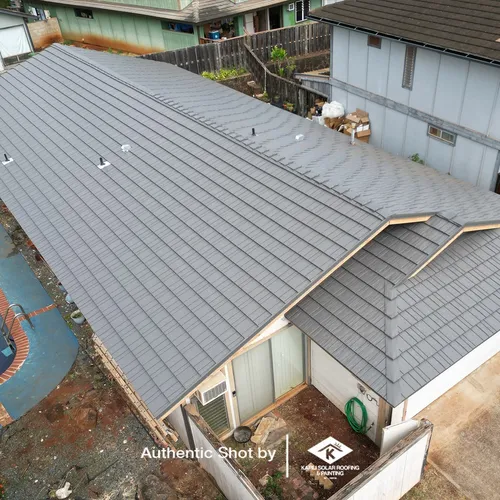
Kapili Roofing & Painting
94-221 Leonui St, Waipahu, HI 96797
Kapili Roofing & Painting is a licensed and insured roofing contractor serving Honolulu, HI. They specialize in roof installation, replacement, leak repair, metal roofing including standing seam, roof inspections, and certification services. The company holds certifications from leading manufacturers such as GAF and CertainTeed, ensuring expert installation and warranty-backed work. Kapili Roofing & Painting also assists clients with HOA approval processes and coordinates with solar panel removal and reinstallation when needed. Their services include roof coating applications to extend roof lifespan, tailored to Hawaii's unique climate conditions.
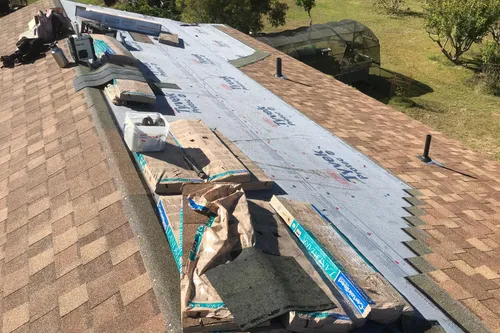
Oahu Roofing & Repairs Honolulu
1138 Kamaile St #3, Honolulu, HI 96814
Oahu Roofing & Repairs Honolulu offers comprehensive residential and commercial roofing services in Honolulu, HI, and across the island of Oahu. Their expertise includes roof repair, replacement, new installations, leak detection, waterproofing, and roof inspections. They handle various roof types such as shingle, tile, metal, and standing seam, and specialize in commercial, hotel, and condo roofing projects. With over 25 years of experience, the company employs dedicated crews for both residential and commercial work, ensuring tailored service for each project. They provide 24/7 emergency roofing services and assist with insurance claims to support clients during urgent repairs.
Unlimited Home Services
Honolulu, HI
Unlimited Home Services is a locally owned roofing company based in Honolulu, HI, serving Oahu, Maui, Kauai, and the Big Island. They specialize in roof installation, replacement, leak repair, and roof inspections, working closely with insurance companies to assist clients in obtaining approvals for roof replacements. Their team offers free roof assessments and coordinates with insurance adjusters to ensure proper coverage. Unlimited Home Services also handles interior damage related to roofing issues and solar panel removal. They have experience managing claims related to wind and wildfire damage and provide services for both residential and commercial properties.
Why Hawaii's Climate Demands Vigilant Roof Care
Hawaii's environment is uniquely challenging for building materials. The constant exposure to ultraviolet (UV) radiation, moisture-laden trade winds carrying salt spray, and the potential for heavy rain and high winds during storm season create a perfect storm for roof degradation. Unlike more temperate climates, where a roof might be inspected every few years, the conditions here can cause significant damage in a much shorter timeframe. Proactive maintenance, starting with a detailed inspection, is the most effective way to extend your roof's lifespan and avoid unexpected failures.
The primary environmental threats include:
- Salt Corrosion: Ocean breezes deposit microscopic salt particles that cling to roofing surfaces. This is especially damaging to metal roofs, flashings, and fasteners, causing accelerated rust and corrosion that can compromise structural integrity.
- UV Degradation: The relentless tropical sun causes roofing materials like asphalt shingles to become brittle, fade, and crack over time, reducing their effectiveness at shedding water.
- Mold, Mildew, and Rot: Consistently high humidity provides an ideal breeding ground for organic growth. This can lead to wood rot in the roof decking and structural supports, as well as issues with indoor air quality 1.
- Wind and Debris Damage: Hurricane season and strong trade winds can lift shingles or metal panels and send debris flying, causing immediate physical damage that may not be visible from the ground 2.
- Blocked Drainage: Frequent, heavy downpours can quickly clog gutters and downspouts with leaves and organic debris, leading to water backup under roofing materials and potential leaks.
Recommended Inspection Frequency for Hawaii Homes
Given these harsh conditions, a standard annual inspection often isn't enough. Local roofing experts and contractors strongly recommend a more frequent schedule to stay ahead of problems.
- Semi-Annual Professional Inspections: The best practice is to have your roof professionally inspected at least twice a year. Ideal times are in the spring (to prepare for the warmer, drier summer) and in the fall (to ensure the roof is ready for the wetter winter and potential storm season) 3. This bi-annual check allows professionals to spot minor issues before they escalate.
- Post-Storm Inspections: Always schedule a professional inspection immediately following any major weather event, such as a tropical storm, hurricane, or period of exceptionally high winds. Damage from wind uplift or flying debris can be subtle and easily missed from a ground-level view 4.
- Monthly Homeowner Visual Checks: Between professional visits, homeowners should perform a simple ground-level visual check. Look for obvious signs like missing or cracked shingles, piles of granules in gutters, visible sagging, or debris accumulation. Remember, these checks are complementary and do not replace the need for a trained expert to conduct a hands-on (or drone-assisted) assessment.
What a Professional Roof Inspection in Hawaii Entails
A comprehensive roof inspection by a qualified local contractor goes far beyond a simple glance. It should be a meticulous process resulting in a clear, actionable report.
A thorough inspection typically includes:
- Exterior Roof Surface Examination: The inspector will check all roofing materials (shingles, tiles, metal panels) for cracks, curling, blistering, rust, or loss of protective coating. They will also inspect flashings around chimneys, vents, and valleys, as these are common leak points vulnerable to corrosion.
- Structural Assessment: The inspector looks for signs of sagging, uneven roof planes, and checks the condition of fascias, soffits, and eaves for rot or pest damage.
- Attic Inspection (if accessible): This critical step involves checking for proper ventilation, signs of water intrusion or staining on the underside of the roof deck, and adequate insulation. Thermal imaging can be particularly useful here to find hidden moisture.
- Drainage System Check: Gutters and downspouts are examined for proper alignment, secure attachment, and blockages. Proper water flow away from the foundation is verified.
- Detailed Documentation: A quality inspection concludes with a detailed written report, supported by digital photographs. This report should clearly note the current condition, any existing damage, and provide a prioritized plan for any necessary maintenance or repairs 5 6.
Find the perfect roof inspectors for your needs
Get personalized recommendations and expert advice
Understanding Roof Inspection Costs in Hawaii
The cost of a residential roof inspection in Hawaii varies based on several factors, including the home's size, roof pitch, accessibility, and the type of inspection performed. On average, homeowners can expect the following ranges 7:
- Standard Visual Inspection: Typically costs between $100 and $400. This involves a hands-on, physical inspection of the roof surface, flashings, gutters, and accessible attic space.
- Drone-Assisted Inspection: Often ranges from $150 to $450. Drones provide a safe and efficient way to inspect steep, high, or otherwise difficult-to-access roofs, capturing high-resolution imagery.
- Infrared/Thermal Inspection: Can cost between $400 and $600. This technology detects temperature variations to identify hidden problems like moisture intrusion, missing insulation, or leaks that are not visible to the naked eye.
It's common for local roofing contractors to offer a free basic inspection if you are seeking an estimate for repair or replacement work. If you need a roof certification for a real estate transaction or insurance purposes-which includes an estimate of the roof's remaining lifespan-this usually incurs an additional fee, generally between $75 and $200 8 9.
Choosing the Right Roofing Professional in Hawaii
Selecting a qualified inspector is crucial. Look for a licensed, insured, and locally experienced contractor who understands the specific challenges of Hawaii's climate. They should be familiar with the best roofing materials for the islands, such as standing seam metal, clay tile, or specially formulated asphalt shingles designed for high UV and wind resistance 10 11 12. Always request references and ensure they provide the detailed, photo-supported report that is the hallmark of a thorough inspection. This report becomes your roadmap for maintenance and a valuable record for your home.
Frequently asked questions
Sources
Footnotes
-
How Salt Air and Humidity Damage Roofs in Hawaii - https://www.kapiliroof.com/blog/how-salt-air-and-humidity-damage-roofs-in-hawaii-and-how-to-protect-yours ↩
-
Hawaii Roofing Tips & Solutions in 2025 - https://fbc-hawaii.com/blogs ↩
-
How Often Should You Inspect Your Roof? - https://www.rcroofingllc.com/blog/how-often-should-you-inspect-your-roof ↩
-
How Often Should You Inspect Your Roof? | AmeriPro Roofing - https://www.ameriproroofing.com/blog/how-often-for-roof-inspection/ ↩
-
Optimal Roofing Solutions for Hawaii's Tropical Climate - https://www.kapiliroof.com/blog/hawaii-climate-roof-decisions ↩
-
ROOF MAINTENANCE - HIePRO - https://hiepro.ehawaii.gov/resources/105378/Scope%20of%20Work_HSPLS%20Roof%20Maintenance.pdf ↩
-
How Much Is a Roof Inspection | Cost Guide 2025 - https://garlock-french.com/blog/how-much-is-a-roof-inspection/ ↩
-
Roof Inspection Cost In 2025 (Types, Factors...) - https://embrysroofing.com/blog/roof-inspection-cost/ ↩
-
2025 Roof Inspection Cost | Certification & Report Prices - HomeGuide - https://homeguide.com/costs/roof-inspection-cost ↩
-
What Are The Best Roofing Materials For Hawaii Homes? - https://www.kapiliroof.com/blog/what-are-the-best-roofing-materials-for-hawaii-homes ↩
-
What is the Best Roof for Extreme Weather in Honolulu? - https://honoluluroofingcontractorservice.com/what-is-the-best-roof-for-extreme-weather-in-honolulu/ ↩
-
Metal Roofing vs. Asphalt Shingle Roofing in Tropical Climates - https://www.islandmetals.com/blog/metal-roofing-vs-asphalt-shingle-roofing-in-tropical-climates ↩