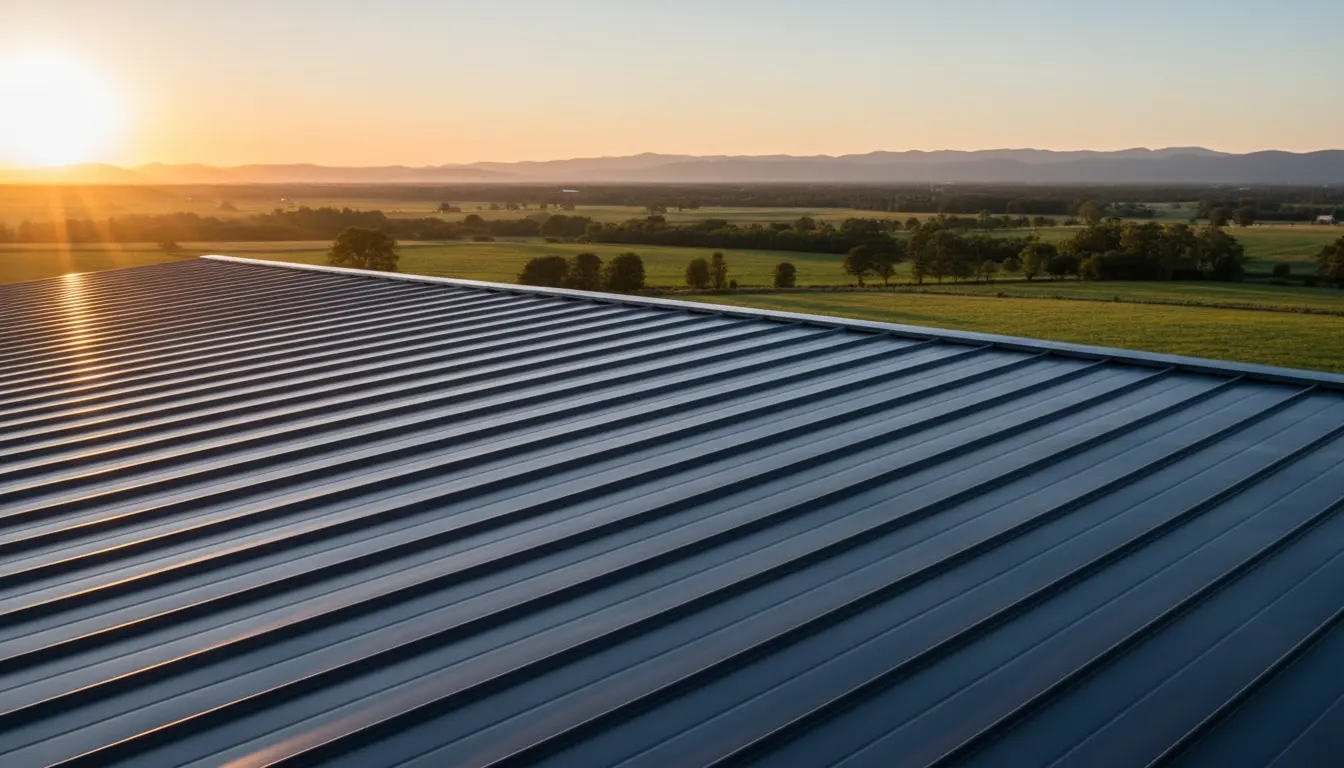
Find the Best Metal Roofing Companies for Your Business
No obligation • Fast responses • Nationwide coverage

Why you can trust Roof Lists
Roof Lists is a leading U.S. resource for finding and comparing roofing contractors. Our team researches providers, reviews customer feedback, and publishes clear, unbiased information. Companies cannot pay to change rankings or our editorial opinions.
Search providers near you
Top Metal Roofing Companies in Lakewood, New Jersey Ranked
For New Jersey homeowners and property managers, selecting a roofing material is a critical decision that must account for the state's unique and often demanding climate. From the heavy snow loads of Northwest Jersey to the high winds and salt spray along the coast, your roof is your first line of defense. Metal roofing has emerged as a premier choice for its exceptional durability, longevity, and performance in these harsh conditions. While the initial investment is typically higher than traditional asphalt shingles, the long-term benefits-including a potential lifespan of 50 years or more, superior weather resistance, and energy efficiency-present a compelling value proposition. This guide will explore the specifics of metal roofing systems suitable for New Jersey, helping you understand your options, the critical installation factors, and what to expect from this long-term investment.
All County Exteriors
560 Cross St, Lakewood, NJ 08701
All County Exteriors is a family-owned exterior remodeling company serving Lakewood, NJ, and the surrounding Central New Jersey area. With over 40 years of experience, they specialize in roofing installation, replacement, repair, and inspection, working with premium brands like GAF and holding certifications such as GAF Master Elite Contractor. Their services include metal roofing and standing seam options, backed by comprehensive manufacturer and labor warranties. The company is also known for its involvement in local community organizations and commitment to quality craftsmanship.
Toms River Integral Roofing
72 NJ-35 #112, Neptune City, NJ 07753
Toms River Integral Roofing is a roofing contractor serving Lakewood, NJ, specializing in roof installation, replacement, and repair. The company offers services including roof inspections, leak repairs, metal roofing with standing seam capabilities, and roof certification. Customers have noted their experience with full roof replacements, gutter installations, and storm damage repairs. The team is known for detailed project management and attention to roofing components such as ridge vents and attic ventilation options. With over 12 years of experience, Toms River Integral Roofing has built a history of working on multiple roof replacements and repairs in the area.
Hazlet TS Roofing and Siding
New York, NY
Hazlet TS Roofing and Siding is a roofing contractor based in New York, NY, specializing in roof installation, replacement, and repair services. They provide metal roofing solutions, including standing seam metal roofs, and handle roof leak repairs with precision and quality tools. The company serves multiple locations in New Jersey, including Old Bridge, Middletown Township, and Long Branch, among others. Hazlet TS Roofing and Siding emphasizes skilled workmanship and access to quality roofing supplies through established supplier relationships.
Monmouth County Roofing
98 Seattle Slew Dr, Howell Township, NJ 07731
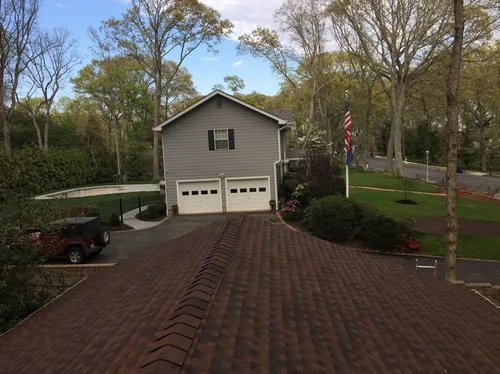
Monmouth County Roofing is a roofing contractor based in Lakewood, NJ, specializing in roof installation, replacement, and repair services. They serve both residential and commercial clients in the area, offering expertise in metal roofing, including standing seam, as well as torch down and rubber roofing. The company has experience handling complex roof repairs and provides detailed project reports to clients. Customers have noted their ability to complete roof repairs and installations efficiently and with attention to detail.
Randy's Roofing Construction
New York, NY
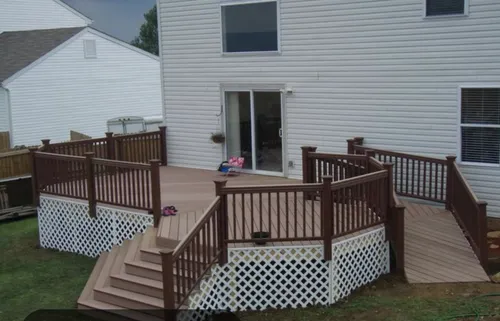
Randy's Roofing Construction provides comprehensive home exterior services in New York, NY, including roofing installation, replacement, and repair, as well as siding, chimney, gutter, and deck work. They specialize in metal roofing with standing seam options and offer solutions designed to withstand the East Coast weather. With 13 years of experience, Randy's Roofing Construction serves residential and commercial properties, delivering durable and weather-resistant results. The company also offers emergency roofing repairs and uses on-site gutter fabrication with advanced filtering systems to enhance performance.
Why Metal Roofing Excels in New Jersey's Climate
New Jersey's weather presents a full spectrum of challenges for any building exterior. Metal roofing is uniquely equipped to handle these demands, offering advantages that directly address the state's specific environmental stressors.
- Wind and Storm Resistance: Modern metal roofing systems, particularly standing seam profiles, are engineered to withstand winds well over 140 mph. Their interlocking panels provide superior uplift resistance compared to individual shingles, which is crucial during the nor'easters and severe thunderstorms common in NJ.
- Snow and Ice Management: Metal roofs have a hard, slick surface that encourages snow to slide off once it accumulates to a certain point, reducing the risk of excessive weight load (a key concern in North Jersey) and ice dam formation that can lead to water infiltration.
- Coastal Durability: For homes near the Jersey Shore, corrosion from salt air is a major concern. Aluminum metal roofing is naturally rust-resistant and performs exceptionally well in coastal environments, offering long-term protection where other materials may degrade faster.
- Energy Efficiency: New Jersey experiences hot, humid summers. Many metal roofs come with reflective pigment coatings that can significantly reduce heat absorption, lowering attic temperatures and helping to reduce cooling costs.
- Longevity and Impact Resistance: A properly installed metal roof can last 50+ years with minimal maintenance, far outlasting asphalt shingle roofs. It also offers excellent resistance to hail damage and fire, contributing to home safety and potentially lowering insurance premiums 1.
Popular Metal Roofing Styles and Materials
Metal roofing is not a one-style-fits-all product. The aesthetic and performance characteristics vary significantly between the two main profile categories and the materials used.
Primary Roofing Profiles
- Standing Seam: This is the most recognizable commercial and modern residential metal roof. It features vertical panels with raised seams that fasten above the weather plane. The concealed fastener system eliminates penetration points on the flat panel surface, enhancing waterproofing. Standing seam roofs are excellent for shedding water and snow and are ideal for handling New Jersey's high wind and snow loads due to their structural integrity.
- Metal Shingles or Tiles: Designed for homeowners who desire the benefits of metal but prefer a more traditional aesthetic, these systems mimic the look of slate, wood shake, or clay tile. They offer the same durability and longevity as standing seam but with a classic curb appeal that suits a wider variety of architectural styles, from Colonial to Cape Cod.
Common Metal Materials
- Steel: The most common and cost-effective metal roofing material. It is typically coated with a zinc-aluminum alloy (Galvalume®) or a galvanized coating for rust prevention, followed by a durable paint finish. It offers excellent strength and durability for the price 2.
- Aluminum: A premium choice known for its lightweight nature and exceptional corrosion resistance, making it the go-to material for coastal properties in New Jersey. While generally more expensive than steel, it won't rust, which is a critical advantage near the ocean 3 4.
- Copper & Zinc: These are premium, natural metals that offer a distinct, elegant appearance and extreme longevity (often 100+ years). They develop a protective patina over time. The cost is significantly higher, but they represent a lifetime investment 5 6.
Navigating New Jersey Codes and Installation Standards
A metal roof is only as good as its installation. New Jersey's building codes, based on the International Residential Code (IRC), include specific requirements for roofing assemblies that contractors must follow.
- Material and Testing Standards: The NJ code references standards like UL 790/ASTM E108 for fire resistance (Class A, B, or C ratings) and mandates minimum thicknesses (gauges) for metal panels and flashings to ensure structural integrity.
- Roof Slope Requirements: Metal roofing requires a minimum slope to ensure proper water drainage. The code specifies these minimums (e.g., for certain types, a quarter-inch vertical rise per foot of horizontal run) 7 8. A qualified installer will ensure your roof design meets or exceeds these requirements.
- Specialized Installation: Installing a metal roof is a specialized trade. It requires knowledge of proper fastener placement, expansion and contraction accommodation, sealing of seams and penetrations, and integration with drainage systems like gutters and downspouts. Improper installation can lead to leaks, noise, and premature failure 9. Always verify a contractor's specific experience with metal roofing systems.
Find the perfect metal roofing companies for your needs
Get personalized recommendations and expert advice
Understanding the Investment: Costs and Value
The cost of a metal roof in New Jersey is influenced by a complex matrix of factors. While upfront costs are higher than asphalt, the total cost of ownership over decades often tells a different story.
- Cost Factors: The final price depends on your roof size and complexity (multiple valleys, dormers, and steep pitch increase labor), material choice (steel is more economical than aluminum or copper), profile type (standing seam often costs more than shingle-style), and the quality of underlayment and accessories. Local permit fees and the cost of removing an existing roof also contribute.
- Pricing Ranges: While every project is unique, commercial metal roofing projects in New Jersey can often range from $12 to $20 or more per square foot installed 10 11. Residential projects vary widely but generally command a premium over standard asphalt shingle replacements. It's essential to get detailed, itemized quotes from licensed contractors.
- Long-Term Value & ROI: The value of a metal roof is measured over its entire lifespan. Consider the 50+ year service life versus 15-25 years for asphalt, leading to fewer replacements 12. Factor in minimal maintenance, potential energy savings, and increased property resale value. When viewed as a multi-decade investment, the higher initial cost can be justified by significantly reduced lifetime costs and reliable protection 13 14.
Choosing the Right Contractor for Your NJ Metal Roof
Given the specialization required, selecting your installer is as important as selecting the material.
- Seek Specific Experience: Ask how many metal roofing projects the company completes annually. Request references and photos of past metal roof installations.
- Verify Licensing and Insurance: Ensure the contractor is licensed to work in New Jersey and carries both liability and workers' compensation insurance.
- Review the Quote in Detail: A professional quote should detail the scope of work, specific product manufacturers and profiles, gauge/material type, underlayment, warranty information (both manufacturer and workmanship), and a projected timeline.
- Understand the Warranty: Clarify what is covered by the manufacturer's material warranty versus the contractor's workmanship warranty. A reputable installer will stand behind their craft.
Frequently asked questions
Sources
Footnotes
-
Metal Roofing Repair & Installation Services in New Jersey - https://bycarls.com/roofing/metal-roofing/ ↩
-
Asphalt vs. Metal: Best Roofing Materials for New Jersey - https://naileditroofing.us/2025/05/08/asphalt-vs-metal/ ↩
-
Types of Metal Roofing Materials and Styles Explained - https://americanqualityremodeling.com/blog/types-of-metal-roofing-materials-and-styles/ ↩
-
Best Roofing Materials for New Jersey Homes - https://mandmroofingcorp.com/best-roofing-materials-for-new-jersey-homes-comparing-your-options/ ↩
-
NJ Metal Roofing Installation by More Core Construction - https://www.justroofit.com/types-of-roofing/metal-roofing.html ↩
-
How to Choose the Right Metal Roofing Style for Your Home - https://greenmetal.ca/how-to-choose-the-right-metal-roofing-style-for-your-home/ ↩
-
Chapter 9 Roof Assemblies: New Jersey UCC One - UpCodes - https://up.codes/viewer/new_jersey/irc-2021/chapter/9/roof-assemblies ↩
-
Chapter 9 Roof Assemblies: New Jersey Residential Code 2015 - https://up.codes/viewer/new_jersey/irc-2015/chapter/9/roof-assemblies ↩
-
Roofing Regulations in New Jersey - https://waynenjroofing.com/roofing-regulations-in-new-jersey-guidelines-for-your-roofer-in-2023-2024/ ↩
-
Metal Roof Cost in Parsippany | CKG Contractors Inc - https://ckgcontractors.com/blog/metal-roof-cost-parsippany/ ↩
-
Insights Into Commercial Roofing Costs for New Jersey Property ... - https://ckgcontractors.com/blog/insights-into-commercial-roofing-costs-for-new-jersey-property-owners/ ↩
-
How Long Does a Roof Last in New Jersey's Climate? - https://goldendragonroofing.com/how-long-does-a-roof-last-in-new-jerseys-climate/ ↩
-
The True Cost of Roof Replacement in New Jersey (Updated 2025 Guide) - https://njroofingcompany.com/the-true-cost-of-roof-replacement-in-new-jersey-2025/ ↩
-
Pros and Cons of Metal Roofing for New Jersey Homes - https://www.deeganroofing.com/pros-cons-metal-roofing-nj/ ↩