Find the Best Metal Roofing Companies for Your Business
No obligation • Fast responses • Nationwide coverage

Why you can trust Roof Lists
Roof Lists is a leading U.S. resource for finding and comparing roofing contractors. Our team researches providers, reviews customer feedback, and publishes clear, unbiased information. Companies cannot pay to change rankings or our editorial opinions.
Search providers near you
Top Metal Roofing Companies in Rochester, Minnesota Ranked
Choosing the right roofing material in Minnesota is a critical decision for any homeowner. The state's unique climate-with its heavy snow, ice dams, summer hail, and temperature extremes-demands a roof that is as resilient as it is long-lasting. Metal roofing has emerged as a premier choice, offering exceptional durability and performance tailored to these harsh conditions. This guide explores the benefits, types, costs, and essential considerations for installing a metal roof on a Minnesota home.
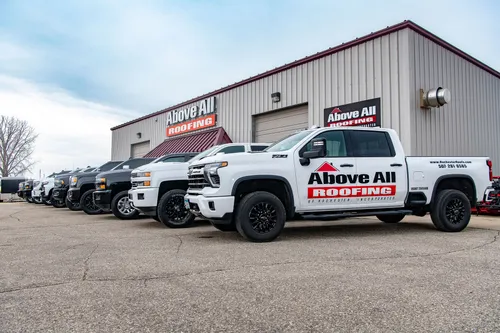
Above All Roofing
6889 10th Ave SW #1, Rochester, MN 55902
Above All Roofing is a locally owned and operated roofing company serving Rochester, MN, and surrounding communities. They provide a full range of roofing services for both residential and commercial properties, including roof installation, replacement, leak repair, and roof inspections. The company specializes in shingle and metal roofing, with expertise in standing seam metal roofs. With many team members having over 10 years of experience, Above All Roofing emphasizes quality craftsmanship and personalized service. They also assist customers with insurance claims to help manage roof damage repairs and replacements smoothly.
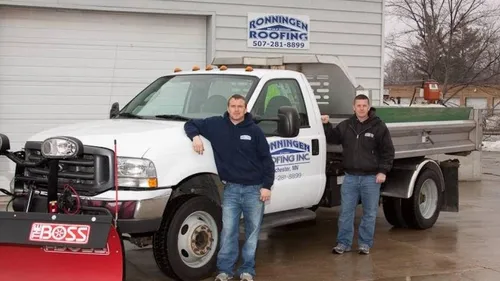
Ronningen Roofing
608 11th Ave NW, Rochester, MN 55901
Ronningen Roofing is a roofing contractor based in Rochester, MN, offering services including roof installation, replacement, repair, leak repair, metal roofing with standing seam, roof inspection, and certification. They serve both residential and commercial clients and have experience handling insurance claims related to roofing. The company is known for efficient roof replacements, metal roof installations, and thorough roof inspections. Customers have noted their professionalism and ability to manage complex roofing projects. Ronningen Roofing also provides additional repairs years after installation and collaborates with other contractors for related services.
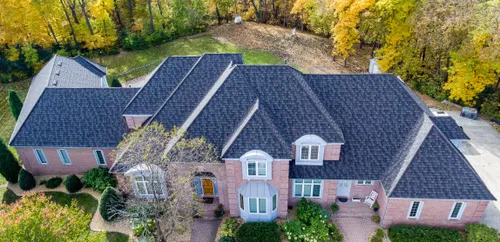
Heyn Brothers Roofing
6169 Rome Cir NW, Rochester, MN 55901
Heyn Brothers Roofing is a roofing contractor based in Rochester, MN, serving Southeast Minnesota, Southwest Minnesota, the Minneapolis suburbs, Sioux Falls, South Dakota, and Waterloo, Iowa. They specialize in roof installation, replacement, repair, leak repair, metal roofing including standing seam, roof inspections, and roof certification. The company handles both residential and commercial roofing projects, including storm damage restoration and complex roofing jobs. Heyn Brothers Roofing holds certifications from leading shingle manufacturers and offers a five-year workmanship warranty. With over 20 years in business, they provide flexible financing options and emphasize quality and durability in their roofing solutions.
Ryan Windows & Siding
3750 85th St NW, Oronoco, MN 55960
Ryan Windows & Siding is a licensed and insured contractor based in Oronoco, serving Rochester, MN, and the surrounding areas. They offer a wide range of exterior home improvement services including roofing installation and replacement, roof leak repairs, metal roofing with standing seam options, as well as window and door installations. Their roofing services cover both residential and commercial properties, providing durable solutions with professional installation. Ryan Windows & Siding also specializes in energy-efficient products such as Renewal by Andersen windows and doors, and they provide insulation services to help reduce energy costs. The company emphasizes quality workmanship and compliance with local building codes.
Minnesota's 1st Choice
315 Elton Hills Dr NW #300, Rochester, MN 55901
Minnesota's 1st Choice is a general contractor based in Rochester, MN, offering a wide range of home improvement services including roofing installation, replacement, and repair. They specialize in various roofing materials such as asphalt shingles, wood shingles, slate tiles, and metal roofing systems, including standing seam metal roofs. The company provides 24-hour emergency storm damage repair to address hail, wind, and debris damage promptly. With over 20 years of experience, Minnesota's 1st Choice serves Rochester and nearby areas, delivering professional craftsmanship and using high-quality materials for lasting results.
Why Metal Roofing Excels in Minnesota's Climate
Minnesota's weather presents specific challenges that traditional asphalt shingles can struggle to withstand over time. A metal roof is uniquely suited to handle these demands, providing superior protection and long-term value.
- Extreme Cold and Snow Loads: Metal panels are incredibly strong and shed snow efficiently due to their smooth, slippery surface. This reduces the risk of structural stress from accumulated snow and helps prevent ice dams from forming at the eaves, a common issue in Minnesota winters 1.
- Hail and Wind Resistance: Many metal roofing systems carry a Class 4 impact rating, the highest available, making them highly resistant to damage from summer hailstorms. Their interlocking panels also provide excellent wind resistance, crucial for withstanding the strong gusts common across the state.
- Energy Efficiency: Metal roofs can be coated with reflective pigments that deflect solar radiant heat. This can significantly lower attic temperatures and reduce cooling costs during Minnesota's humid summers, contributing to a more comfortable and energy-efficient home.
Popular Metal Roofing Types for Minnesota Homes
Not all metal roofs are the same. The style and material you choose will affect the roof's appearance, performance, and cost. The two primary systems are well-suited for residential properties.
Standing Seam Roofing
This system features vertical panels with raised seams that interlock mechanically above the roof deck. It's considered the premium option for residential homes.
- Benefits: The concealed fasteners and raised seams eliminate leak paths, making it exceptionally watertight. The smooth surface is optimal for shedding snow and ice. Its clean, modern lines offer a distinctive look with unmatched durability 2.
- Best For: Homeowners seeking maximum longevity, minimal maintenance, and superior performance in heavy snow country.
Metal Shingles or Tiles (Stamped Metal)
These are individual panels stamped to mimic the appearance of traditional asphalt shingles, wood shakes, slate, or clay tiles.
- Benefits: Offers the durability of metal with a more traditional or rustic aesthetic. They provide excellent impact resistance and come in a wide variety of colors and styles to complement any home's architecture.
- Best For: Homeowners who desire the benefits of metal but prefer a classic residential look, especially for historic-style homes or neighborhoods with specific aesthetic guidelines.
Common Metal Materials
- Galvanized Steel: The most common and cost-effective option. It is coated with a layer of zinc (G90 coating is often specified by code) for corrosion resistance and is typically finished with a durable paint system 3 4.
- Aluminum: A lighter-weight option that offers natural corrosion resistance, making it a good choice for homes near bodies of water. It is generally more expensive than steel.
- Copper & Zinc: Premium, natural metals that develop a distinctive patina over time. They offer a centuries-long lifespan but come at a significantly higher material cost.
Understanding Minnesota Codes and Installation Standards
A proper installation is just as important as the material itself. In Minnesota, roofing work must adhere to the state's building codes, which are designed to ensure safety and durability.
- State Building Code: Installations must follow the 2020 Minnesota State Building Code, which incorporates International Residential Code (IRC) standards for roofing.
- Material Standards: The code mandates minimum material thicknesses and corrosion resistance. For example, steel sheet must meet specific galvanized coating standards to withstand Minnesota's moisture.
- Design for Climate: Proper design addresses critical local factors. This includes engineering for regional snow loads, installing ice and water shield barriers at the eaves and valleys to prevent ice dam water intrusion, and ensuring the roof assembly meets required fire classification ratings 5.
Find the perfect metal roofing companies for your needs
Get personalized recommendations and expert advice
Cost Analysis: Investment vs. Long-Term Value
The upfront cost of a metal roof is higher than that of an asphalt shingle roof. However, evaluating it as a long-term investment reveals its true value.
- Typical Cost Range: For an average Minnesota home (1,500 to 3,000 square feet), a professionally installed metal roof can range from roughly $10,000 for a smaller, simpler job to over $70,000 for a large, complex roof with premium materials. In the Minneapolis area, costs often average around $11 per square foot for materials and installation 6 7.
- Cost Factors: The final price is influenced by the roof's complexity (steep pitch, many valleys, skylights), the type of metal (steel vs. copper), the profile (standing seam vs. shingle), and the cost to remove and dispose of the old roof.
- Labor Intensity: Installation labor for metal roofing is more specialized and time-consuming than for asphalt shingles, which contributes to the higher cost. For example, labor on a 3,000 sq ft roof can be $8,000-$24,000 for metal versus $6,000-$10,500 for shingles 8 9.
The Long-Term Benefits and Savings
When viewed over the lifespan of the roof, metal roofing often proves to be a more economical choice.
- Exceptional Longevity: A quality metal roof can last 40 to 70 years or more, compared to the 15- to 20-year typical lifespan of asphalt shingles in Minnesota's climate. This means you may never need to replace your roof again.
- Life-Cycle Savings: While the initial investment is higher, the decades of service without replacement costs often make metal roofing cheaper over time. You avoid the recurring material and labor costs of multiple shingle replacements.
- Insurance and Energy Discounts: Many insurance companies offer policy discounts of 5% to 15% for homes with impact-resistant metal roofs due to their superior hail resistance 10 11. The energy savings from reduced summer cooling costs also add up year after year.
- Durability and Peace of Mind: The strongest benefit is the robust protection against Minnesota's worst weather, potentially reducing repair costs from storm damage and providing greater security for your home.
Choosing the Right Contractor
Given the complexity and importance of the installation, selecting an experienced contractor is paramount.
- Look for Specialization: Seek out roofers who specifically list metal roofing as a core service and can show examples of completed projects.
- Verify Licensing and Insurance: Ensure the contractor is properly licensed to work in Minnesota and carries both liability insurance and workers' compensation.
- Check References and Reviews: Ask for local references and read online reviews to gauge the contractor's reputation for quality and professionalism.
- Review the Warranty: Understand the warranties offered-both on the manufacturer's materials and the contractor's workmanship. A strong warranty is a sign of confidence in the product and installation.
Frequently asked questions
Sources
Footnotes
-
Minnesota Roofing: How Weather Impacts Material Choices ... - https://roofersofminnesota.com/about-us/blog/minnesota-roofing-how-weather-impacts-material-choices-maintenance ↩
-
Comparing Metal Roofing Systems for Minneapolis Homes - https://4ptco.com/comparing-metal-roofing-systems-minneapolis-comprehensive-guide/ ↩
-
2020 Minnesota Building Code - 1507.4.3 Material standards. - https://codes.iccsafe.org/s/MNBC2020P1/chapter-15-roof-assemblies-and-rooftop-structures/MNBC2020P1-Ch15-Sec1507.4.3 ↩
-
How to Choose the Best Roofing Materials for Minnesota's Climate ... - https://mwcrhomes.com/best-roofing-materials-for-minnesotas-climate/ ↩
-
TPO Roofing Installation Requirements for Minnesota Projects - https://allweatherroof.com/tpo-roofing-installation-requirements-for-minnesota-projects/ ↩
-
Metal Roofing for Minnesota Homes: Costs, Benefits, and ... - https://www.anchorroofingmn.com/metal-roofing-for-minnesota-homes-costs-benefits-and-what-to-expect/ ↩
-
Metal Roof Cost: Complete Breakdown By Size & Material - https://paccsolutions.com/blog/metal-roof-cost-per-sqft/ ↩
-
Metal Roofing Guide: Types, Costs, Pros and Cons, Maintenance - https://boelterisbetter.com/metal-roofing-guide/ ↩
-
How Much Does a Metal Roof Cost in Minneapolis, MN? - Angie's List - https://www.angi.com/articles/how-much-does-metal-roofing-cost/mn/minneapolis ↩
-
The Pros & Cons of Metal Roofing in Minnesota's Climate - https://www.minnesotametalexteriors.com/metal-roofing-in-minnesota/ ↩
-
Top 7 Metal Roofing Types for Minnesota and Wisconsin Homes - https://boldnorthroofing.com/blog/top-7-metal-roofing-types/ ↩