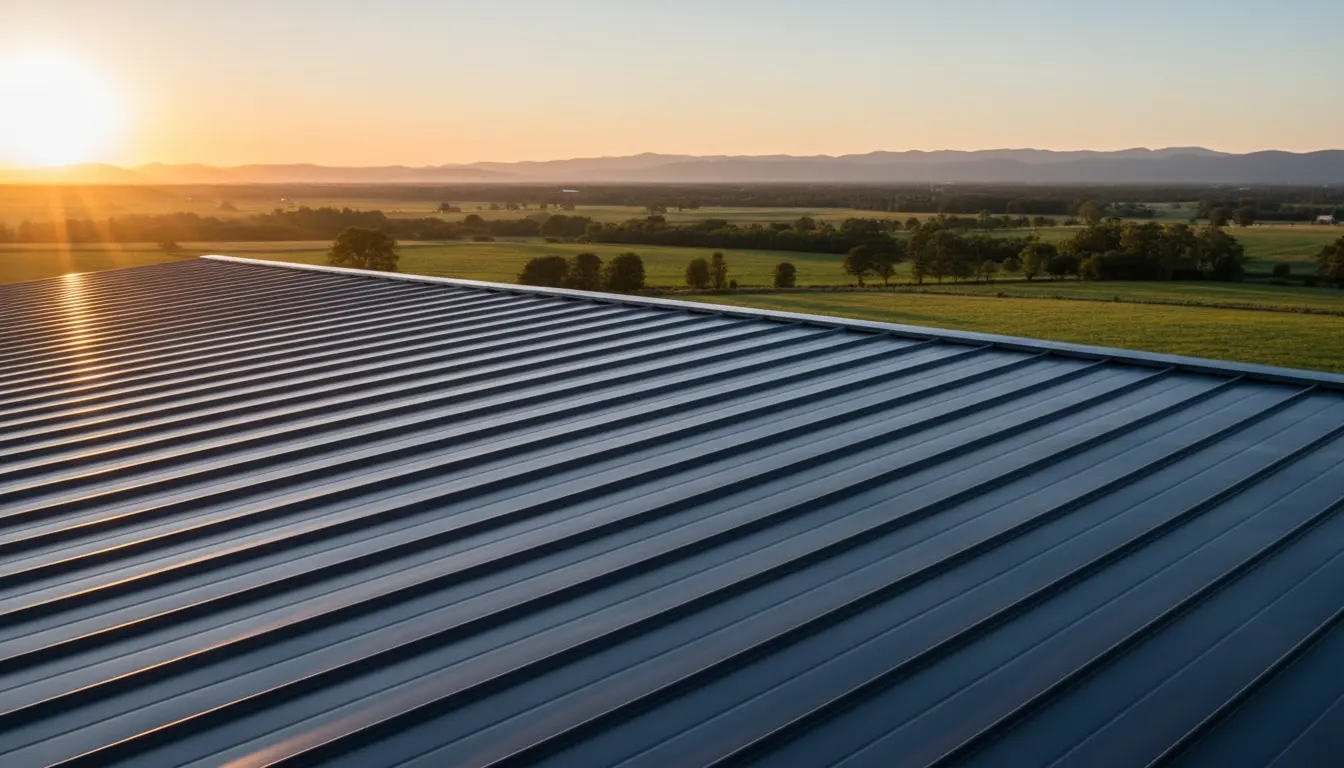
Find the Best Metal Roofing Companies for Your Business
No obligation • Fast responses • Nationwide coverage

Why you can trust Roof Lists
Roof Lists is a leading U.S. resource for finding and comparing roofing contractors. Our team researches providers, reviews customer feedback, and publishes clear, unbiased information. Companies cannot pay to change rankings or our editorial opinions.
Search providers near you
Top Metal Roofing Companies in Springfield, Massachusetts Ranked
Choosing the right roofing material for your Massachusetts home is a significant decision, one that must account for heavy snow, ice dams, coastal salt spray, and strong nor'easters. A metal roof offers a durable, long-lasting solution specifically engineered to thrive in these challenging New England conditions. While the initial investment is higher than traditional asphalt, the longevity, energy efficiency, and protective performance of a metal roof system can provide superior value over time. This guide covers the essential considerations for metal roofing in the Bay State, from material choices and costs to climate performance and state building codes.
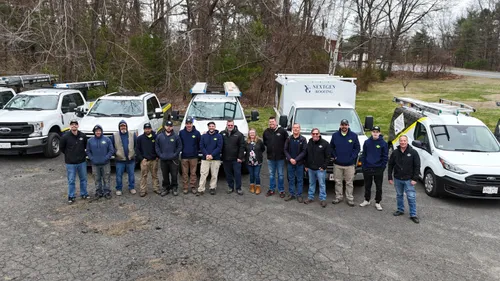
Nextgen Roofing
549 Southampton Rd, Westfield, MA 01085
Nextgen Roofing is a roofing contractor serving Springfield, MA, and the surrounding Pioneer Valley area. They specialize in residential roofing services including roof installation, replacement, repairs, inspections, and certifications. The company is a GAF Master Elite Certified roofer and offers a 50-year warranty on every roof they install. Nextgen Roofing has a strong focus on quality workmanship and uses high-quality materials such as standing seam metal roofing. As a family-run business, they bring local expertise and a commitment to meeting the specific needs of homes in Western Massachusetts.
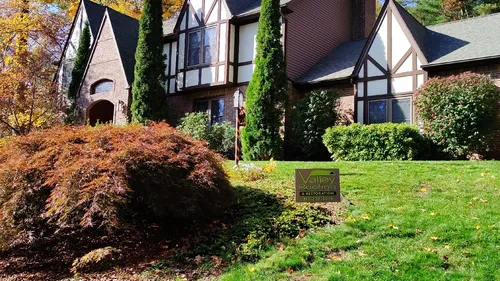
Valley Roofing and Restoration
143 Parker Ln, Ludlow, MA 01056
Valley Roofing and Restoration is a roofing contractor serving Springfield, MA, specializing in residential and commercial roofing installation, replacement, and repair. They offer services including roof inspections, leak repairs, and metal roofing with standing seam options. The company is known for handling new construction projects as well as storm damage repairs, with a focus on efficient and transparent service. Valley Roofing and Restoration provides a lifetime workmanship warranty and has a history of detailed roof replacements and upgrades under the leadership of owner Tom Morin.
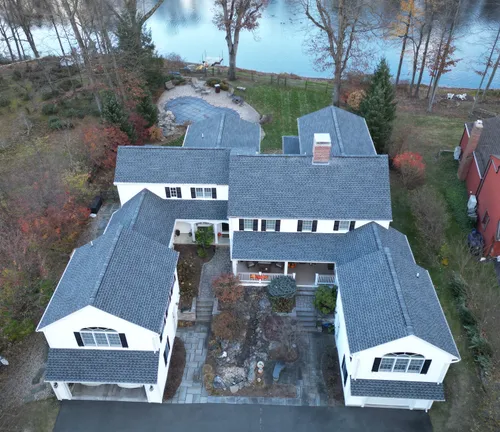
Connecticut Roofing Solutions
998 Farmington Ave, West Hartford, CT 06107
Connecticut Roofing Solutions is a licensed and insured roofing contractor based in Hartford, CT, serving homeowners throughout Connecticut. They specialize in residential roofing installation and replacement, including asphalt shingles, standing seam metal roofs, cedar shakes, and composite tiles. The company is a certified installer for major manufacturers such as GAF, CertainTeed, and James Hardie, ensuring quality workmanship backed by a 25-year workmanship warranty. With over 200 five-star reviews, they have a strong reputation for detailed craftsmanship and customer care. Their services also extend to siding and gutter installation, covering a wide range of exterior home improvement needs.
JP Carroll Roofing
20a Turnpike Industrial Rd, Westfield, MA 01085
JP Carroll Roofing is a roofing contractor based in Springfield, MA, serving residential and commercial clients in the area. Established in 1987, they provide a range of roofing services including installation, replacement, repair, maintenance, and roof inspections. Their expertise covers various roofing materials such as asphalt shingles, metal roofs, and flat roofs. The company also offers 24/7 emergency roofing services to address urgent issues promptly. With over three decades of experience, JP Carroll Roofing supports customers through thorough assessments and detailed cost analyses to help decide between roof repair and replacement.
Klaus Roofing Systems by J Smegal
258 Old Lyman Rd, South Hadley, MA 01075
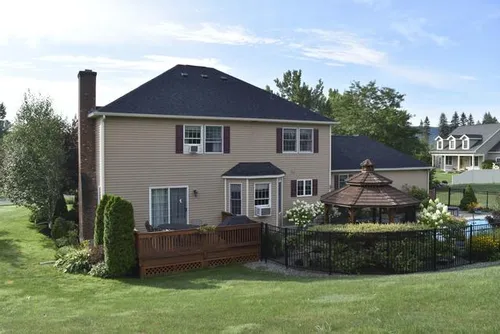
Klaus Roofing Systems by J Smegal is a family-run roofing contractor serving Springfield, MA, and surrounding areas in Massachusetts and Vermont. They provide roof repairs, replacements, inspections, and gutter installation, focusing on protecting homes from water damage and improving curb appeal. The company specializes in metal roofing, standing seam installation, and uses quality materials like Gutter Shutter Systems and Gutter Guard. Since 2010, Klaus Roofing Systems has served multiple counties including Berkshire, Franklin, Hampden, and Hampshire, offering services in cities such as Lenox, Pittsfield, and Westfield.
Why Choose Metal Roofing for Massachusetts Homes?
Massachusetts' climate presents unique challenges for any exterior building material. Metal roofing stands out as a resilient option due to its inherent properties and advanced engineering.
- Snow and Ice Management: The smooth, hard surface of metal panels allows snow to slide off more easily than on asphalt shingles. This helps prevent the heavy snow loads that can stress a roof structure and reduces the conditions that lead to ice dam formation at the eaves. It's important to note that proper attic insulation and ventilation are still critical to complement this feature. 1
- Exceptional Wind Resistance: Properly installed metal roofing systems are rated to withstand very high wind speeds, making them an ideal choice for coastal areas and regions prone to strong storms. Their interlocking panels provide a continuous barrier that is less susceptible to lifting than individual shingles. 2
- Longevity and Durability: A quality metal roof can last 40 to 70 years, and materials like copper or zinc can last a century or more. This far exceeds the 15-25 year lifespan of typical asphalt shingles, making it a permanent or semi-permanent solution for your home.
- Fire and Rot Resistance: Metal is non-combustible and will not rot, warp, or crack. This provides peace of mind and eliminates concerns about moisture-related decay common in other materials.
Popular Metal Roofing Systems and Materials
The most common metal roofing systems for Massachusetts homes and small commercial buildings fall into three main categories, each with distinct looks and performance characteristics.
Standing Seam Roofing
This is often considered the premium residential metal roof system. It features vertical panels with raised seams that interlock vertically. The fasteners are concealed within the seam, which eliminates potential leak points and creates a clean, modern appearance. Standing seam systems are excellent at accommodating the natural expansion and contraction of metal (thermal movement) and provide superior protection against wind-driven rain and snow. They are a top recommendation for New England homes.
Corrugated Metal Panels
Recognizable by their classic wavy or ribbed profile, corrugated panels are a versatile and often more economical option. Fasteners are exposed, which requires careful installation and high-quality sealants. They are frequently used for garages, sheds, agricultural buildings, and homes seeking a more rustic or industrial aesthetic. 3
Metal Shingles and Tiles
For homeowners who desire the durability of metal but prefer a more traditional look, metal shingles are an excellent choice. They are designed to mimic the appearance of asphalt shingles, wood shakes, slate, or clay tiles. They offer the same protective benefits of metal in a familiar architectural style.
Common Metal Materials:
- Steel: The most common material, known for its strength and durability. It is almost always coated with a zinc layer (galvanized) or an aluminum-zinc alloy (Galvalume®) for corrosion resistance, and then finished with a durable paint system. 4
- Aluminum: Naturally corrosion-resistant, making it an outstanding choice for homes on the Cape, Islands, and anywhere near the saltwater coast. It is lighter than steel but typically comes at a higher cost. 5 6
- Copper & Zinc: These premium metals offer unmatched longevity and develop a beautiful natural patina over time. They represent the highest end of the cost spectrum but can last for over 100 years with minimal maintenance. 7
Understanding Costs and Investment
The average installed cost for a metal roof on a home in Massachusetts typically ranges from $7 to $18 per square foot. 8 9 The final price for your project depends on the system type, material, roof complexity, and labor.
| Metal Roof Type | Average Cost per Square Foot (Installed) | Estimated Total Cost (2,000 sq. ft. roof) |
|---|---|---|
| Corrugated Panels | $5 - $10 | $10,000 - $20,000 |
| Painted Steel (Standing Seam) | $8 - $12 | $16,000 - $24,000 |
| Aluminum Standing Seam | $10 - $18 | $20,000 - $36,000 |
| Copper or Zinc | Higher End | $45,000 - $60,000+ |
Key Cost Factors:
- Roof Complexity: Steep pitches, multiple valleys, dormers, skylights, and chimneys increase labor time and material waste.
- Material Choice: Aluminum is generally more expensive than steel; copper and zinc are premium options.
- Existing Roof: Some projects can install metal over one layer of existing shingles, which may save on tear-off costs. However, a full tear-off to the deck is often recommended for a proper inspection and installation of new underlayment.
- Labor: Rates can vary by region and contractor expertise.
While the upfront cost is significant, it's crucial to view metal roofing as a long-term investment. Its extended lifespan means you may avoid one or more future roof replacements. Additionally, the energy-reflective properties of metal (especially with cool roof coatings) can help reduce summer cooling costs. 10
Find the perfect metal roofing companies for your needs
Get personalized recommendations and expert advice
Massachusetts Building Code and Installation Requirements
All roofing work in Massachusetts must comply with the Massachusetts State Building Code (780 CMR), which is based on the International Residential Code (IRC) with state-specific amendments. 11 Key requirements for metal roofing include:
- Ice and Water Shield: Code requires a self-adhering ice barrier membrane to be installed from the eave's edge, extending to a point at least 24 inches inside the exterior wall line of the building. This is critical for preventing ice dam water intrusion. 12
- Underlayment: A high-quality synthetic or felt underlayment must be installed over the entire roof deck beneath the metal panels for secondary water protection.
- Minimum Slope: Metal roof shingles generally require a minimum slope of 3:12 (3 inches of vertical rise for every 12 inches of horizontal run). Some standing seam systems can be installed on lower slopes with special details. 13
- Fasteners: Only corrosion-resistant fasteners should be used. Stainless steel fasteners are recommended for most applications, especially in coastal environments, to prevent rust stains and failure.
- Ventilation: Proper attic ventilation is a code requirement that works in tandem with your roofing material to prevent moisture buildup and ice dams.
Always ensure your contractor is familiar with these state and local code requirements. A proper installation is just as important as the quality of the materials.
Climate-Specific Considerations for Performance
To maximize the performance and lifespan of your metal roof in Massachusetts, consider these climate-driven factors:
- Thermal Movement: Metal expands and contracts with temperature changes. Standing seam systems, with their floating clip attachment, are specifically designed to handle this movement without stress. Exposed-fastener systems (like corrugated panels) require careful installation to allow for this movement and prevent fastener back-out over decades. 14 15
- Coastal Corrosion: For homes within a few miles of the coast, aluminum is highly recommended due to its innate resistance to salt spray corrosion. If using steel, ensure it has a high-quality, robust paint finish (like a Kynar 500® or Hylar 5000® based coating) designed for marine environments.
- Snow Guards: In areas where heavy snow slides are a concern-such as over entryways, decks, or lower roofs-the installation of snow guards or snow retention systems is advisable. These devices help hold snow on the roof, allowing it to melt off gradually rather than sliding off in a dangerous sheet. 16
Maintenance and Long-Term Care
One of the major advantages of metal roofing is its low maintenance requirement. However, simple periodic checks can ensure it lasts its full lifespan.
- Annual Inspections: After the fall and before winter, visually inspect your roof from the ground or using binoculars. Look for any debris accumulation in valleys or near chimneys.
- Cleaning: Gently rinse the roof with a garden hose from the ground to remove dirt, pollen, and organic debris. Avoid pressure washers, as the high pressure can damage paint finishes and force water under seams.
- Gutter Maintenance: Keep gutters and downspouts clear to ensure proper drainage away from the roof and foundation. This is especially important to prevent ice buildup at the eaves.
- Post-Storm Check: After major storms, especially those with high winds or hail, perform a visual inspection for any obvious damage.
Frequently asked questions
Sources
Footnotes
-
Essential Roofing Materials for New England Homes Guide - https://1800newroof.net/blog/roofing-materials-new-england-homes-guide/ ↩
-
Seasonal Exterior Home Maintenance Tips for Massachusetts Residents - https://www.francaservices.com/content/seasonal-exterior-home-maintenance-tips-for-massachusetts-residents/ ↩
-
5 Different Types Of Commercial Metal Roofing (2025) - https://springfieldroofing.com/blog/commercial-metal-roofing/ ↩
-
Which Materials Are Best For Your MA Roof? | Massachusetts - https://www.reveredroofing.com/which-materials-are-best-for-your-ma-roof.php ↩
-
Top Metal Roofing Contractors Massachusetts: Ultimate Guide ... - https://www.connellroofing.com/blog/metal-roofing-contractors-massachusetts ↩
-
Metal Roofing in West Yarmouth, Massachusetts - https://www.eastcoastmetalroofing.com/roofs/west-yarmouth/ma ↩
-
Metal Roofing Guide: Types, Costs, Pros and Cons, Maintenance - https://boelterisbetter.com/metal-roofing-guide/ ↩
-
Top Metal Roofing Contractors Massachusetts: Ultimate Guide ... - https://www.connellroofing.com/blog/metal-roofing-contractors-massachusetts ↩
-
Metal Roofing Cost in Massachusetts (2025) - Babov LLC - https://babov-llc.com/blog/metal-roofing-cost-massachusetts/ ↩
-
Metal Roofing in the East Coast: New England's Ideal Choice - https://goldengrouproofing.com/blog/metal-roofing-in-the-east-coast ↩
-
A Homeowner's Guide to MA Roofing Contractor Requirements - https://www.tricountychamberma.org/a-homeowners-guide-to-massachusetts-roofing-contractor-requirements ↩
-
780 CMR 59.00 - Mass.gov - https://www.mass.gov/doc/7th-edition-780-cmr-massachusetts-building-code-780-cmr-5900-roof-assemblies/download ↩
-
2021 International Residential Code with Massachusetts ... - https://codes.iccsafe.org/s/MAIRC2021P1/chapter-9-roof-assemblies/MAIRC2021P1-Pt03-Ch09-SecR905.10.4 ↩
-
Best Roofing Materials for New England Weather - https://www.altituderoofingma.com/what-roofing-materials-work-best-in-new-englands-climate/ ↩
-
Best Roofing Material for Snow and Ice: Optimal Choices for ... - https://greatharborshomeservices.com/blog/best-roofing-material-for-snow-and-ice-optimal-choices-for-harsh-winters ↩
-
How to Protect Your Metal Roof This Winter | Massachusetts - https://www.reveredroofing.com/how-to-protect-your-metal-roof-this-winter.php ↩