Find the Best Roof Replacement Companies for Your Business
No obligation • Fast responses • Nationwide coverage

Why you can trust Roof Lists
Roof Lists is a leading U.S. resource for finding and comparing roofing contractors. Our team researches providers, reviews customer feedback, and publishes clear, unbiased information. Companies cannot pay to change rankings or our editorial opinions.
Search providers near you
Top Roof Replacement Companies in Springfield, Oregon Ranked
Replacing your roof in Oregon is a significant investment that requires careful planning to navigate the state's unique climate and material choices. From the rainy, moss-prone valleys of the Willamette to the sunnier, colder high desert of the east, selecting the right roofing system is crucial for long-term performance and value. This guide provides clear, practical information on timelines, costs, and material options to help Oregon homeowners make informed decisions for their roof replacement project.
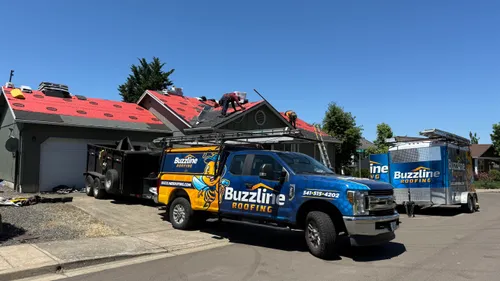
Buzzline Roofing
2585 Roosevelt Blvd a1, Eugene, OR 97402
Buzzline Roofing is a residential roofing contractor based in Eugene, OR, specializing in roof installation, replacement, repair, and inspection services. They serve Eugene and surrounding areas including Springfield, Junction City, and Creswell. The company offers premium asphalt shingle roofing, emergency tarp covering, roof maintenance, and real estate roof inspections. Founded over a decade ago, Buzzline Roofing emphasizes local expertise with a team of licensed professionals and provides a $20,000 project guarantee. They also offer flexible financing options for roof replacements.

Home Pros Construction
2868 Willamette St Suite B, Eugene, OR 97405
Home Pros Construction is a roofing and home remodeling company based in Eugene, OR, serving Lane County. With over a decade of experience, they offer roof installation, replacement, repair, leak repair, and roof inspections. The company is known for combining quality craftsmanship with integrity to meet roofing and remodeling needs. Their team provides thorough roof inspections and handles projects ranging from roof replacements to home remodeling with attention to detail and customer communication.
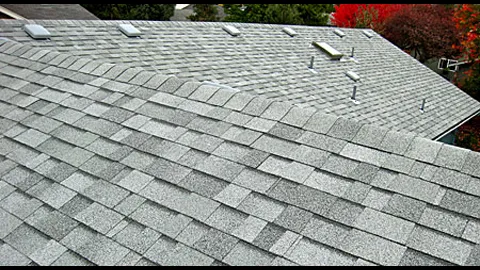
Gruwell Roofing & Restoration
2580 W 5th Ave, Eugene, OR 97402
Gruwell Roofing & Restoration is a family-owned roofing contractor based in Eugene, OR. They provide a range of roofing services including new roof installation, roof replacement, leak repair, roof inspections, and certification. Their expertise covers various roofing materials such as composition shingles, wood, and metal roofing including standing seam. The company offers detailed roof analyses to address current issues and prevent future problems, and they assist customers in making informed decisions by providing comprehensive information on roofing products and systems. Gruwell Roofing & Restoration combines traditional work ethic with modern energy, focusing on quality workmanship and personalized service. They have earned recognition such as the Angie's List Super Service Award and are known for installing features like ridge vents, soffit intake vents, and skylights.
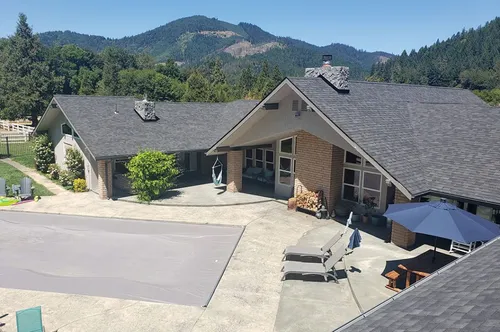
High Ridge Roofing & Gutters
1265 35th St, Springfield, OR 97478
High Ridge Roofing & Gutters is a roofing contractor based in Eugene, OR, serving Western and Central Oregon. With over 35 years of experience, they provide roofing installation, replacement, roof repairs, leak repairs, inspections, and certification services. The company also offers siding and gutter installation, including seamless gutters and leaf guards. As a certified Malarkey and Owens Corning residential contractor, High Ridge Roofing & Gutters uses high-quality products backed by manufacturer and workmanship warranties. Their capabilities include complete roof replacements with new decking, redesigned venting systems, and skylight installation or replacement.
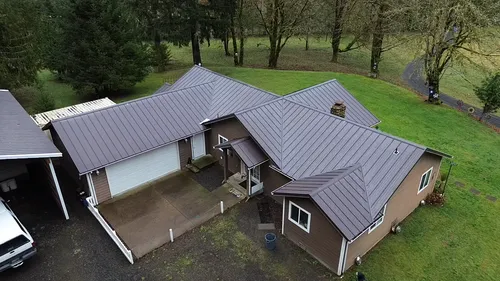
Oregon Shield Roofing and Construction LLC
945 N 28th St unit 43, Springfield, OR 97477
Oregon Shield Roofing and Construction LLC provides roofing installation, replacement, repairs, inspections, and certifications in Eugene, OR, and surrounding Lane County areas. Their services include metal roofing, standing seam installation, siding, and gutter installation and cleaning. The company is licensed, bonded, and insured, with a focus on durable materials and skilled craftsmanship. They have experience handling complex roofing projects such as steep pitches and multiple valleys, and they offer warranties on workmanship and materials. Oregon Shield Roofing is known for responding quickly to emergency repairs and providing detailed estimates using satellite imagery.
Understanding Oregon's Climate and Your Roof
Oregon's diverse geography creates distinct roofing challenges. The climate zone your home is in should be a primary factor in your material selection and project planning.
Western Oregon: This region, including Portland, Salem, and Eugene, is characterized by heavy, persistent rain, high humidity, and mild temperatures. These conditions promote moss, algae, and mildew growth, which can significantly shorten the lifespan of some roofing materials, particularly basic asphalt shingles. Effective ventilation and the use of algae-resistant shingles are critical here. The constant moisture means durability and water-shedding ability are top priorities.
Eastern Oregon: Cities like Bend and Pendleton experience a drier, sunnier climate with greater temperature extremes, including hotter summers and colder, snowier winters 1. While asphalt shingles may last longer here due to less moisture, materials must withstand intense UV exposure and potential freeze-thaw cycles. Wind resistance and the ability to handle snow load also become more important considerations.
Common Roofing Materials for Oregon Homes
The right material balances aesthetics, budget, and performance against local weather. Here's a breakdown of popular options in the state.
Asphalt Shingles (Composition): The most common and affordable choice, available in basic 3-tab or more durable architectural styles. While cost-effective, their lifespan can be shorter in wet western Oregon (15-20 years) compared to drier areas (20-25 years). Architectural shingles offer better durability and a more dimensional look for a moderate increase in cost.
Metal Roofing: An excellent choice for Oregon's weather, offering superior longevity (40-70 years), fire resistance, and exceptional performance in rain and snow. Metal roofs efficiently shed water and resist moss, making them ideal for the Willamette Valley. The higher upfront cost is often offset by its durability and minimal maintenance needs.
Wood Shakes and Shingles: Provide a classic, natural aesthetic and good insulation. They require more maintenance to prevent moss, mold, and decay, making them a better fit for drier parts of Eastern Oregon. Many local fire codes have restrictions on wood roofing, so verification is essential.
Tile (Clay or Concrete): Extremely long-lasting and well-suited for certain architectural styles. Tile is very heavy, requiring a structurally sound roof frame, and is among the more expensive options. It performs well in most climates but is less common in standard residential applications.
Composite/Synthetic Shingles: Made from engineered polymers, these products mimic the look of slate or wood but are lighter, more durable, and often come with lengthy warranties. They offer a good balance of performance and aesthetics for homeowners seeking a specific look without the maintenance or weight of natural materials.
What to Expect: Project Timelines
A full roof replacement is not an overnight project. Understanding the phases helps set realistic expectations.
- Planning & Permits: This initial stage involves selecting a contractor, finalizing materials, and securing any necessary local building permits. This process can take from a few weeks to a month.
- Material Delivery & Site Preparation: Your roofing materials will be delivered, and the contractor will prepare the site with safety equipment and dumpsters for the old roof.
- Demolition & Deck Inspection: The old roofing materials are torn off and disposed of, typically taking 1-2 days. This reveals the roof deck, which is thoroughly inspected for rot or damage that must be repaired before proceeding 2.
- Installation: The new underlayment, flashing, and roofing materials are installed. A simple asphalt shingle roof on a standard home may take 3-7 days. More complex roofs, or those using metal or tile, can take 1-2 weeks or more 3.
- Clean-up & Final Inspection: The job site is cleaned, a final walk-through is conducted, and the contractor ensures all debris is removed.
In total, from start to finish, most residential roof replacements in Oregon take between 2 to 4 weeks, depending on size, complexity, weather delays, and permit timelines 4.
Find the perfect roof replacement companies for your needs
Get personalized recommendations and expert advice
Key Factors Influencing Roof Replacement Cost
Costs in Oregon vary widely based on numerous factors. For a typical 2,000-square-foot home, total replacement costs can range from around $9,000 to over $27,000, with high-end materials pushing costs much higher 5 6.
- Roof Size & Pitch: Cost is often calculated per "square" (100 sq. ft.). Larger roofs cost more. Steeper pitches are more labor-intensive and hazardous, increasing the price.
- Material Choice: This is the largest variable. Asphalt shingles cost $2.50-$10+ per square foot installed, while metal roofing ranges from $8-$16+ per square foot 7. Example totals for a 2,000 sq. ft. home are:
- Roof Complexity: Multiple chimneys, skylights, valleys, and dormers add complexity, time, and material (like flashing), raising costs.
- Tear-Off & Disposal: Removing and disposing of 1-2 layers of old roofing is a standard line item. Some historical homes with cedar may have higher disposal fees.
- Structural Repairs: Discovering rotted decking or fascia during tear-off adds unexpected but necessary costs.
- Labor & Location: Labor rates vary by region and contractor. Premium, licensed, and insured contractors often charge more for their expertise and reliability.
- Permits: Local building permit fees are typically a minor part of the overall budget but are required.
The single most important step is to obtain 3-4 detailed, written estimates from reputable, licensed contractors to compare scope and price 11.
Best Time of Year for Roof Replacement in Oregon
While roofing work can be done year-round with proper planning, the ideal window in Western Oregon is during the drier summer and early fall months, typically from July through October. This provides the best chance for extended dry periods for installation. Scheduling in late fall, before the heavy winter rains set in, is also a common strategy. In Eastern Oregon, the summer is also ideal, avoiding the deep snow of winter. A qualified contractor will monitor weather forecasts closely and schedule work accordingly.
Frequently asked questions
Sources
Footnotes
-
The Cost of a Roof Replacement in Utah - https://www.thisoldhouse.com/roofing/roof-replacement-cost-utah ↩
-
The Cost of a New Roof in Oregon: What You Need to Know ... - https://www.deschutesroofing.com/the-cost-of-a-new-roof-in-oregon-what-you-need-to-know/ ↩
-
How Much Does Roof Replacement Costs in Portland? - https://roofrivercity.com/how-much-does-roof-replacement-costs-in-portland/ ↩
-
Average Roof Replacement Timeline in Colorado | RoofSource LLC - https://roofsourcellc.com/roofing/average-roof-replacement-timeline-in-colorado/ ↩
-
How Much Does a New Roof Cost in Oregon? - https://www.kennarealestate.com/blog/how-much-does-a-new-roof-cost-in-oregon/ ↩
-
Best Time of Year To Replace Roofs | Dakota Roofing - https://dakotaroofingnw.com/post/what-is-the-best-time-of-year-to-replace-your-roof-salem-oregon-roofing/ ↩
-
Do I Need a New Roof or Just Repairs? Oregon Homeowner's ... - https://www.klausroofingoforegon.com/about-us/news-and-events/50797-do-i-need-a-new-roof-or-just-repairs-oregon-homeowners-guide-2025.html ↩
-
Navigating Roof Replacement Costs & Choices in Oregon - Pioneer ... - https://www.pioneerroofers.net/portland-roofers-guide-navigating-roof-replacement-costs-choices-in-oregon/blog/ ↩
-
Average Roof Replacement Cost in Oregon: What to Expect - https://roofrivercity.com/average-roof-replacement-cost-in-oregon/ ↩
-
Roofing Costs in Portland: 2025 Guide - https://hawthornegeneralconstruction.com/roofing-costs-in-portland-2025-guide/ ↩
-
Roof Replacement Costs in Oregon and Washington - https://homemasters.com/blog/understanding-roof-replacement-costs-in-oregon-and-washington/ ↩