Find the Best Roof Replacement Companies for Your Business
No obligation • Fast responses • Nationwide coverage

Why you can trust Roof Lists
Roof Lists is a leading U.S. resource for finding and comparing roofing contractors. Our team researches providers, reviews customer feedback, and publishes clear, unbiased information. Companies cannot pay to change rankings or our editorial opinions.
Search providers near you
Best Roof Replacement Companies in Hawaii Ranked
Replacing or installing a new roof in Hawaii is a significant investment that requires careful consideration of the islands' unique and demanding climate. The intense sun, heavy rainfall, salt spray, and strong winds create a specific set of challenges that not all roofing materials can withstand. Choosing the right roof involves balancing durability, performance, and cost to ensure your home is protected for decades. This guide provides essential information on materials, costs, timelines, and key factors for a successful roofing project in the Aloha State.
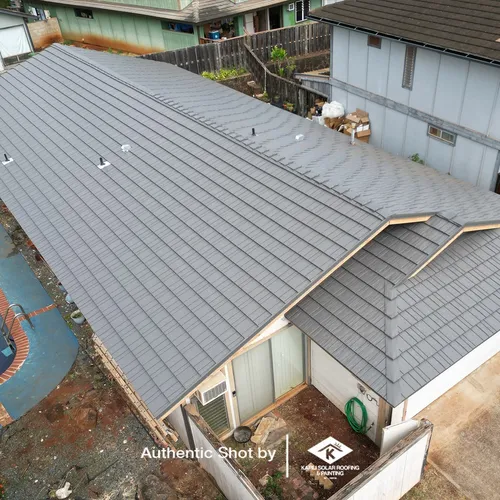
Kapili Roofing & Painting
94-221 Leonui St, Waipahu, HI 96797
Kapili Roofing & Painting is a licensed and insured roofing contractor serving Honolulu, HI. They specialize in roof installation, replacement, leak repair, metal roofing including standing seam, roof inspections, and certification services. The company holds certifications from leading manufacturers such as GAF and CertainTeed, ensuring expert installation and warranty-backed work. Kapili Roofing & Painting also assists clients with HOA approval processes and coordinates with solar panel removal and reinstallation when needed. Their services include roof coating applications to extend roof lifespan, tailored to Hawaii's unique climate conditions.
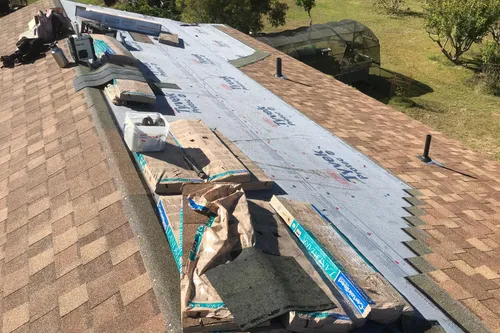
Oahu Roofing & Repairs Honolulu
1138 Kamaile St #3, Honolulu, HI 96814
Oahu Roofing & Repairs Honolulu offers comprehensive residential and commercial roofing services in Honolulu, HI, and across the island of Oahu. Their expertise includes roof repair, replacement, new installations, leak detection, waterproofing, and roof inspections. They handle various roof types such as shingle, tile, metal, and standing seam, and specialize in commercial, hotel, and condo roofing projects. With over 25 years of experience, the company employs dedicated crews for both residential and commercial work, ensuring tailored service for each project. They provide 24/7 emergency roofing services and assist with insurance claims to support clients during urgent repairs.
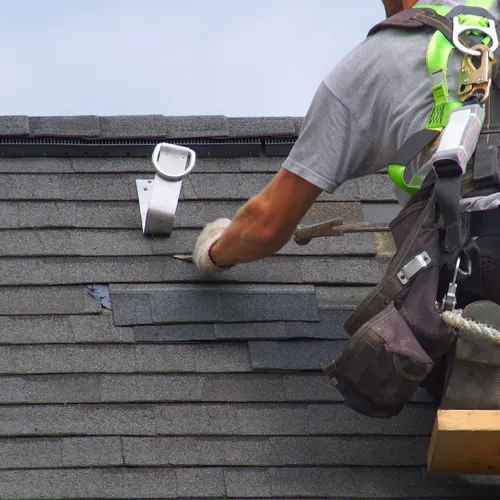
Unlimited Home Services
Honolulu, HI
Unlimited Home Services is a locally owned roofing company based in Honolulu, HI, serving Oahu, Maui, Kauai, and the Big Island. They specialize in roof installation, replacement, leak repair, and roof inspections, working closely with insurance companies to assist clients in obtaining approvals for roof replacements. Their team offers free roof assessments and coordinates with insurance adjusters to ensure proper coverage. Unlimited Home Services also handles interior damage related to roofing issues and solar panel removal. They have experience managing claims related to wind and wildfire damage and provide services for both residential and commercial properties.
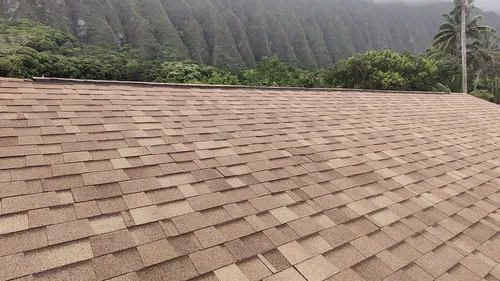
First Class Roofing LLC
94-1028 Molale St, Waipahu, HI 96797
First Class Roofing LLC is a licensed and insured roofing contractor serving Honolulu, HI, and the entire Oahu area. With over 17 years of experience, they provide a wide range of roofing services including installation, replacement, repair, inspection, and certification for both residential and commercial properties. Their team is skilled in handling Hawaii's unique roofing challenges, offering durable solutions like roof replacement and emergency 24/7 roofing services to address tropical weather damage. The company partners with reputable manufacturers and emphasizes quality workmanship and comprehensive project management.
All Around Roofing & Waterproofing
Honolulu, HI
All Around Roofing & Waterproofing is a family-owned roofing contractor based in Honolulu, HI, serving residential and commercial clients throughout the area. With over 15 years of experience, they offer a full range of roofing services including installation, replacement, roof leak repair, metal roofing with standing seam, roof inspections, and certifications. The company provides storm damage restoration and emergency repairs, working directly with insurance providers to support clients after weather events. They are available 24/7 to address urgent roofing needs and emphasize fair, transparent pricing alongside quality workmanship.
Understanding Hawaii's Climate and Roofing Demands
Hawaii's tropical environment is beautiful but relentless on building materials. A successful roof installation must be engineered to handle these specific conditions for optimal longevity and performance.
- Intense Sun & UV Radiation: Prolonged exposure to the sun's ultraviolet rays can cause many roofing materials to fade, become brittle, and crack prematurely. This makes UV-resistant materials like metal or specially formulated asphalt shingles a critical choice.
- Heavy Rainfall & High Humidity: Frequent rain demands a roof with excellent water-shedding capabilities. High humidity levels also create a prime environment for mold, mildew, and algae growth, which can degrade roofing materials and affect indoor air quality. Proper ventilation and materials with algae-resistant coatings are essential.
- Salt Spray & Corrosion: For homes in coastal areas, salt carried in the air is a major concern. It can accelerate the corrosion of metal components, including fasteners, flashing, and the roof panels themselves. Selecting corrosion-resistant materials and specially coated metals is non-negotiable for coastal properties.
- Strong Winds: Hawaii can experience strong trade winds and, occasionally, more severe wind events. A roof must be securely fastened and designed to resist wind uplift. The interlocking nature of standing seam metal roofs or properly installed high-wind rated shingles are top choices for wind resistance.
Recommended Roofing Materials for Hawaii
Given the climate challenges, some roofing materials perform significantly better than others in Hawaii. Here's a breakdown of the most common and recommended options.
Metal Roofing (Standing Seam or Corrugated)
Metal is highly recommended by many local roofing experts for its exceptional performance in tropical climates 1. Modern metal roofs are far more than just corrugated tin; they offer durability, efficiency, and style.
- Durability: Properly coated metal roofs offer superior resistance to wind, fire, and impact. They are also impervious to mold and insect damage.
- Energy Efficiency: Metal roofs reflect solar radiant heat, which can help reduce cooling costs-a significant benefit in Hawaii's climate 2 3. Many are also compatible with solar panel installations.
- Longevity: With appropriate corrosion-resistant coatings (like Galvalume® or Kynar® paints), a metal roof can last 40-70 years, offering an excellent return on investment despite a higher initial cost.
- Considerations: The primary drawback is upfront cost. Installation also requires specialized expertise to ensure panels are properly sealed and fastened against wind-driven rain.
Clay or Concrete Tile
Tile roofs are a classic, aesthetically pleasing choice that aligns well with many architectural styles in Hawaii. They are incredibly durable against the sun and salt air.
- Lifespan: Clay and concrete tiles can last 50 years or more, making them one of the longest-lasting options available.
- Performance: They have excellent thermal mass, helping to moderate indoor temperatures. They are also non-combustible and highly resistant to UV degradation.
- Considerations: Tile is extremely heavy, requiring a roof structure that can support the load. The cost is at the higher end of the spectrum, and installation is specialized. Individual tiles can break if walked on or struck by heavy debris.
Architectural Asphalt Shingles
Asphalt shingles remain a popular and cost-effective choice for many homeowners, offering a good balance of performance and affordability.
- Variety: Modern architectural (or dimensional) shingles are thicker and more durable than traditional 3-tab shingles. They come in a wide variety of colors and styles, including those that mimic wood or slate.
- Climate-Specific Options: For Hawaii, it is crucial to select shingles rated for high UV resistance and treated with algae-resistant coatings to prevent unsightly dark streaks 4 5.
- Considerations: While improved, asphalt shingles generally have a shorter lifespan (typically 20-30 years in Hawaii's climate) compared to metal or tile. They are also more susceptible to wind uplift if not installed correctly.
Other Materials (Wood & Synthetic)
- Wood Shakes/Shingles: While offering a natural look, wood is generally not ideal for Hawaii's humid climate. It requires high maintenance, is susceptible to moisture retention, mold, and insect (especially termite) damage, and has a lower fire resistance rating.
- Synthetic Slate/Rubber: These engineered products can mimic the look of natural materials while offering improved durability and lighter weight. Performance varies by manufacturer, so thorough research is needed for Hawaii-specific conditions.
Find the perfect roof replacement companies for your needs
Get personalized recommendations and expert advice
What to Expect: Project Timelines and Costs
Installation Timelines
The duration of a roof replacement project in Hawaii depends on the size and complexity of your roof, the material chosen, and weather conditions.
- Small or Simple Roofs: A straightforward job on a smaller home can often be completed in 1 to 3 days.
- Medium or Average Roofs: For a typical single-family home, plan for the project to take 2 to 5 days.
- Large or Complex Roofs: Homes with multiple stories, steep pitches, intricate designs, or using heavy materials like tile may require 5 to 10 days or more 6. Weather delays, common in the tropics, should also be factored into your schedule.
Cost Considerations
Roofing costs in Hawaii are generally higher than mainland averages due to shipping expenses for materials and local labor rates 7. The final price is influenced by roof size, pitch, material, and the complexity of the tear-off and installation. The following are approximate price ranges for a standard single-family home replacement:
- Asphalt Shingles: Typically range from ~$7,000 to $12,000 or more. This is often the most budget-friendly entry point.
- Metal Roofing: A significant investment with costs usually between ~$15,000 and $25,000+, depending on the metal type (steel, aluminum), panel profile, and coating specifications.
- Tile Roofing (Clay/Concrete): Generally the highest-cost option, with projects often starting around ~$20,000 and ranging to $35,000 or higher due to material weight and specialized installation requirements 8 9.
Crucial Note: These are estimated ranges. The only way to get an accurate price for your specific home is to obtain detailed, written quotes from multiple licensed and insured local contractors.
Key Steps for a Successful Roofing Project in Hawaii
- Research and Select a Qualified Contractor: Verify that any contractor you consider is licensed, insured, and has strong local references. Look for experience specifically with the roofing material you've chosen and ask to see examples of past work in Hawaii. Resources like manufacturer certifications (e.g., GAF Master Elite) can indicate a higher level of training and commitment 10.
- Get Multiple Detailed Quotes: Obtain at least three written, itemized quotes. They should specify the exact materials (including brand, style, and warranty), the scope of work (including tear-off, disposal, underlayment, flashing, and ventilation), the project timeline, and payment terms.
- Prioritize Proper Ventilation: A well-ventilated attic is critical in Hawaii to manage heat and moisture buildup, which can prematurely age your roof deck and shingles and increase energy costs. Ensure your contractor's plan includes adequate intake and exhaust ventilation.
- Understand Warranties: There are typically two warranties: the manufacturer's material warranty and the contractor's workmanship warranty. Read and understand the coverage, duration, and any limitations or requirements for both.
- Prepare for the Installation: Discuss with your contractor how to protect your property (landscaping, windows, etc.), where materials will be stored, and what the daily work schedule will be. Ensure you have a plan for pets and children during the noisy and potentially hazardous work period.
Frequently asked questions
Sources
Footnotes
-
Hawaii Kai - New Roof Construction Services - 808 Roofing - https://808roofing.com/residential/new-roof-construction/hawaii-kai/ ↩
-
Optimal Roofing Solutions for Hawaii's Tropical Climate - https://www.kapiliroof.com/blog/hawaii-climate-roof-decisions ↩
-
Common Types Of Roofing In Hawai'i - Generations Magazine - https://generations808.com/common-types-of-roofing-in-hawaii/ ↩
-
FBC Roofing: Hawaii Roofing Tips & Solutions in 2025 - https://fbc-hawaii.com/blogs ↩
-
Summer Roofing Replacement: Your Ultimate Guide - 1-800-HANSONS Roofing - https://hansons.com/blog/summer-roofing/ ↩
-
The Ultimate Guide to Residential Roof Installation - https://www.theroofcowaco.com/the-ultimate-guide-to-residential-roof-installation-what-homeowners-need-to-know ↩
-
The Cost of Roofing in Hawaii: What Homeowners Should ... - https://probuilthawaii.com/the-cost-of-roofing-in-hawaii-what-homeowners-should-expect/ ↩
-
Practical Roof Choices for Hawaii's Unique Environment - https://probuilthawaii.com/practical-roof-choices-for-hawaiis-unique-environment/ ↩
-
Hawaii Roofing Costs & Prices - ProMatcher Cost Report - https://roofing.promatcher.com/cost/hawaii.aspx ↩
-
Top Hawaii Roofing Contractors | Certified by GAF - https://www.gaf.com/en-us/roofing-contractors/residential/usa/hi ↩