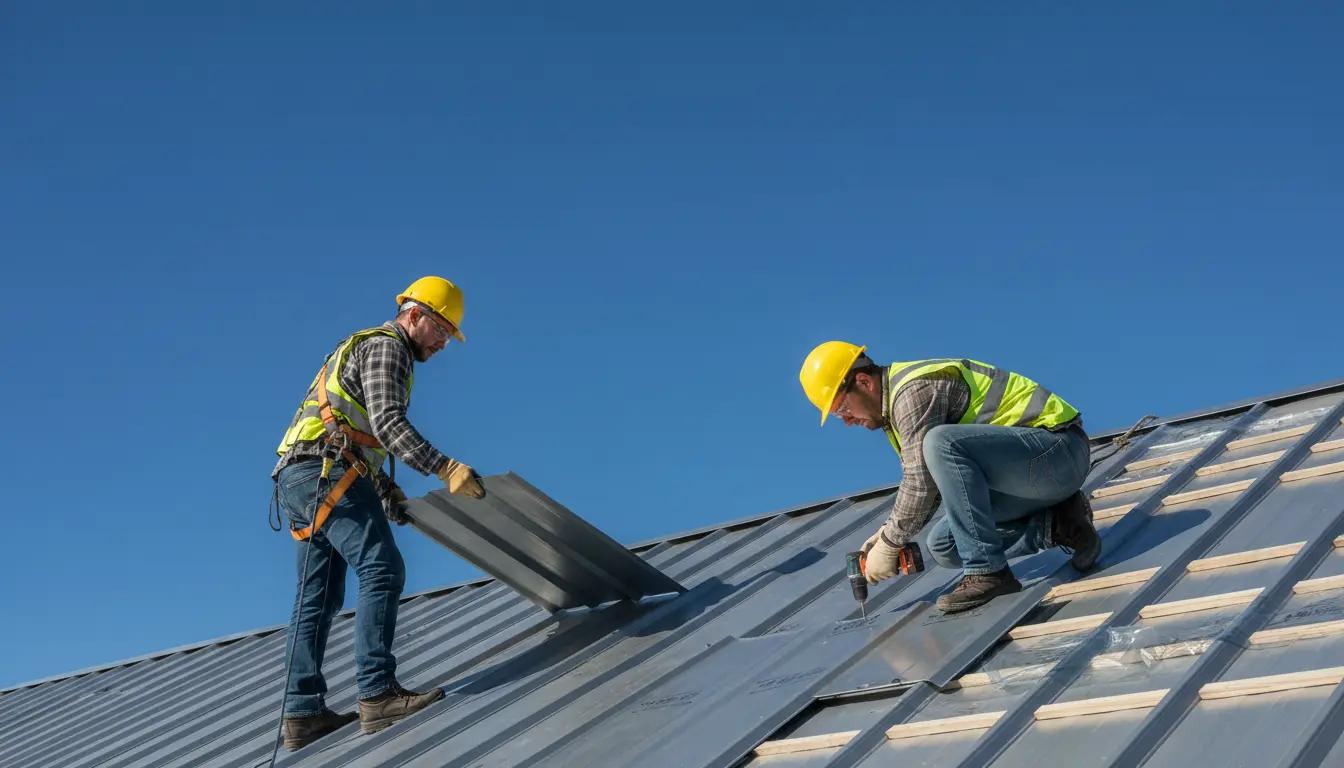
Find the Best Roof Replacement Companies for Your Business
No obligation • Fast responses • Nationwide coverage

Why you can trust Roof Lists
Roof Lists is a leading U.S. resource for finding and comparing roofing contractors. Our team researches providers, reviews customer feedback, and publishes clear, unbiased information. Companies cannot pay to change rankings or our editorial opinions.
Search providers near you
Top Roof Replacement Companies in South San Francisco, California Ranked
Replacing your roof in South San Francisco is a significant investment in your home's safety, energy efficiency, and curb appeal. The city's unique coastal climate, with its persistent fog, seasonal winds, and wildfire risk, demands specific material choices and expert installation to ensure long-term performance. For a typical residential roof installation, homeowners can expect a project cost ranging from $16,000 to $28,500, with the actual installation phase taking 1 to 3 days, though the entire process from planning to final inspection often spans 2 to 4 weeks. Navigating local building codes, which emphasize fire resistance and energy efficiency, is a critical part of a successful roofing project in the Bay Area.
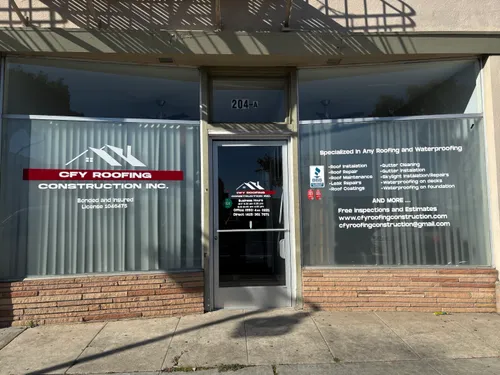
CFY Construction Inc.
7204 Mission St, Daly City, CA 94014
CFY Construction Inc. is a roofing contractor based in San Francisco, CA, offering a full range of exterior home and commercial services throughout the Bay Area. Their services include roof installation, replacement, leak repair, roof inspections, and waterproofing to protect buildings from water damage. The company is experienced in handling storm damage and coordinates with insurance claims to assist clients. They also provide gutter installation and related exterior upgrades. CFY Construction is known for completing roof replacements efficiently and with attention to detail, including specialized capabilities like skylight installation and attic re-insulation.
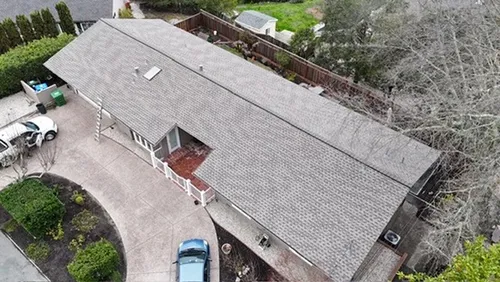
NC Roofing Solution, Inc
2764 Camino Diablo, Walnut Creek, CA 94597
NC Roofing Solution, Inc is a roofing contractor based in Oakland, CA, specializing in roof installation, replacement, repair, and inspection services. They offer expertise in metal roofing, including standing seam systems, and handle roof leak repairs and certifications. The company is experienced in full roof replacements, gutter sealing, and ventilation installation, with a focus on thorough and efficient project completion. Customers have noted their ability to manage roof emergencies and provide clear communication throughout the process.
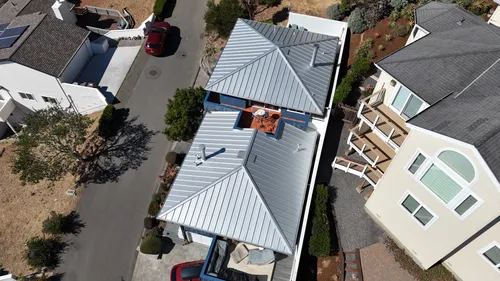
NC Roofing Solution Inc
1000 4th St suit 319, San Rafael, CA 94901
NC Roofing Solution Inc is a family-owned roofing company based in Marin County, serving homeowners in Oakland, CA, and the surrounding East Bay area. They specialize in roof replacement, roof repair, roof leak repair, metal roofing installation including standing seam, roof inspection, and roof certification. The company offers RoofMaxx, an innovative roof rejuvenation treatment that extends the life of aging shingles, helping homeowners maintain insurance coverage and avoid costly premature replacements. With years of hands-on experience, NC Roofing Solution focuses on durable, energy-efficient roofing systems and builds long-term relationships by standing behind their work.
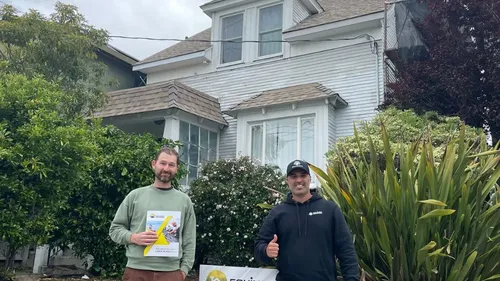
Equinox Roofing
1801 Oakland Blvd # 210, Walnut Creek, CA 94596
Equinox Roofing is a roofing contractor serving Oakland, CA, and the broader Bay Area. They specialize in residential and commercial roofing, including roof installation, replacement, repair, metal roofing, and roof inspections. The company uses advanced technology such as drone inspections and satellite imagery to provide thorough assessments and precise project planning. Equinox Roofing holds certifications from Owens Corning, CertainTeed, and Polyglass, and offers lifetime product warranties along with 10-year workmanship warranties. They also provide 24/7 emergency roof repair and tarping services to address urgent roofing needs.
7x7 Roofing
2443 Fillmore St, San Francisco, CA 94115
7x7 Roofing is a roofing and general contracting company based in San Francisco, CA. Since 1998, they have specialized in roofing installation, replacement, repairs, and inspections, with a focus on preserving the city's historic architecture. Their services include working with shingles and flat roofs, and they emphasize using eco-conscious materials to support sustainability. The company also offers remodeling and repair services, including plumbing and electrical work, all performed to code. 7x7 Roofing serves homeowners within San Francisco and is known for its expertise in restoring classic homes while upgrading them for modern performance.
Understanding Roofing Costs in South San Francisco
The total expense for a new roof installation is influenced by a combination of material, labor, and project-specific factors. While the average cost range provides a starting point, understanding the components helps in budgeting accurately.
Material Costs and Lifespan
Your choice of roofing material is the single largest factor affecting both the upfront price and the long-term value of your investment. Prices in the Bay Area are generally higher than national averages due to elevated labor costs and the stringent requirements of local building codes. The table below outlines common options for South San Francisco homes:
| Roofing Material | Cost Per Sq. Ft. (Installed) | Typical Project Range (1,500 sq. ft. roof) | Lifespan |
|---|---|---|---|
| Asphalt Shingles | $6 - $11.50 | $9,000 - $17,250 | 15-30 years |
| Metal Roofing | $9 - $24.50 | $13,500 - $36,750 | 40-70 years |
| Clay/Concrete Tile | $9 - $20 | $13,500 - $30,000 | 50-100 years |
Asphalt Shingles remain a popular choice due to their cost-effectiveness and versatility. Modern architectural shingles offer improved durability and aesthetic appeal compared to traditional 3-tab options. Metal roofing provides excellent longevity, fire resistance, and can be highly energy-efficient, making it a strong contender despite a higher initial cost. Clay or concrete tiles offer a classic, durable look with superior lifespan and natural fire resistance, well-suited to many architectural styles in California 1.
Additional Cost Factors
Beyond material selection, several other elements can impact your final quote:
- Roof Size and Complexity: Larger roof areas cost more. Features like steep pitches, multiple valleys, dormers, skylights, and chimneys increase labor time and material waste, adding to the expense 2.
- Labor Costs: The high cost of living in the San Francisco Bay Area translates to higher labor rates for skilled roofing professionals compared to other regions 3.
- Hidden Damage: Once the old roofing is removed, contractors may discover rotted or damaged roof decking (sheathing) that must be repaired before new materials can be installed. This unforeseen work adds to both cost and timeline 4.
- Permit Fees: The City of South San Francisco requires permits for roof replacement, and these fees are an additional line item in your project budget.
- Old Roof Removal: The cost to tear off and dispose of your existing roofing materials is typically included but varies based on the number of layers being removed.
Find the perfect roof replacement companies for your needs
Get personalized recommendations and expert advice
Climate and Code Considerations for Your New Roof
South San Francisco's weather patterns and state regulations directly influence the best practices for roof installation. A successful project must account for these environmental and legal requirements.
Fire Resistance Standards
California enforces strict fire-resistant roofing requirements, with Class A being the standard for most areas. This is a critical safety consideration, especially in wildfire-prone regions. Materials like clay tile, concrete tile, and metal naturally achieve a Class A rating. Many modern asphalt shingles are also manufactured to meet this high standard. Your contractor should be well-versed in the specific fire zone ratings applicable to your property and ensure all materials comply 5.
Moisture and Wind Protection
The coastal climate brings moisture from fog and the potential for strong winds. Proper installation techniques are paramount to prevent leaks. This includes using high-quality synthetic underlayment as a secondary water barrier, ensuring flashing around penetrations (like vents and chimneys) is meticulously sealed, and following manufacturer specifications for fastening patterns to withstand wind uplift 6.
Energy Efficiency and "Cool Roof" Options
California's building energy efficiency standards (Title 24) often include "cool roof" requirements for re-roofing projects. These rules are designed to reduce heat absorption, lowering indoor cooling costs and mitigating the urban heat island effect. Cool roofs use materials with high solar reflectance and thermal emittance. This can be achieved with specially coated shingles, metal roofs, or tile. Your roofing professional can guide you to products that meet both the code requirements and your aesthetic preferences 7 8 9.
The Roof Replacement Timeline: What to Expect
While the physical installation of a new roof is relatively quick, the entire project involves several important stages. Understanding this timeline helps set realistic expectations.
1. Planning and Preparation (1-2 Weeks)
This initial phase involves consultations with contractors, detailed estimates, and material selection. Once you sign a contract, your roofer will handle pulling the necessary permits from the City of South San Francisco, which can take 1 to 10 business days. They will also order your chosen materials, which may have a lead time of 2 to 7 business days depending on availability.
2. Tear-Off and Installation (1-5 Days)
The on-site work begins with the delivery of materials and a dumpster. The crew will then remove your old roofing down to the decking. For a standard asphalt shingle roof on an average-sized home, the tear-off and installation of the new roof is typically completed in 1 to 3 days 10. More complex roofs or installations using materials like tile or slate may extend this phase to 5-10 days 11.
3. Final Inspection and Cleanup (1 Day)
Upon completion, the project foreman or contractor will conduct a final walkthrough with you to ensure your satisfaction. A crucial final inspection by the city or county building official is also required to close out the permit. Reputable contractors will also perform a thorough cleanup of your property, using magnetic tools to collect nails and debris from the yard and gutters 12 13.
Choosing the Right Roofing Contractor
Given the investment and importance of a proper installation, selecting a qualified professional is essential.
- Verify Licenses and Insurance: Always hire a contractor who is licensed, bonded, and insured in the state of California. Ask for proof of both general liability and workers' compensation insurance.
- Check Local Experience: Look for a company with proven experience working in South San Francisco and the broader Bay Area. They will be familiar with local inspectors, permit processes, and climate-specific installation challenges.
- Review Detailed Estimates: A trustworthy estimate should be itemized, including costs for materials, labor, permits, waste disposal, and any potential charges for decking repair. It should also specify the brand, product line, and color of materials to be used.
- Understand Warranties: Inquire about both the manufacturer's warranty on the materials and the contractor's workmanship warranty. Understand the terms, duration, and what is required to keep the warranties valid.
- Ask for References: Request and contact recent references. Viewing completed projects in person, if possible, can give you confidence in the contractor's quality of work.
Frequently asked questions
Sources
Footnotes
-
Roofing Costs in California: The Cost of a New Roof - Roof Doctors - https://theroofdoctors.net/roofing-costs-in-california-the-cost-of-a-new-roof/ ↩
-
How Much Does Roof Replacement Cost in San Francisco, CA? - https://www.angi.com/articles/how-much-does-roof-replacement-cost/ca/san-francisco ↩
-
Roof Replacement Cost 2025: 10 Powerful Ways to Save Big - https://dmlusa.com/roof-replacement-cost/ ↩
-
Fast & Reliable: How Long Does It Take to Install a New Roof - https://foreverext.com/how-long-does-it-take-to-install-a-new-roof/ ↩
-
How Much Does Roof Replacement Cost in San Francisco, CA? - https://www.angi.com/articles/how-much-does-roof-replacement-cost/ca/san-francisco ↩
-
Cost of Roof Replacement in California: How It's Determined - https://greengrouproof.com/cost-of-roof-replacement-in-california/ ↩
-
2025 Roof Replacement Costs in California - Modernize - https://modernize.com/roof/cost-calculator/california ↩
-
How Much Does a Roof Replacement Cost in 2025: A Homeowner's ... - https://cobexcg.com/roof-replacement-cost/ ↩
-
Key Considerations When Planning a Roof Replacement Project - https://730southexteriors.com/key-considerations-when-planning-a-roof-replacement-project/ ↩
-
How Long Does a Roof Replacement Take? Complete 2025 Timeline - https://amstillroofing.com/blog/how-long-does-a-roof-replacement-take-complete-2025-timeline/ ↩
-
How Long Does It Take to Install a New Roof? - Palomar Solar - https://www.palomarsolar.com/how-long-does-it-take-to-install-a-new-roof/ ↩
-
Average Roof Replacement Timeline (2025 Guide) - https://pripremiereroofing.com/average-roof-replacement-timeline/ ↩
-
Roof Replacement Questions - https://projectoneroofing.com/faqs/ ↩