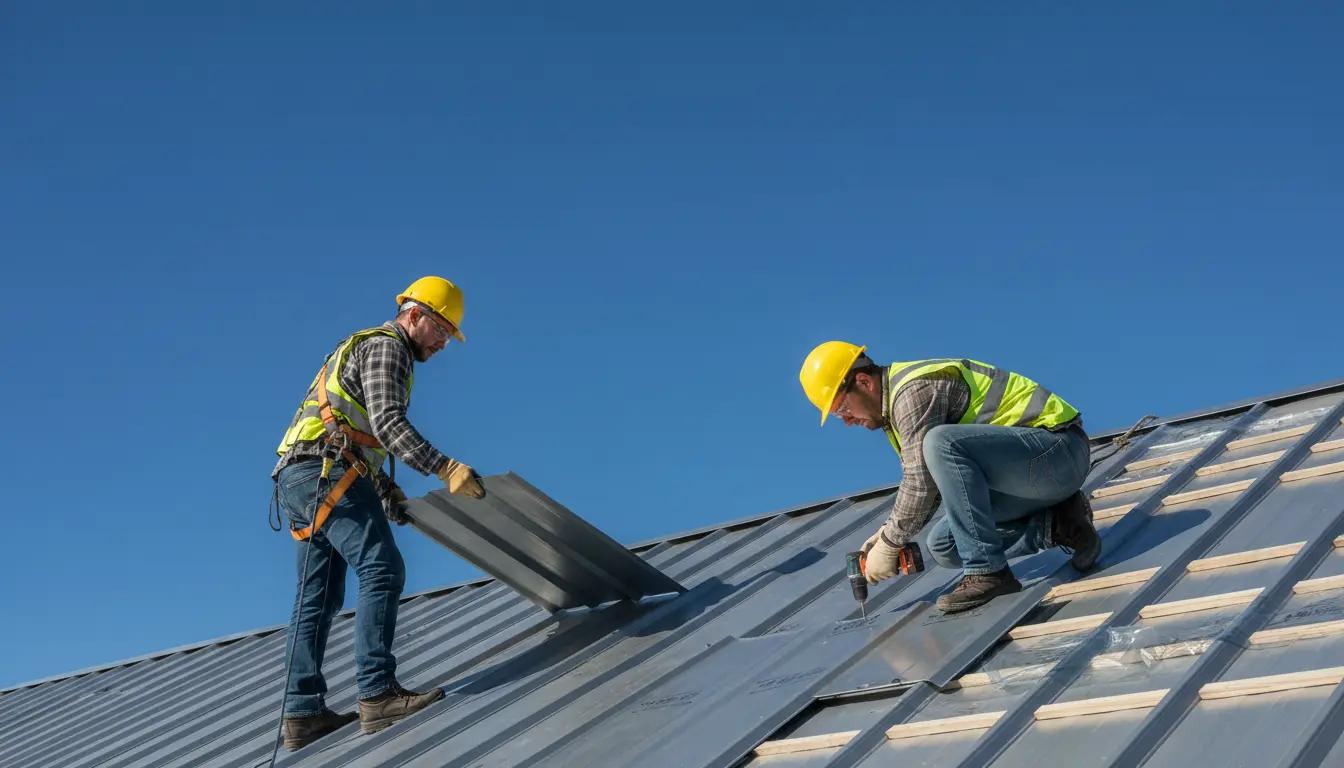
Find the Best Roof Replacement Companies for Your Business
No obligation • Fast responses • Nationwide coverage

Why you can trust Roof Lists
Roof Lists is a leading U.S. resource for finding and comparing roofing contractors. Our team researches providers, reviews customer feedback, and publishes clear, unbiased information. Companies cannot pay to change rankings or our editorial opinions.
Search providers near you
Best Roof Replacement Companies in Arkansas Ranked
Replacing your roof in Arkansas is a significant investment that directly impacts your home's protection, energy efficiency, and curb appeal. The state's unique climate-characterized by intense summer heat, high humidity, severe thunderstorms, and occasional hail-demands careful consideration of materials and installation practices. A well-chosen and professionally installed roof is your first line of defense against these elements, safeguarding your property for decades. This guide provides a detailed overview of what Arkansas homeowners need to know about the roof replacement process, from material selection and cost factors to timelines and critical local considerations.
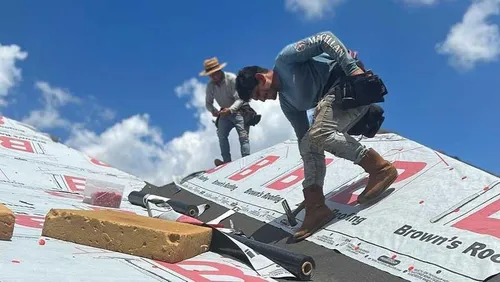
Brown's Roofing
3825 Mt Carmel Rd FL 2, Bryant, AR 72022
Brown's Roofing is a roofing contractor based in Little Rock, AR, offering roof installation, replacement, repair, leak repair, and inspection services. They assist customers throughout the insurance claim process and handle projects with care, including removal and environmentally responsible disposal of old roofing materials. The company emphasizes clear communication and thorough cleanup after each job. Brown's Roofing is experienced in coordinating with insurance companies to facilitate claim approvals and provides lifetime material warranties.

Rock Management Roofing
11914 Kanis Rd Suite H-7, Little Rock, AR 72211
Rock Management Roofing is a roofing contractor based in Little Rock, Arkansas, serving both residential and commercial clients in the area. They provide a range of roofing services including installation, replacement, roof repairs, leak repairs, and roof inspections. The company specializes in working with insurance companies to assist clients with claims and offers 24-hour roofing repair services for urgent needs. Their team is experienced in handling storm damage restoration and uses high-quality roofing materials from well-known brands. Rock Management Roofing emphasizes transparency with no hidden fees and clear communication throughout the roofing process.
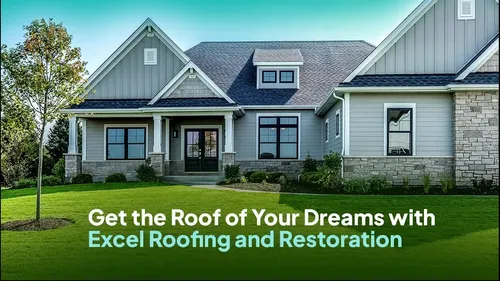
Excel Roofing and Restoration Corp.
23249 I-30 Frontage Rd suite 8, Bryant, AR 72022
Excel Roofing and Restoration Corp. provides comprehensive roofing services in Little Rock, AR, including roof installation, replacement, repair, and inspection for both residential and commercial properties. The company also offers gutter and siding services, using high-quality materials from reputable manufacturers to ensure durable and efficient roofing solutions. Excel Roofing and Restoration has a skilled team experienced in working with insurance claims to assist clients throughout the process. They offer financing options to help manage project costs and provide a 10-year fully transferable workmanship warranty on their roofing services.
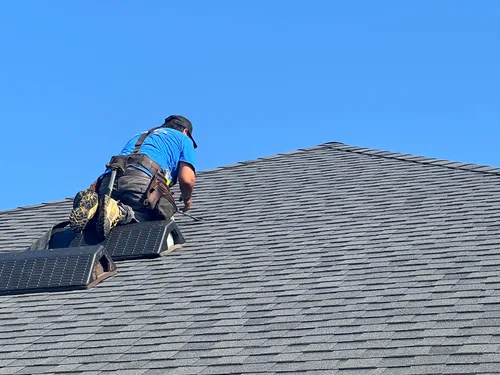
Landon Roofing
400 Walkers Corner Rd, Scott, AR 72142
Landon Roofing is a roofing contractor based in Little Rock, AR, offering residential and commercial roofing services including installation, replacement, roof repairs, leak repair, and roof inspections. They provide tailored roofing solutions designed to withstand the harsh weather of Central Arkansas, ensuring durability and protection for homes and businesses. With over 30 years of experience, the company emphasizes superior quality control with founder Charlie Landon personally overseeing projects. Landon Roofing also offers a Google Guarantee backed by a strong customer satisfaction record.
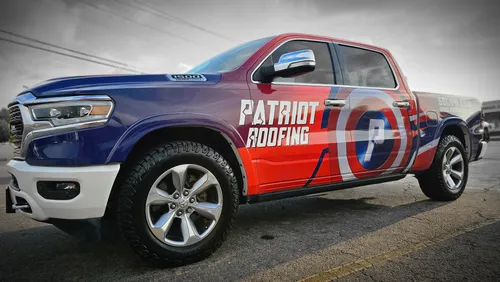
Patriot Roofing & Restoration
2001 Club Manor Dr Suite A, Maumelle, AR 72113
Patriot Roofing & Restoration is a roofing contractor based in Little Rock, AR, specializing in roof installation, replacement, repair, and inspection services. They handle roof leak repairs, roof certifications, and hail damage restoration. The company is experienced in working with insurance claims and offers emergency tarping to protect homes before roof replacement. Their services include installing solar attic fans to improve energy efficiency. Customers appreciate their thorough inspections and detailed documentation throughout the roofing process.
Understanding Arkansas's Climate and Roofing Demands
Arkansas weather presents specific challenges that influence roofing decisions. A roof here must be built to withstand more than just rain.
- Heat and Humidity: Prolonged exposure to high temperatures and moisture can accelerate the degradation of some roofing materials. Proper attic ventilation is non-negotiable in Arkansas, as it helps regulate temperature and reduce moisture buildup that can lead to mold, wood rot, and reduced insulation effectiveness. For metal roofs, reflective coatings can significantly improve energy efficiency by deflecting solar heat.
- Heavy Rain and Hail: Sudden, intense storms are common. A robust roofing system requires high-quality, water-resistant underlayment. In vulnerable areas like valleys, eaves, and around penetrations, using an ice and water shield (a self-adhering membrane) is a critical upgrade for preventing water intrusion. For hail-prone areas, consider impact-resistant shingles rated by UL 2218 or FM 4473.
- Wind: Arkansas can experience strong winds from thunderstorms. These winds can lift and damage poorly installed or low-quality shingles. Ensuring your roofing contractor uses proper fastening techniques and follows the manufacturer's wind-resistance specifications is essential for longevity.
Popular Roofing Materials for Arkansas Homes
The right material balances durability, aesthetics, budget, and performance in the local climate.
Asphalt Shingles
The most common and affordable choice. Asphalt shingles are popular due to their cost-effectiveness, ease of installation, and suitability for most residential architectural styles 1.
- 3-Tab Shingles: The basic, flat option offering a traditional look at the lowest price point.
- Architectural/Dimensional Shingles: Thicker, multi-layered shingles that provide a more textured, upscale appearance and offer better durability and longer warranties, often 30 years or more 2. Their heavier weight and design make them more resistant to wind uplift.
Metal Roofing
A premium choice known for exceptional durability and efficiency. Metal roofs are increasingly popular for their long lifespan, often exceeding 50 years with proper maintenance.
- Pros: Excellent resistance to fire, wind, and impact. Highly reflective surfaces can lower cooling costs in the Arkansas summer. Sheds snow and rain efficiently.
- Cons: Higher upfront cost than asphalt. Professional installation is crucial to prevent issues like oil-canning (visible waviness).
- Types: Common options include standing seam (panels with concealed fasteners) and metal shingles or tiles that mimic other materials.
Wood Shakes and Shingles
Prized for their natural, rustic aesthetic. Typically made from cedar, wood roofing offers a unique look but comes with considerations.
- Pros: Natural insulator, environmentally friendly if sourced sustainably, and develops a distinctive gray patina over time.
- Cons: Higher initial cost and requires regular maintenance to prevent moss, mold, and decay. May not be permitted in all areas due to fire codes unless treated with fire-retardant chemicals.
Tile Roofing (Clay or Concrete)
Offers unparalleled longevity and distinctive style. Tile roofs are heavy, durable, and provide excellent thermal mass, helping to moderate indoor temperatures 3.
- Pros: Extremely long-lasting (75-100+ years), fireproof, and resistant to insect damage. Low maintenance.
- Cons: The highest material and installation cost. The significant weight requires a roof structure that can support it, which may involve additional engineering and cost for some homes.
Find the perfect roof replacement companies for your needs
Get personalized recommendations and expert advice
The Roof Replacement Process and Timeline
A full roof replacement is a multi-stage project. Understanding the steps helps set realistic expectations.
- Preparation and Tear-Off (1-2 Days): The crew will protect your property (landscaping, siding, etc.) with tarps. They then remove the existing shingles, underlayment, and all old nails down to the roof deck (plywood or OSB sheathing).
- Deck Inspection and Repair (1 Day): This is a critical phase. The contractor will thoroughly inspect the exposed wood decking for any soft spots, water damage, or rot. All compromised sections must be replaced to ensure a solid foundation for the new roof.
- Underlayment Installation (1 Day): A new water-resistant or waterproof barrier is rolled out and fastened over the entire deck. As mentioned, in critical areas, a self-adhering ice and water shield is applied for superior protection.
- Flashing Installation: Metal flashing is installed around roof penetrations (chimneys, vents, skylights), in valleys, and along walls to direct water away from these vulnerable junctions.
- Material Installation (2-5+ Days): This is the most variable phase. The new shingles, metal panels, or tiles are installed according to manufacturer specifications. Complexity from roof pitch, size, number of valleys, and dormers greatly affects duration.
- Cleanup and Final Inspection (Final Day): The site is cleaned using magnetic tools to pick up nails and debris. A final walk-through with the project manager ensures the work meets quality standards and your satisfaction.
Total Timeline: For an average-sized, moderately complex home, the entire process often takes 1 to 2 weeks from start to finish. Larger homes, steep pitches, intricate designs, or adverse weather can extend this timeline 4.
Cost Factors for Roof Replacement in Arkansas
Costs are typically quoted per roofing square (100 square feet). For a standard 2,000-square-foot roof, here are general price ranges based on material 5 6:
- Asphalt Shingles: $4.50 - $8.50 per sq. ft. ($9,000 - $17,000 total)
- Metal Roofing: $10 - $14+ per sq. ft. ($20,000 - $28,000+ total)
- Tile or Slate: $15 - $25+ per sq. ft. ($30,000 - $50,000+ total)
Several key factors influence where your project falls within these ranges:
- Roof Size and Pitch: Larger roofs require more materials and labor. Steeper roofs are more challenging and time-consuming to work on, increasing labor costs 7 8.
- Material Choice: This is the primary cost driver, with asphalt being the most economical and tile/slate at the premium end.
- Labor and Complexity: Multiple valleys, dormers, chimneys, and intricate roof lines add significant time and complexity to the installation 9.
- Decking Repair: The extent of wood decking that needs replacement after tear-off is an unknown variable that can add to the project cost 10.
- Removal of Existing Layers: Some local codes allow two layers of shingles; if a second layer must be removed, it adds to labor and disposal fees.
Choosing a Qualified Arkansas Roofing Contractor
Your investment is only as good as the installation. Look for a contractor who is:
- Licensed and Insured: Verify they hold a current Arkansas contractor's license and carry both liability and workers' compensation insurance.
- Local and Experienced: A company familiar with Arkansas weather patterns and local building codes will provide better guidance.
- Transparent with Detailed Quotes: Estimates should be itemized, specifying materials (brand, style, color), work scope, warranty details, and payment schedule.
- Willing to Provide References: Ask for and contact recent customer references.
- Offers Strong Warranties: Understand both the manufacturer's warranty on materials and the contractor's warranty on workmanship.
Frequently asked questions
Sources
Footnotes
-
5 Most Popular Types of Roofing in Arkansas - Roofs by Peak - https://www.roofsbypeakblog.com/blog/5-most-popular-types-of-roofing-in-arkansas ↩
-
Residential Roof Replacement in AR & TX - Platinum Roofing LLC - https://platinumroofllc.com/residential-roof-replacement/ ↩
-
Roof Replacement Cost by Location, Roof Type & Material - https://roofingcalculator.com/ ↩
-
How Long Does It Take to Replace a Roof in Arizona? - https://reliableroofingnearme.com/how-long-does-it-take-to-replace-a-roof-in-arizona/ ↩
-
How Much Does a 2000 Square Foot Roof Cost - https://mooseroofing.com/how-much-does-a-2000-square-foot-roof-cost/ ↩
-
Metal Roof Cost: Complete Breakdown By Size & Material - https://paccsolutions.com/blog/metal-roof-cost-per-sqft/ ↩
-
How Much Does It Cost to Replace a Roof in Arkansas? - https://www.rockmanagementroofing.com/news/how-much-does-it-cost-to-replace-a-roof-in-arkansas/ ↩
-
What Is the Cost of a New Roof? | Roofing Price Guide - https://mksconstructionllc.com/blog/what-is-the-cost-of-a-new-roof/ ↩
-
How Much Does An Average Roof Replacement Cost in 2025, A ... - https://cobexcg.com/average-roof-replacement-cost/ ↩
-
9 Materials Included With Your Roof Replacement - https://www.billraganroofing.com/blog/what-replaced-roof-replacement ↩