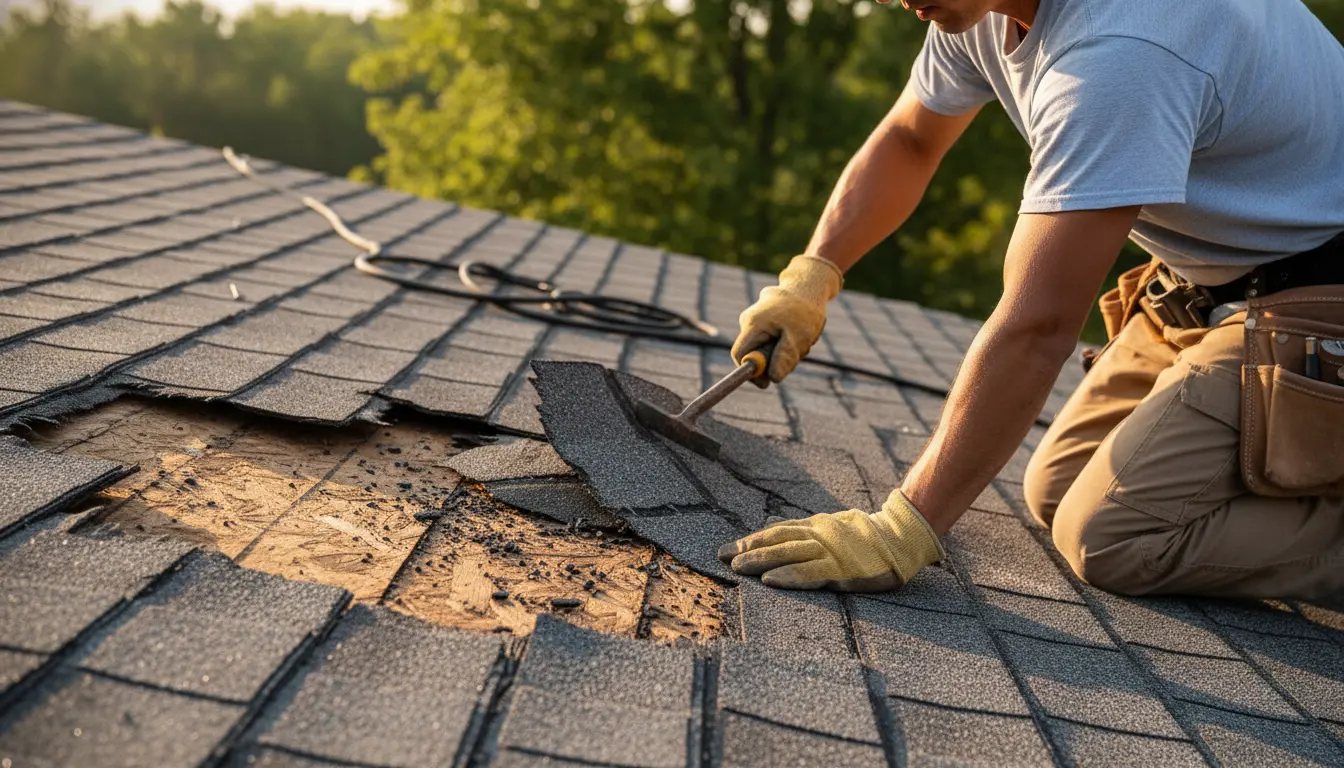
Find the Best Roof Repair Companies for Your Business
No obligation • Fast responses • Nationwide coverage
Why you can trust Roof Lists
Roof Lists is a leading U.S. resource for finding and comparing roofing contractors. Our team researches providers, reviews customer feedback, and publishes clear, unbiased information. Companies cannot pay to change rankings or our editorial opinions.
Search providers near you
Top Roof Repair Companies in Longmont, Colorado Ranked
Living in Longmont offers stunning Front Range views, but the local climate can be tough on your home's first line of defense. From sudden hailstorms to persistent freeze-thaw cycles, your roof endures significant wear that often necessitates professional attention. Understanding the common causes of damage, local building codes, and repair processes is essential for maintaining your property's value and safety. This guide provides an overview of what Longmont homeowners should know about addressing roof issues, from minor fixes to major storm-related restoration.
Lifetime Roof & Solar - Denver
9525 E 40th Ave suite 160C, Denver, CO 80238
Lifetime Roof & Solar - Denver is a roofing contractor based in Denver, CO, specializing in residential roofing installations, replacements, and repairs. They assist homeowners with insurance claims related to roof damage, working directly with major insurance companies to streamline the process. Their services include roof inspections, certifications, and installation of various roofing materials such as asphalt shingles, standing seam metal, stone-coated steel, composite slate and shake, concrete tile, and solar roofing systems. Lifetime Roof & Solar is recognized as a GAF Master Elite® Contractor and a member of the Colorado Roofing Association, highlighting their industry credentials and commitment to quality. They offer expertise in handling hail damage and provide durable roofing solutions designed to withstand severe weather conditions.
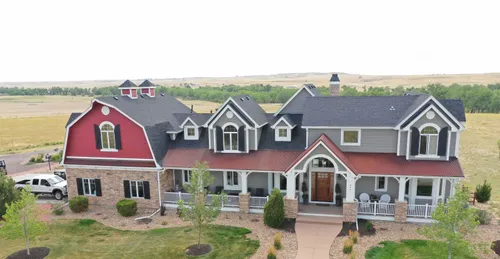
Reliable Roofing & Restoration, Inc.
1313 W 121st Ave, Westminster, CO 80234
Reliable Roofing & Restoration, Inc. is a family-owned roofing contractor serving Denver, CO, and the surrounding Colorado Front Range communities. Established in 1997, the company offers residential and commercial roofing services including roof installation, replacement, repair, gutter installation, and storm damage restoration. As a GAF Master Elite contractor, they specialize in asphalt shingles, metal roofing, and roof inspections, and also assist with insurance claims and storm damage repairs. Their dedicated project managers oversee each roofing project to ensure quality and customer care throughout the process.
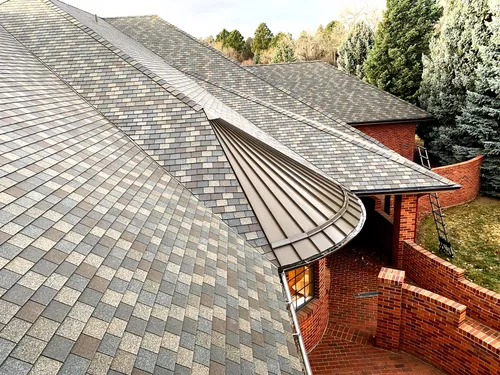
Sky Manor Roofing & Exteriors
13591 High Cir, Thornton, CO 80241
Sky Manor Roofing & Exteriors is a roofing and exterior contractor serving Aurora, CO. They provide roof installation, replacement, repair, and inspection services, along with exterior upgrades including windows, doors, gutters, and siding. The company also specializes in wildfire home hardening to improve home resilience against embers and heat. They offer expert assessments and support for insurance claims, ensuring thorough evaluations and clear guidance throughout the process. Their team handles projects with quality materials and skilled crews, including the safe removal and reinstallation of solar panels during roof replacements.
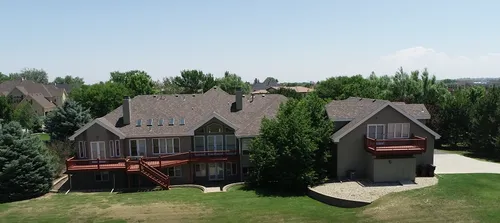
Tornado Roofing & Gutters
1327 Hilltop Cir, Windsor, CO 80550
Tornado Roofing & Gutters is a family-owned roofing company serving Fort Collins, CO, and the Northern Colorado region including Windsor, Greeley, and Loveland. The company offers residential roofing services such as roof installation, replacement, inspection, and leak repair, along with gutter repair and replacement. With over 20 years of experience, owner Adrian Trevizo leads an in-house team that handles all projects without subcontracting, ensuring consistent workmanship and direct communication throughout the process. Tornado Roofing & Gutters has been serving the community since 2011 and works closely with insurance companies to assist customers with claims and paperwork.
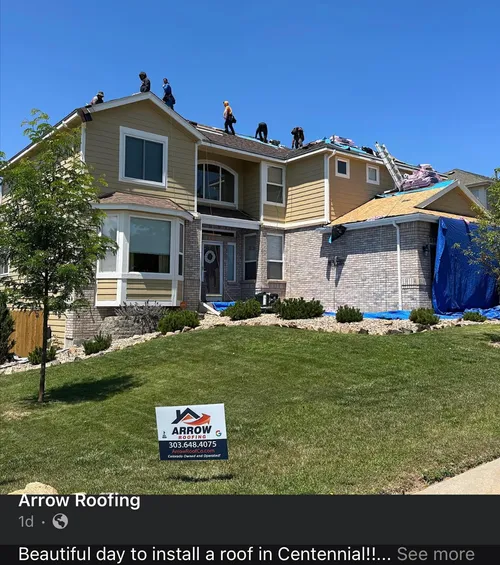
Arrow Roofing and Exteriors
11001 W 120th Ave #400, Broomfield, CO 80021
Arrow Roofing and Exteriors is a roofing contractor based in Aurora, CO, offering residential and commercial roofing services. They specialize in roof installation, replacement, repair, and inspection, including metal roofing and standing seam systems. The company provides roof certification and assists with insurance claims to support clients through the repair or replacement process. With over 20 years of combined experience in construction and real estate, Arrow Roofing and Exteriors focuses on protecting homes and businesses from Colorado's harsh weather conditions. They serve the Metro Denver and Front Range areas and emphasize quality roofing solutions such as Class 4 impact resistant hail shingles.
Common Roofing Materials in Longmont
The material on your roof dictates its longevity, repair needs, and performance against local weather.
- Asphalt Shingles: This is the most common residential roofing material in Longmont. Modern architectural shingles are popular for their durability and aesthetic appeal, but all asphalt shingles are susceptible to damage from hail impacts and high winds, which can cause granule loss and cracking 1.
- Metal Roofing: Gaining popularity for its longevity and excellent performance against hail and fire. Repairs typically involve addressing fasteners or seam integrity.
- Tile Roofs (Concrete or Clay): Found on some homes, offering a classic look and long life. Repairs can be more specialized, often involving cracked or dislodged tiles.
- Flat/Commercial Roofing (TPO/PVC): Common on many commercial buildings and some modern residential designs. Repairs usually focus on seams, flashings, and membrane punctures.
Regardless of material, all roofing work in Longmont must comply with specific local building codes designed for the region's high-wind environment.
Primary Causes of Roof Damage in Longmont
Knowing what damages roofs here helps with prevention and early detection.
- Hail and Wind Storms: These are the leading causes of sudden, catastrophic roof damage in the Front Range 2. Hailstones can crack shingles, bruise the matting underneath, and strip away protective granules. High winds can lift and tear shingles, compromising the waterproof layer.
- Ice Dams: A frequent winter problem in Longmont. Snow melts on the warmer upper parts of a roof, then refreezes at the colder eaves, creating a dam. Water backing up behind this dam can seep under shingles, damaging the decking, insulation, and interior ceilings.
- General Age and Wear: All roofing materials have a finite lifespan. Over time, UV exposure makes shingles brittle, flashings can corrode, and materials simply wear out. This gradual deterioration is a common reason for repairs or full replacement.
The Longmont "One Square Rule" and Its Impact
A critical local regulation significantly influences repair decisions. Longmont's building code often includes what is informally called the "One Square Rule". This guideline states that if a repair area exceeds 100 square feet (one "square" in roofing terminology), it may no longer qualify as a simple repair. Instead, it could trigger a requirement to replace the entire roof section or even the entire roof to ensure consistent performance and warranty compliance, particularly for wind resistance. This rule makes it crucial to get a professional assessment after any significant storm, as a repair you might assume is minor could have broader implications.
What to Expect: Roof Repair Timelines
The duration of a roofing project depends entirely on the scope of damage and weather conditions.
- Minor Repairs: Fixing a small leak, replacing a few damaged shingles, or sealing a vent flashing can often be completed in a few hours to a single day.
- Storm Damage or Partial Re-roof: Addressing widespread hail damage or replacing a large section of roofing typically takes several days to a week. Timelines can extend if severe weather interrupts work or if complex structural issues are discovered 3.
- Full Roof Replacement: A complete tear-off and re-roof is a major project. For an average-sized home, expect the process to take anywhere from three days to two weeks, factoring in material delivery, tear-off, deck inspection, installation, and final cleanup 4.
- Code Compliance: Remember that any significant repair or replacement must meet Longmont's requirement for materials rated to withstand 110 mph winds, which can affect material selection and installation time.
Understanding Roof Repair and Replacement Costs
Costs for roofing work in Longmont vary widely based on damage type, roof size, pitch, and materials. The following estimates are based on regional data for asphalt shingle roofs, the most common type 5 6 7.
- Minor Repairs: Addressing isolated leaks, replacing a small number of shingles, or fixing flashings typically ranges from $200 to $1,000.
- Moderate Storm or Ice Damage: Repairing a damaged section from hail or an ice dam, which may include replacing underlayment and decking, often falls between $700 and $4,000+.
- Structural Repairs: Fixing issues with rafters or trusses discovered during an inspection adds significant cost, generally ranging from $500 to over $5,000 depending on severity 8.
- Full Roof Replacement: When damage is extensive or the roof is at the end of its life, a full replacement for an average home typically costs between $9,000 and $18,000+ 9. This is a considerable investment but is often necessary for long-term protection and may be covered by insurance for sudden, accidental damage.
Find the perfect roof repair companies for your needs
Get personalized recommendations and expert advice
Navigating Insurance for Roof Repairs
For damage caused by sudden events like hail or wind, your homeowner's insurance policy is a key resource.
- Coverage: Most standard policies cover "sudden and accidental" damage. This typically includes hail strikes, wind-torn shingles, or damage from a fallen tree limb.
- What's Not Covered: Insurance is not designed for maintenance. Damage resulting from long-term wear and tear, lack of maintenance, or gradual deterioration is usually excluded.
- The Claims Process: If you suspect storm damage, the first step is to have a reputable local roofing contractor perform a thorough inspection. They can provide a detailed report and estimate. You would then file a claim with your insurance company, which will send an adjuster to assess the damage. A good contractor can help you navigate this process and ensure the adjuster's scope of work covers all necessary repairs per local code.
Choosing a Roofing Contractor in Longmont
Selecting the right professional is crucial for a quality, code-compliant repair.
- Get Multiple Estimates: Obtain detailed written estimates from at least three licensed and insured local contractors.
- Verify Credentials: Ensure the contractor is licensed to work in Longmont and carries both liability insurance and workers' compensation. Ask for proof.
- Check Local Knowledge: Confirm their familiarity with Longmont's specific building codes, including the 110 mph wind warranty requirement and the implications of the "One Square Rule" 10 11.
- Review Past Work: Ask for references and examples of recent projects in the area. Read online reviews and check their standing with the Better Business Bureau.
- Understand the Contract: The contract should be detailed, including the scope of work, specific materials (brand, style, color), warranty information, payment schedule, start/end dates, and cleanup procedures.
Signs Your Longmont Roof Needs Attention
Proactive inspection can prevent small issues from becoming major expenses. Look for these warning signs:
- Granules in Gutters: Excessive accumulation of sand-like granules from asphalt shingles is a sign of advanced wear or hail damage 12.
- Missing, Cracked, or Curling Shingles: Visible damage to shingles compromises your roof's integrity.
- Sagging Roof Deck: A visible sag indicates potential structural issues requiring immediate attention.
- Interior Signs: Water stains on ceilings or walls, peeling paint near roof edges, or mold spots in the attic are clear indicators of a leak.
- Damaged Flashing: Check the metal flashing around chimneys, vents, and skylights for cracks or separation.
Regular bi-annual inspections, especially after major storms, are a wise practice for every Longmont homeowner.
Frequently asked questions
Sources
Footnotes
-
Longmont Roof Repair | WestPro - https://www.westproroofing.com/blog/p.220919000/longmont-roof-repair/ ↩
-
What is the most common roof repair in Colorado? - https://coreroofing.com/what-is-the-most-common-roof-repair-in-colorado/ ↩
-
Longmont Roof Repair | Roof Storm Damage - https://www.westproroofing.com/longmont-co/roof-repair/ ↩
-
Average Roof Replacement Timeline in Colorado | RoofSource LLC - https://roofsourcellc.com/roofing/average-roof-replacement-timeline-in-colorado/ ↩
-
Denver Roof Repair Costs by Damage Type (2025 Guide) - https://roofingexperts.com/denver-roof-repair-costs-by-damage-type-2025-guide/ ↩
-
How Much Does It Cost To Repair A Roof In 2025? - PACC Solutions - https://paccsolutions.com/blog/roof-repair-cost-guide/ ↩
-
Roof Repair Cost (2025) | Prices by Damage Type & Region - https://modernize.com/roof/repair-cost ↩
-
Understanding the Costs of Roof Repairs in Philadelphia 2025 - https://spennatoroofing.com/understanding-the-costs-of-roof-repair ↩
-
How Much Does a roof replacement in Longmont - https://cardinalexterior.com/new-roof/roof-replacement-in-longmont/ ↩
-
Roofing Guidelines for Commercial and Residential Projects - City of Longmont - https://longmontcolorado.gov/building-inspection/roofing-guidelines-for-commercial-and-residential-projects-1/ ↩
-
Longmont Roofing One-Square Rule | Insurance Claim Assistance - https://northernlightsexteriors.com/blog/one-square-rule/ ↩
-
Guide: Roof Maintenance, Repair, and Replacement - https://www.coloradoroofing.org/roof-maintenance-repair-and-replacement ↩