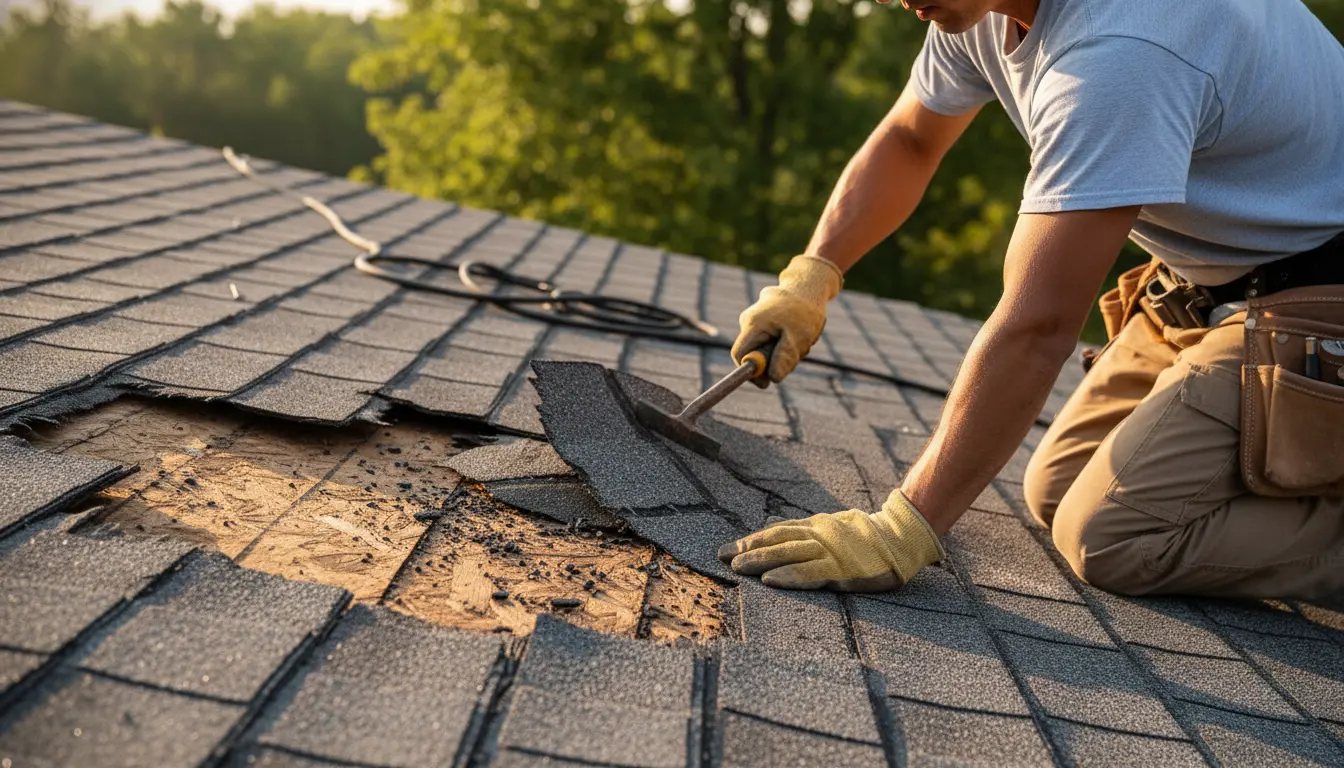
Find the Best Roof Repair Companies for Your Business
No obligation • Fast responses • Nationwide coverage

Why you can trust Roof Lists
Roof Lists is a leading U.S. resource for finding and comparing roofing contractors. Our team researches providers, reviews customer feedback, and publishes clear, unbiased information. Companies cannot pay to change rankings or our editorial opinions.
Search providers near you
Best Roof Repair Companies in California Ranked
Maintaining a sound roof is a critical part of homeownership in the Golden State. California's unique and varied climate-from intense coastal sun to wildfire-prone foothills-creates specific challenges that can compromise your roof's integrity. This guide provides clear, practical information on common roofing problems in California, typical repair and replacement costs, and effective prevention strategies. You can use this resource to understand your needs and connect with qualified local professionals who specialize in addressing the state's distinct roofing demands.
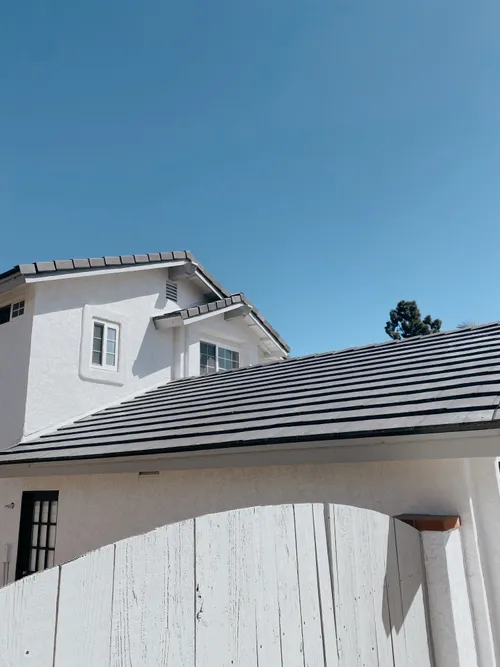
Build Brothers Inc.
7765 Arjons Dr, San Diego, CA 92126
Build Brothers Inc. is a family-owned roofing and solar contractor based in San Diego, CA. With over 20 years of experience, they provide residential and commercial roofing services including installation, replacement, roof repairs, leak repairs, and roof inspections. They also specialize in energy-efficient solar solutions and offer detailed roof certification reports. Their team is skilled in handling complex projects such as roof lift-and-relay and solar panel removal and reinstallation. Build Brothers serves the San Diego area and is known for offering workmanship warranties and financing options.
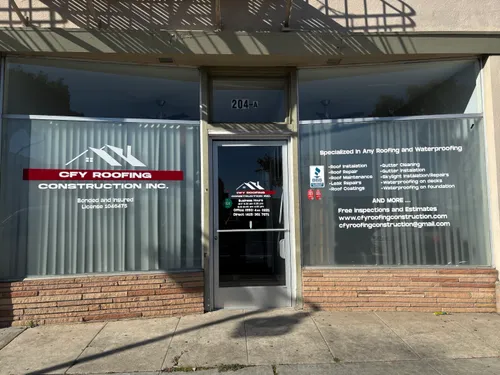
CFY Construction Inc.
7204 Mission St, Daly City, CA 94014
CFY Construction Inc. is a roofing contractor based in San Francisco, CA, offering a full range of exterior home and commercial services throughout the Bay Area. Their services include roof installation, replacement, leak repair, roof inspections, and waterproofing to protect buildings from water damage. The company is experienced in handling storm damage and coordinates with insurance claims to assist clients. They also provide gutter installation and related exterior upgrades. CFY Construction is known for completing roof replacements efficiently and with attention to detail, including specialized capabilities like skylight installation and attic re-insulation.

SunMade Smart Roofing, Solar Fresno & Electric
4253 N Valentine Ave, Fresno, CA 93722
SunMade Smart Roofing, Solar Fresno & Electric is a roofing and solar contractor serving Fresno, CA. Established in 2016 with roots dating back to 2008, the company offers roof installation, replacement, repair, and inspection services alongside solar panel installation and electrical work. They hold roofing (C-39) and electrical (C-10) contractor licenses and have completed thousands of projects across California. SunMade is recognized for its diamond certification and specializes in integrating solar solutions with roofing systems to help homeowners reduce energy costs.
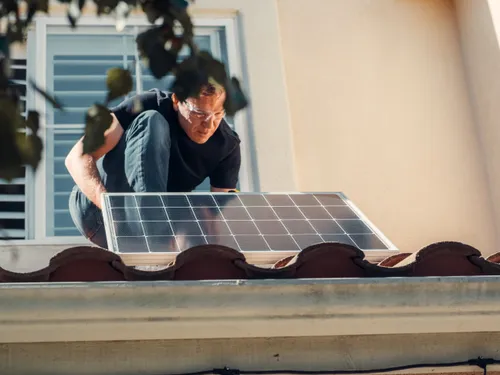
Global Roofing Specialist
23600 Park Sorrento, Calabasas, CA 91302
Global Roofing Specialist is a roofing contractor based in Thousand Oaks, CA, offering services including roof installation, replacement, repair, leak repair, metal roofing with standing seam, roof inspection, and certification. They provide a transparent process from inspection to cleanup, guiding clients through options like asphalt, metal, and tile roofing materials. With over 15 years of experience, the company handles full roof replacements, storm damage restoration, and maintenance to extend roof life. Their expertise includes installing standing-seam metal roofs suited for coastal weather and preparing roofs for solar panel installation.
Edison California Roofing
7271 Garden Grove Blvd suite F, Garden Grove, CA 92841
Edison California Roofing is based in Garden Grove, CA, and serves the Santa Ana area with a variety of roofing services. They specialize in roof replacements, repairs, new installations, and commercial roofing projects. The company is known for its transparent process and keeps clients informed throughout each project. Their team is experienced in handling roof leak repairs and full roof replacements efficiently.
How California's Climate Impacts Your Roof
California's weather is far from uniform, and each region presents its own set of hazards for roofing materials. Understanding these environmental factors is the first step in diagnosing problems and planning effective maintenance or repairs.
- Intense Sun and UV Exposure: The relentless California sun is a primary culprit for roof degradation. Prolonged UV radiation dries out and weakens asphalt shingles, causing them to crack, curl, and lose their protective granules. For tile roofs, the sun can cause fading and make the material more brittle over time.
- Heat and Thermal Cycling: Significant temperature swings between day and night cause roofing materials to expand and contract. This constant thermal cycling can stress fasteners, weaken seals around flashing, and lead to cracks in both shingles and tiles.
- Wind Damage: Seasonal Santa Ana winds and coastal gusts can lift the edges of shingles, break tile corners, and tear off loose flashing. Once the waterproof seal is broken, wind-driven rain can easily find its way underneath.
- Wildfire Risk: For homes in wildland-urban interface zones, the roof is a first line of defense. Embers from distant fires can land on roofs, making the choice of fire-resistant Class A-rated materials (like certain asphalt shingles, metal, clay, or concrete tile) a critical safety consideration.
- Coastal Salt Air: In beach communities, salty, humid air accelerates the corrosion of metal roof components, including flashing, vents, gutters, and fasteners. This can lead to premature failure and leaks.
- Seismic Activity: While not a daily concern, earthquakes can shift a home's structure, potentially cracking roof tiles, compromising the chimney, or damaging the roof decking and framing 1.
Common Roofing Problems in California
The climate-driven wear and tear manifests in several predictable issues that homeowners should watch for.
- Sun Damage and Material Degradation: This is the most widespread issue. Look for cracked, cupped, or missing shingles; faded color; and a buildup of sand-like granules in your gutters, which signals advanced shingle wear 2.
- Roof Leaks and Water Damage: Leaks often originate at vulnerable points like failed flashing around chimneys, skylights, or vent pipes. Clogged gutters and downspouts can also cause water to back up under the roof edge. Left unchecked, this leads to rotten wood, mold growth, and damaged insulation in your attic.
- Wind Damage: After high winds, inspect your roof (or have a professional do it) for missing shingles, lifted flashing, or debris impact points. Even minor wind damage can quickly escalate into a major leak.
- Debris Buildup and Clogged Gutters: Leaves, pine needles, and branches from overhanging trees can clog gutters. This prevents proper drainage, causing water to pool on the roof or overflow, damaging fascia and siding.
- Aging and General Wear: All roofing materials have a finite lifespan. Natural aging, combined with California's harsh elements, will eventually lead to system-wide failure, necessitating a full replacement.
Types of Roof Repair and Replacement Services
The scope of work needed depends on the extent of the damage, the age of your roof, and your long-term plans for the property.
- Minor Repairs: These are targeted fixes for isolated problems. They include replacing a few damaged shingles or tiles, resealing or replacing sections of flashing, patching small leaks, and clearing clogged roof valleys or drains. Prompt minor repairs are cost-effective and prevent small issues from becoming catastrophic 3.
- Major Repairs: This category addresses more significant damage. It may involve replacing large sections of roofing, repairing water-damaged roof decking (plywood/OSB), fixing structural issues in the rafters, or addressing widespread ventilation problems that are causing moisture buildup in the attic 4.
- Full Roof Replacement: When repairs are no longer economical or the roof is near the end of its service life, a full replacement is the best option. This involves a complete tear-off of the old materials down to the decking, an inspection and repair of the decking itself, and the installation of new underlayment and roofing material. It's also the optimal time to upgrade ventilation or insulation.
- Preventive Maintenance: The most valuable service is proactive care. Annual or bi-annual professional inspections, routine gutter cleaning, trimming back tree branches, and ensuring attic ventilation is unobstructed can dramatically extend your roof's life and prevent expensive emergencies 5.
Find the perfect roof repair companies for your needs
Get personalized recommendations and expert advice
Understanding Roofing Materials and Costs in California
The choice of material significantly impacts cost, durability, and suitability for your local climate.
- Asphalt Composition Shingles: The most common and cost-effective option. Modern architectural shingles offer better durability and wind resistance than traditional 3-tab shingles. They are available in Class A fire-rated versions, which are recommended for many areas.
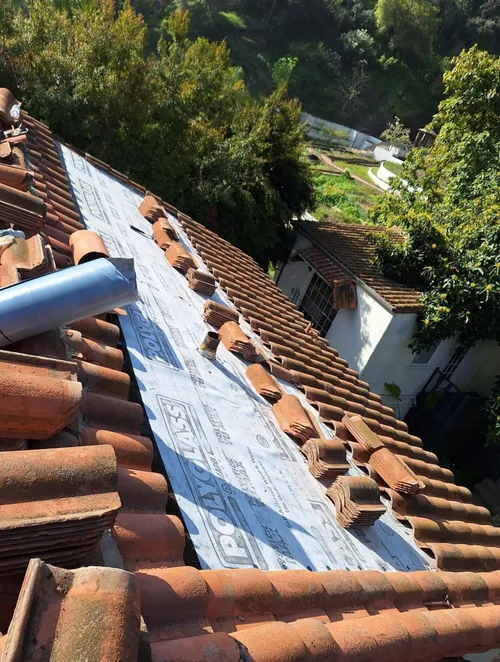
- Concrete and Clay Tile: Iconic in Spanish and Mediterranean-style homes, tile roofs are extremely durable, fire-resistant, and energy-efficient. However, they are heavy, require reinforced roof framing, and are among the most expensive materials. Repairs for broken tiles are common after heavy winds or debris impact.
- Metal Roofing: Growing in popularity due to its longevity, fire resistance, and energy reflectivity. Metal roofs are excellent in wildfire zones and can last 40-70 years. They come in standing seam or metal shingle styles, with costs higher than asphalt but competitive with tile over the long term.
- Synthetic and Composite Materials: These products mimic the look of wood shake, slate, or tile but are made from engineered polymers or rubber. They are typically lightweight, durable, and fire-resistant, offering a high-end aesthetic without the weight or cost of natural materials.
Cost Ranges for Roofing Work in California
Costs vary widely based on material, roof pitch, accessibility, and your location within the state. Labor costs in major metropolitan areas are typically higher.
- Minor Repairs: For tasks like fixing a leak, replacing a few shingles, or sealing flashing, homeowners can expect to pay between $300 and $1,200.
- Major Repairs: Addressing significant storm damage, repairing large sections of decking, or fixing chronic leak issues typically ranges from $1,500 to over $5,000, depending on complexity.
- Full Roof Replacement:
- Tile or Metal Roofing: These premium materials command a significantly higher price. A tile or metal roof replacement can easily be two to three times the cost of a basic asphalt shingle roof.
It's important to note that the single most expensive part of a new roof is usually the labor for installation and the cost of the primary roofing material itself 9. Always get detailed, written estimates from multiple licensed contractors.
The Importance of Hiring a Qualified Professional
Given the technical and safety challenges of roofing work, proper installation and repair are non-negotiable. A qualified California roofing contractor will:
- Hold a valid C-39 Roofing Contractor license from the Contractors State License Board (CSLB).
- Carry comprehensive liability insurance and workers' compensation coverage.
- Provide a detailed, written contract outlining the scope of work, materials (including brand, style, and color), warranty information, payment schedule, and timeline.
- Understand local building codes, including fire resistance requirements (like Title 24) and seismic retrofitting considerations.
- Perform a thorough inspection before providing a firm quote.
Frequently asked questions
Sources
Footnotes
-
How Weather Affects Your Roof: Preparing for Southern California's ... - https://dansroofing.com/how-weather-affects-your-roof-preparing-for-southern-californias-climate-dans-roofing/ ↩
-
How California's Climate Affects Your Roof - https://frontlineroofing.com/how-californias-climate-affects-your-roof/ ↩
-
Common Roof Problems in California and Their Solutions - https://frontlineroofing.com/common-roof-problems-in-california/ ↩
-
Common Roof Issues in California Homes - https://roofrepairsca.com/top-roof-issues-california/ ↩
-
Common Roofing Issues in California and How to Prevent Them - https://tcroof.com/blog/hello-world/ ↩
-
Cost to Repair or Install a Roof in California - https://www.photonbrothers.com/central-coast/blog/cost-repair-replace-roof-california ↩
-
How Much Does It Cost to Replace a Roof in California? - Fixr.com - https://www.fixr.com/costs/roof-replacement-california ↩
-
How Much Does a 2000 Square Foot Roof Cost - https://mooseroofing.com/how-much-does-a-2000-square-foot-roof-cost/ ↩
-
What Is the Most Expensive Part of a New Roof? - https://www.cloudroofing.com/blog/what-is-the-most-expensive-part-of-a-new-roof ↩