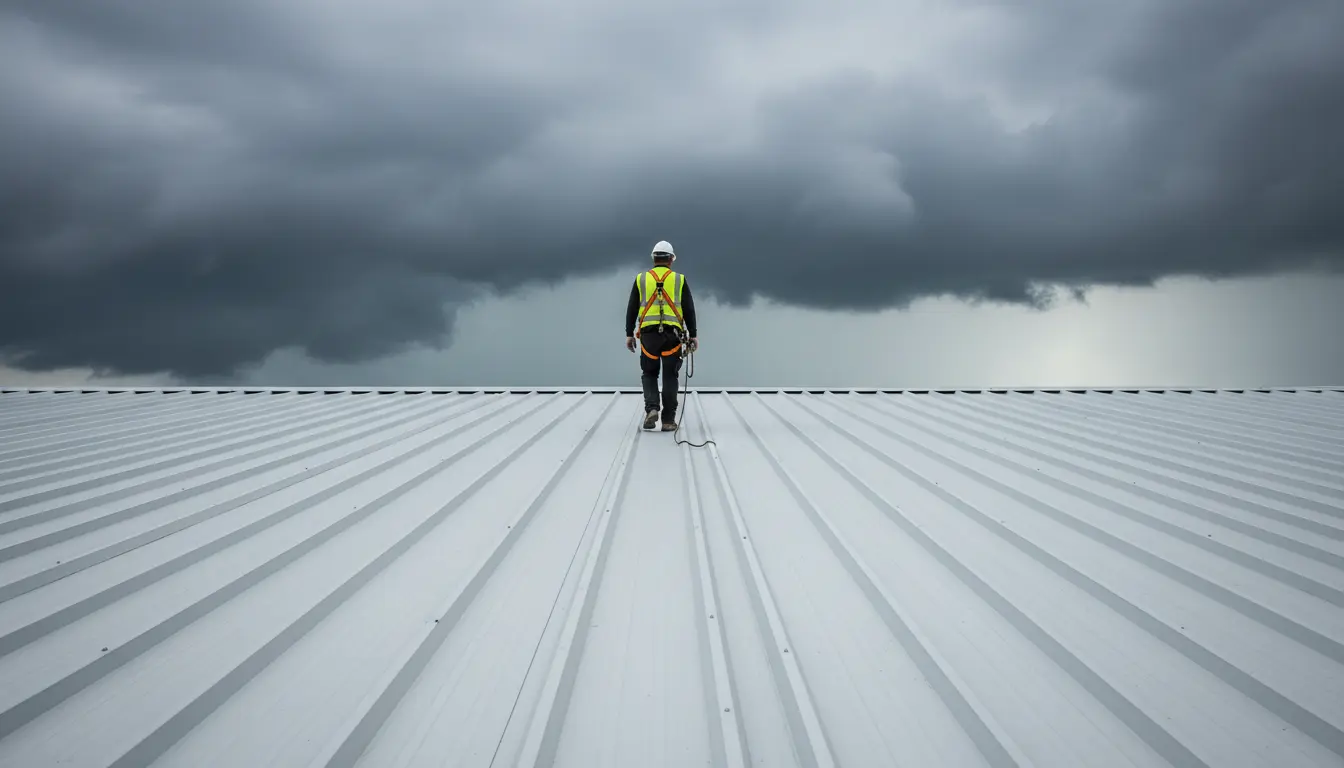
Find the Best Roof Inspectors for Your Business
No obligation • Fast responses • Nationwide coverage
Why you can trust Roof Lists
Roof Lists is a leading U.S. resource for finding and comparing roofing contractors. Our team researches providers, reviews customer feedback, and publishes clear, unbiased information. Companies cannot pay to change rankings or our editorial opinions.
Search providers near you
Best Roof Inspectors in Vermont Ranked
Maintaining a healthy roof is a critical part of homeownership in Vermont. The state's distinct climate, with its heavy snowfall, ice, and freeze-thaw cycles, places unique demands on roofing systems. A professional roof evaluation is your first line of defense against costly damage, helping to identify minor issues before they escalate into major repairs or full replacements. Regular, proactive assessments are a practical investment in your home's longevity, safety, and energy efficiency.
Understanding the specific threats posed by Vermont's weather and knowing when to schedule a professional examination can save you significant time and money. This guide outlines the key considerations for roof inspections in the Green Mountain State, from recommended frequency and common problems to inspection types and associated costs.
Why Regular Roof Inspections Are Essential in Vermont
Vermont lacks statewide mandates requiring routine inspections for existing homes, but professional guidelines strongly emphasize their importance 1. The primary reason is the climate. A roof here must withstand immense snow loads, resist wind-driven rain and hail, and survive the relentless expansion and contraction caused by temperature swings. Without regular check-ups, small vulnerabilities can quickly become entry points for water, leading to interior damage, mold growth, and structural compromise.
A thorough inspection does more than just look for leaks. It assesses the entire roofing system, including shingles, flashing, vents, gutters, and the underlying decking and attic ventilation. This holistic view is crucial because a problem in one area, like poor attic airflow, can cause a separate issue, such as ice dam formation, on the roof's surface. By catching these interconnected problems early, you preserve the integrity of your entire home.
Recommended Inspection Frequency
How often should you have your roof inspected? For Vermont homes, the consensus among roofing professionals is clear:
- Annually or Biannually: At a minimum, a comprehensive inspection should be performed once a year. Many experts recommend twice a year-ideally in the spring and fall 2. A fall inspection prepares your roof for the harsh winter ahead, ensuring it can handle snow and ice. A spring inspection assesses any damage that may have occurred over the winter and addresses issues before the summer rain season.
- After Severe Weather: Always schedule an inspection after any major weather event. This includes heavy snowstorms, significant hail, high winds, or incidents involving falling tree limbs 3. Damage from these events isn't always visible from the ground.
- For Specific Transactions or Milestones: A professional inspection is typically required during real estate transactions. It's also highly advisable if your roof is over 10-15 years old, or if you notice interior warning signs like water stains on ceilings, musty odors, or visible mold in the attic 4 5.
While homeowners can perform basic ground-level checks with binoculars for obvious issues like missing shingles or sagging gutters, a professional, hands-on inspection is irreplaceable. Roofers have the safety equipment, training, and experience to identify subtle signs of damage that an untrained eye would miss 6.
Common Roofing Issues in Vermont's Climate
Vermont's weather creates a set of predictable challenges that inspectors specifically look for:
- Ice Dams and Icicles: This is a signature winter problem for Vermont roofs. Heat escaping from a poorly insulated attic melts snow on the roof. The water runs down and refreezes at the colder eaves, forming a ridge of ice that blocks further drainage. Water then pools behind this dam and can seep under shingles, into the roof deck, and eventually into your home's interior, causing significant damage 7. Inspectors check for evidence of past ice dams and evaluate attic insulation and ventilation-the key preventative factors.
- Snow and Ice Load Stress: The weight of accumulated snow and ice is immense. Prolonged heavy loads can cause roof framing to sag or, in extreme cases, lead to collapse. Inspectors look for signs of stress, such as bowed rafters or cracks in the interior ceiling.
- Wind and Hail Damage: High winds can lift and curl shingles, break seals, and compromise the flashing around chimneys, vents, and skylights. Even small hail can cause granule loss on asphalt shingles, which accelerates aging and reduces UV protection 8 9.
- Condensation and Moisture in the Attic: The significant temperature differential between a warm house and cold outdoors can lead to condensation in the attic if ventilation is inadequate. This moisture promotes mold growth, wood rot, and reduces the effectiveness of insulation 10.
- Damaged Flashing and Penetrations: The metal or rubber materials used to seal roof penetrations are constantly expanding and contracting. Over time, this movement can cause cracks, splits, and separation, creating direct paths for water entry 11.
Find the perfect roof inspectors for your needs
Get personalized recommendations and expert advice
Types of Roof Inspections and Associated Costs
The cost of a roof inspection in Vermont is not one-size-fits-all. It depends on several factors: the size and pitch of your roof, its complexity (number of valleys, dormers, etc.), the type of inspection performed, and the contractor. Here's a breakdown of common inspection types and their typical price ranges 12 13 14:
- Basic Visual Inspection ($125 - $350): This is a standard, hands-on inspection where a professional examines the roof surface, flashing, gutters, and attic space. It provides a solid overview of the roof's condition.
- Drone Inspection ($150 - $400): For steep, high, or otherwise difficult-to-access roofs, drones offer a safe and effective way to capture high-resolution imagery. This method is excellent for initial assessments or for documenting storm damage.
- Infrared/Thermal Inspection ($400 - $600): This advanced technique uses thermal imaging cameras to detect temperature variations on the roof surface and in the attic. It can pinpoint hidden moisture, insulation gaps, and heat leaks that are invisible to the naked eye 15 16.
- Free Inspections: Many roofing contractors offer a basic visual inspection at no cost as part of providing an estimate for repair or replacement work. It's important to understand that these may be less comprehensive than a dedicated, paid inspection from a certified inspector whose only goal is to evaluate condition 17.
In Vermont, standard professional inspection costs typically fall between $200 and $600 18. More complex roofs or those requiring advanced diagnostic tools will be at the higher end of this range. Always ask what is included in the inspection and if a detailed written report with photos is provided.
What a Professional Inspector Evaluates
A comprehensive roof inspection is a systematic process. A qualified inspector will examine:
- Roof Covering: Condition of shingles (curling, cracking, missing granules), metal panels (fasteners, seams), or other materials.
- Flashing: The integrity of metal around chimneys, vents, skylights, walls, and in valleys.
- Roof Penetrations: Condition of plumbing vents, exhaust fans, and other protrusions.
- Gutters and Downspouts: For proper attachment, debris, and signs of water backup or damage.
- Soffit and Fascia: For rot, pest damage, and to ensure soffit vents are clear.
- Attic Space: For proper ventilation, insulation levels, signs of water staining, mold, or daylight coming through the roof deck.
- Structural Components: From the attic, the inspector will look at the roof deck and framing for sagging, moisture damage, or rot.
The result should be a clear, itemized report that prioritizes issues, distinguishing between minor maintenance items, recommended repairs, and critical defects that need immediate attention.
Preparing for Winter: A Vermont-Specific Checklist
Before the first snowfall, a proactive inspection is your best tool. Focus on these areas:
- Clean Gutters: Ensure they are free of leaves and debris to prevent ice dam formation at the eaves.
- Trim Overhanging Branches: Remove limbs that could break under snow load and damage the roof.
- Check Attic Ventilation: Make sure soffit, ridge, and gable vents are not blocked by insulation or storage items. Proper airflow is essential.
- Look for Damaged or Loose Shingles: Have these repaired before they can be exploited by winter weather.
- Inspect Flashings: Pay special attention to where the roof meets vertical surfaces.
Taking these steps, followed by a professional inspection, gives you peace of mind that your home is ready to face a Vermont winter.
Frequently asked questions
Sources
Footnotes
-
Inspection Checklist for Historic Buildings - https://outside.vermont.gov/agency/ACCD/ACCD_Web_Docs/_Drupal%207%20ACCD%20Website%20Document%20Library/documents/Inspection%20Checklist%20for%20Historic%20Buildings.pdf ↩
-
How Often Should You Have Your Roof Inspected | Roof Care Guide - https://greatroofingllc.com/how-often-should-you-have-your-roof-inspected/ ↩
-
How Often Should You Call a Roofer for a Roofing Inspection? - https://dollysroofing.com/how-often-should-you-call-a-roofer-for-a-roofing-inspection/ ↩
-
Roof Inspection Guide 2025 | Hulsey Roofing Co. - https://hulseyroofingstl.com/2025/04/roof-inspections-all-you-need-to-know/ ↩
-
Standards of Practice | Vermont | Gookind Property Inspection - https://www.goodkindpropertyinspections.com/standards-os-practice ↩
-
Roof Inspection Guide: Ensure Safety & Longevity - https://jamarroofing.com/the-ultimate-roof-inspection-guide/ ↩
-
The Ice Dam Problem: What Vermont Homeowners Need to Know - https://www.roddroofing.com/the-ice-dam-problem-what-vermont-homeowners-need-to-know ↩
-
Vermont Winter Roofing Company Challenges and Solutions ... - https://threemountainroofing.com/vermont-winter-roofing-company-challenges-and-solutions-for-homeowners/ ↩
-
Spotting Signs of Winter Roof Damage in Vermont - https://www.roddroofing.com/spotting-signs-of-winter-roof-damage ↩
-
Winter Roofing Ventilation Tips for Homeowners - https://1800newroof.net/blog/roofing-ventilation-winter-tips/ ↩
-
Roof Maintenance Archives - https://wernerroofing.com/blog/category/roof-maintenance/ ↩
-
How Much Does A Roof Inspection Cost? (2025 Guide) - https://armourconstruction.net/blog/roof-inspection-cost/ ↩
-
What's The Average Roof Inspection Cost? (6 Factors) - https://greatstateroof.com/blog/roof-inspection-cost/ ↩
-
How Much Does A Roof Inspection Cost? (2025) - https://roofsbyrhino.com/blog/roof-inspection-cost/ ↩
-
Roof Inspection Cost In 2025 (Types, Factors...) - https://embrysroofing.com/blog/roof-inspection-cost/ ↩
-
Roof Inspection Cost: Clear Choice Roofing Guide (2025) - https://www.clearchoiceroofingatx.com/blog/how-much-is-a-roof-inspection ↩
-
Roof Inspection Cost - https://www.clearchoiceroofingatx.com/blog/how-much-is-a-roof-inspection ↩
-
Roof Inspection Tips for Your Home - Allstate - https://www.allstate.com/resources/home-insurance/roof-inspection-tips ↩