
Find the Best Roof Inspectors for Your Business
No obligation • Fast responses • Nationwide coverage
Why you can trust Roof Lists
Roof Lists is a leading U.S. resource for finding and comparing roofing contractors. Our team researches providers, reviews customer feedback, and publishes clear, unbiased information. Companies cannot pay to change rankings or our editorial opinions.
Search providers near you
Top Roof Inspectors in Santa Monica, California Ranked
A professional roof assessment in Santa Monica is a critical investment for protecting your home against the unique coastal climate. The combination of intense sun, seasonal Santa Ana winds, and marine air can accelerate wear on roofing materials, making regular evaluations essential for early problem detection. A thorough roof examination by a qualified professional will assess the condition of shingles, tiles, flashing, and underlying structures, while also verifying that your attic ventilation meets local energy efficiency standards to combat heat buildup and prevent moisture issues.
Elite Group Inspection Professionals
Long Beach, CA
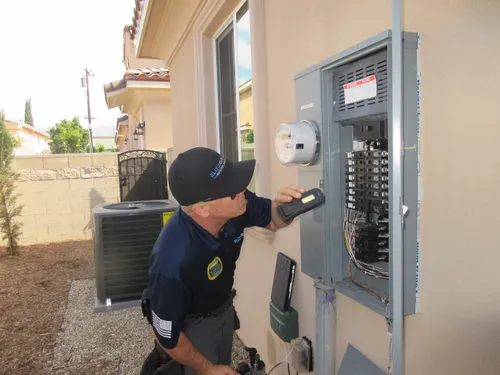
Elite Group Inspection Professionals provides comprehensive roof inspection and certification services in Long Beach, CA. They offer detailed evaluations using advanced technology to assess the condition and integrity of roofs and other home components. Established in 1984, the company has completed over 600,000 inspections, making it one of the largest home inspection providers in California. Their certified inspectors deliver thorough reports covering more than 1,800 items, helping clients make informed decisions about their properties.
IM Home Inspections
Thousand Oaks, CA
IM Home Inspections offers detailed roof inspections and certifications in Thousand Oaks, CA. They provide comprehensive home inspection services including pool and spa evaluations, sewer scope inspections, and mold testing. Their reports are clear and detailed, helping clients fully understand their property condition. The team is known for thoroughness and professionalism, with fast report delivery often within 24 hours. IM Home Inspections serves clients looking for reliable inspections whether buying a first home or expanding a property portfolio.
Global Roofing Specialist
23600 Park Sorrento, Calabasas, CA 91302
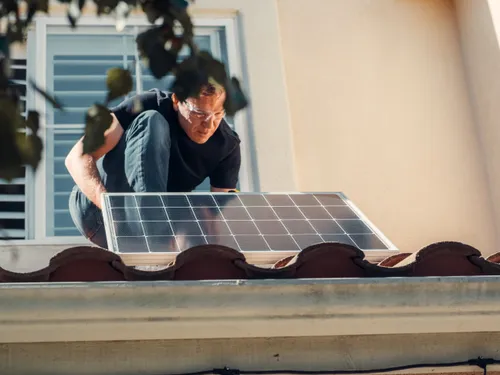
Global Roofing Specialist is a roofing contractor based in Thousand Oaks, CA, offering services including roof installation, replacement, repair, leak repair, metal roofing with standing seam, roof inspection, and certification. They provide a transparent process from inspection to cleanup, guiding clients through options like asphalt, metal, and tile roofing materials. With over 15 years of experience, the company handles full roof replacements, storm damage restoration, and maintenance to extend roof life. Their expertise includes installing standing-seam metal roofs suited for coastal weather and preparing roofs for solar panel installation.
Green Ladder Roofing and Waterproofing
155 N Lake Ave Suite 800,874, Pasadena, CA 91101
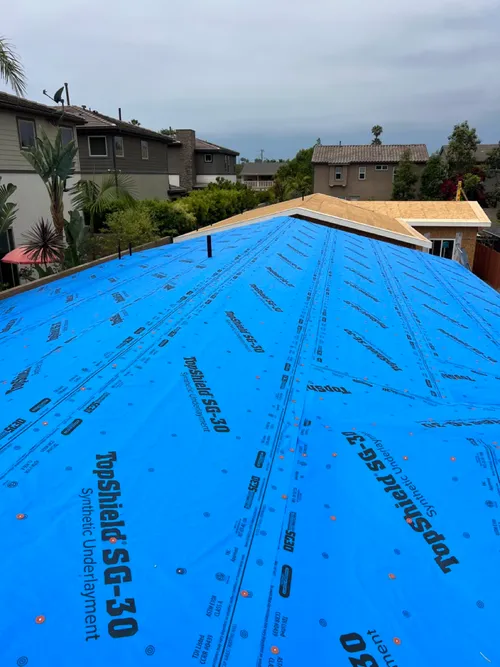
Green Ladder Roofing and Waterproofing is a second-generation roofing company serving Los Angeles, CA. They provide a full range of roofing services including installation, replacement, repair, leak repair, inspection, and certification. The company emphasizes certified expertise and uses in-house crews to maintain control over workmanship. With over 20 years of experience, Green Ladder Roofing offers enhanced warranties and specializes in both residential and commercial roofing projects, including emergency restorations and waterproofing solutions.
The Roofer Bros & Construction
8363 Reseda Blvd #205, Northridge, CA 91325
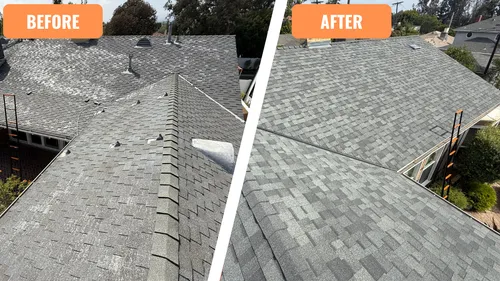
The Roofer Bros & Construction is a family-owned roofing company serving Simi Valley, CA, and the greater Los Angeles area. They specialize in residential and commercial roofing services including roof installation, repair, replacement, and inspection. Their team also offers gutter installation and handles permits and inspections to ensure a smooth project process. Known for working with high-quality materials and providing detailed roof assessments, they have experience with shingle roofs, seamless gutters, and roof certifications. The company has built a reputation through numerous roofing projects across Los Angeles and nearby beach communities, focusing on local roofing needs and customer communication.
Why Santa Monica Homes Need Specialized Roof Evaluations
The environmental conditions in Santa Monica present specific challenges for residential roofs. Prolonged exposure to ultraviolet (UV) radiation from the sun is a primary concern, as it can cause materials like asphalt shingles to become brittle and lose their protective granules. The strong winds common to the area, particularly during fall, can test the integrity of flashing and dislodge loose or damaged tiles or shingles. Furthermore, the proximity to the ocean can introduce salt air and moisture, which may contribute to corrosion on metal components or the growth of algae on north-facing slopes. A localized roof inspection focuses on these exact failure points to ensure your home's first line of defense is secure.
Core Components of a Comprehensive Roof Check
A complete residential roof survey examines three key areas: the exterior, the interior (attic), and the drainage systems. This multi-point approach provides a full picture of your roof's health.
Exterior Inspection Points
From the ground and safely on the roof, inspectors look for visible signs of damage and wear:
- Shingles & Tiles: For asphalt shingles, inspectors check for cracking, curling, cupping, and significant granule loss in gutters. For the clay or concrete tiles common in the area, they look for cracks, chips, and tiles that have shifted out of place.
- Flashing: This metal material seals joints around chimneys, vents, skylights, and walls. Inspectors check for rust, cracks, loose sections, or failed sealant.
- Vents and Pipe Boots: The rubber or plastic seals (boots) around plumbing vents are inspected for dry rot, cracking, or separation.
- Gutters and Downspouts: The system is checked for proper alignment, secure attachment, clogs, and signs of back-up or overflow that can cause water intrusion.
- Fascia and Soffits: These wooden or metal boards are examined for rot, pest damage, or peeling paint, which can indicate water issues.
- Overall Structure: The inspector looks for signs of sagging rooflines or dips, which could indicate deeper structural concerns.
Interior & Attic Inspection Points
Problems often manifest inside before they are obvious outside. A critical part of the inspection happens in the attic:
- Decking and Sheathing: Inspectors look for daylight visible through the roof boards, which indicates gaps. They also check for dark stains or streaks, which are evidence of past or active water leaks 1.
- Mold and Moisture: Signs of mold growth, mildew, or a musty odor are red flags for poor ventilation or a leak.
- Insulation: The depth and condition of insulation are noted. Wet or compacted insulation is ineffective and points to moisture problems.
- Ventilation: This is crucial in Santa Monica's climate. Inspectors verify that intake (soffit) and exhaust (ridge or gable) vents are clear, properly balanced, and sufficient in size to allow hot air to escape, reducing cooling costs and extending roof life.
Material-Specific Concerns in Santa Monica
- Asphalt Shingles: UV damage leads to granule loss, reducing fire resistance and weather protection. Heat can also cause thermal splitting 2.
- Clay/Concrete Tiles: While durable, they are brittle and can crack from impact or thermal stress. The underlayment beneath them is vital and must be checked for degradation.
- Metal Roofing: Inspectors look for corrosion, especially near the coast, and ensure fasteners are tight and sealants are intact.
- Flat or Low-Slope Roofs: Common on many Santa Monica homes, these require checking the membrane for blisters, cracks, and, most importantly, areas of ponding water that can lead to leaks 3.
Find the perfect roof inspectors for your needs
Get personalized recommendations and expert advice
Understanding Roof Inspection Types and Associated Costs
The scope-and therefore the cost-of a roof evaluation can vary based on your needs, the size of your home, and the technology used.
- Basic Visual Inspection ($150 - $300): This is a standard, non-invasive evaluation performed from the ground, ladder, and possibly a walk on the roof. It includes a visual checklist of the exterior components and a basic attic check. It's suitable for routine maintenance or pre-purchase due diligence 4.
- Detailed/Comprehensive Inspection ($300 - $750+): This is an in-depth analysis ideal for older homes, after severe weather, or when buying a property. It involves a hands-on exterior check, a thorough attic examination assessing structure and ventilation, and often includes diagnostic technology. For larger, multi-level, or complex roof designs in Santa Monica, prices can reach the higher end of this range or exceed it 5 6 7.
The value of a detailed inspection lies in its ability to uncover hidden problems like moisture trapped in insulation or insufficient ventilation that a basic look might miss, ultimately saving you from costly repairs down the line.
The Role of Advanced Technology in Modern Inspections
Professional roof assessors now use tools that go beyond the human eye:
- Drone Aerial Photography: Drones provide safe, high-resolution images of hard-to-see areas like steep pitches or tall sections, offering a comprehensive top-down view without risking safety.
- Infrared (Thermal) Imaging: This technology detects subtle temperature differences on the roof surface. Wet insulation or trapped moisture under membranes appears cooler than dry areas, revealing leaks long before water stains appear on your ceiling 8.
- Moisture Meters: These handheld tools are used in the attic to precisely measure the moisture content in wood decking and insulation, confirming suspicions from visual or thermal scans.
These technologies provide objective data, creating a more accurate assessment and helping prioritize any necessary repairs.
Local Building Codes and Energy Efficiency Considerations
Roofing work in Santa Monica must comply with the Los Angeles Department of Building and Safety (LADBS) codes, which include specific energy provisions. Inspectors familiar with local requirements will evaluate:
- Cool Roofing: Reflective roof materials that meet specific Solar Reflectance Index (SRI) values may be encouraged or required to reduce the urban heat island effect and lower cooling energy use.
- Ventilation Standards: Proper attic ventilation is not just a recommendation; it's a code requirement for moisture control and energy efficiency. An inspection will verify your home meets these standards.
- Wind Resistance: Given the local wind patterns, the inspection may note whether roofing materials and installation methods appear adequate for the region's wind uplift requirements.
How to Prepare for a Roof Inspector's Visit
To ensure a smooth and efficient inspection process:
- Clear Access: Ensure a clear path to your attic access point and move any stored items away from the attic entrance and perimeter.
- Trim Landscaping: Trim back tree branches that are touching or overhanging the roof to allow for clear visibility.
- Note Concerns: Write down any specific issues you've observed, such as interior water stains, drafts, or areas where granules are collecting in gutters.
- Provide Documentation: Have copies of any previous inspection reports, roof warranties, or records of repairs available for the inspector.
- Secure Pets: Keep pets indoors or in a secure area for their safety and to allow the inspector to work without distraction.
Frequently asked questions
Sources
Footnotes
-
5 Tips for a Roof Inspection | AHS - American Home Shield - https://www.ahs.com/home-matters/repair-maintenance/diy-tips-roof-inspection/ ↩
-
Roof Inspection Checklist for Residential Shingle Roofs ... - https://www.iko.com/blog/roof-inspection-checklist/ ↩
-
Ultimate Guide to Roof Inspection Prep - https://primeamericanroofing.com/ultimate-guide-to-roof-inspection-prep/ ↩
-
The Cost Of Roof Inspection For Your Home or Office - https://www.certaroof.com/resources/roof-inspection-cost/index.html ↩
-
Guide to Local Roof Inspection Requirements in LA - https://primeamericanroofing.com/guide-to-local-roof-inspection-requirements-in-la/ ↩
-
How Much Does Roof Inspection Cost In 2025? - https://capstoneroofing.biz/blog/roof-inspection-cost/ ↩
-
Roof Inspection Guide 2025 | Hulsey Roofing Co. - https://hulseyroofingstl.com/2025/04/roof-inspections-all-you-need-to-know/ ↩
-
Thermal Roof Inspections - https://sitesting.net/thermal-roof-inspections/ ↩