
Find the Best Roof Inspectors for Your Business
No obligation • Fast responses • Nationwide coverage
Why you can trust Roof Lists
Roof Lists is a leading U.S. resource for finding and comparing roofing contractors. Our team researches providers, reviews customer feedback, and publishes clear, unbiased information. Companies cannot pay to change rankings or our editorial opinions.
Search providers near you
Top Roof Inspectors in Covina, California Ranked
A professional roof inspection is a critical evaluation of your home's first line of defense against the Southern California sun. In Covina's Climate Zone 9, characterized by intense heat and sun exposure, a thorough assessment goes beyond looking for leaks to proactively identifying sun-induced wear and ensuring your roof system is optimized for the local environment. A qualified inspector will examine everything from the surface materials to the attic ventilation, providing a clear picture of your roof's health and any necessary maintenance or repairs to extend its lifespan and protect your investment.
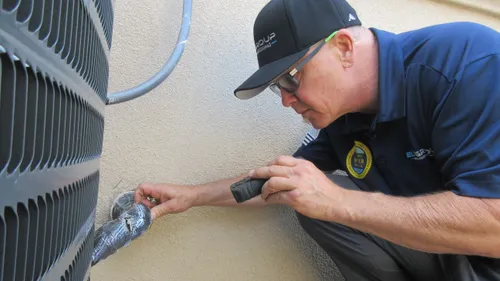
Elite Group Inspection Professionals
9480 Utica Ave #608, Rancho Cucamonga, CA 91730
Elite Group Inspection Professionals offers comprehensive roof inspection and certification services in Anaheim, CA. Established in 1984, they provide detailed home inspections covering roofing, windows, doors, HVAC, electrical, plumbing, and structural elements. Their team ensures thorough evaluations including roof flashing and trim inspections to identify potential issues. With over 600,000 inspections completed across Southern California, Elite Group supports homebuyers with detailed reports and expert insights.
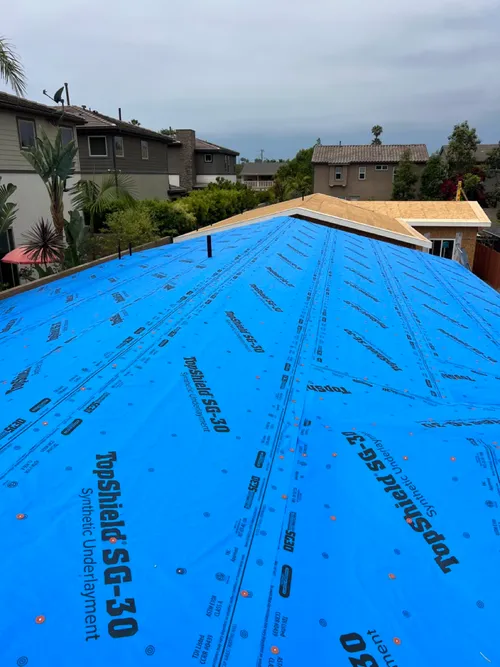
Green Ladder Roofing and Waterproofing
155 N Lake Ave Suite 800,874, Pasadena, CA 91101
Green Ladder Roofing and Waterproofing is a second-generation roofing company serving Los Angeles, CA. They provide a full range of roofing services including installation, replacement, repair, leak repair, inspection, and certification. The company emphasizes certified expertise and uses in-house crews to maintain control over workmanship. With over 20 years of experience, Green Ladder Roofing offers enhanced warranties and specializes in both residential and commercial roofing projects, including emergency restorations and waterproofing solutions.
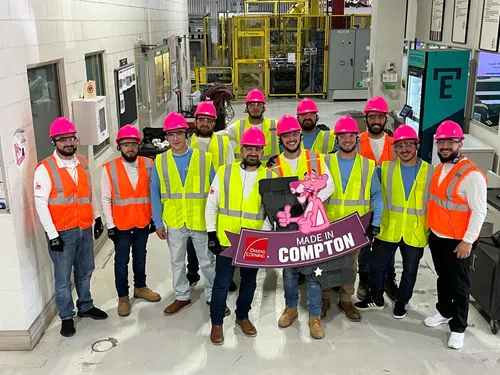
Clear View Roofing & Construction
1003 Chestnut St, Burbank, CA 91506
Clear View Roofing & Construction is a licensed and insured roofing company serving Glendale, CA. They provide comprehensive roofing services for both residential and commercial properties, including roof installation, replacement, repair, leak repair, and roof inspections. As a Preferred Contractor for Owens Corning, they offer up to a 50-year warranty on shingle roof replacements and new roofs. The company is recognized for attention to detail and uses modern premium materials to ensure durable and reliable roofing solutions.
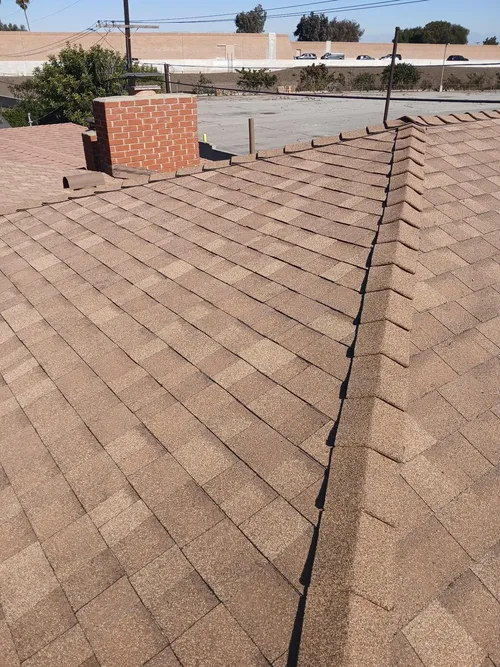
All In Roofing
800 S Eastman Ave, Los Angeles, CA 90023
All In Roofing is a roofing contractor based in Los Angeles, CA, offering a wide range of residential and commercial roofing services. Their expertise includes roof installation, replacement, repair, leak repair, and roof inspections. They specialize in various roofing materials such as tile, shingle, flat, and torch-down roofing. The company emphasizes quality workmanship using advanced equipment and provides tailored solutions to meet diverse roofing needs. With over 20 years of experience, All In Roofing is a certified company committed to industry standards and offers comprehensive warranties on materials and workmanship.
Trident Inspection Group
5264 Bishop St Unit E, Cypress, CA 90630
Trident Inspection Group provides certified home and commercial property inspections in Irvine, CA, and surrounding areas including Cypress, Westminster, and Anaheim. Their services cover roof inspections, chimney inspections, termite and pest control, sewer inspections using camera technology, indoor air quality and mold testing, and home hardening for wildfire safety. The company offers same-day comprehensive reports with repair estimates to help clients make informed decisions. Trident Inspection Group employs certified inspectors and adheres to standards from several professional organizations. They offer next-day appointments and have a quality control process to ensure thorough inspections.
What a Covina Roof Inspector Looks For
A comprehensive roof evaluation in Covina follows a systematic checklist, with a keen eye for issues exacerbated by the local climate. Here's what you can expect the inspection to cover.
Exterior Surface Examination
The inspector begins with a detailed visual assessment of all roofing materials.
- Shingles and Tiles: For asphalt shingles, the focus is on sun-induced damage like curling, blistering, and excessive granule loss, which accelerates aging. For tile roofs, inspectors look for cracks, broken pieces, or tiles that have become brittle from prolonged heat exposure.
- Flashing: This metal material seals joints at chimneys, vents, walls, and skylights. Inspectors check for rust, cracks, separation, or improper sealing, as failed flashing is a primary cause of leaks, especially when materials expand and contract in the heat.
- Penetrations and Seals: Rubber boots and seals around plumbing vents, pipes, and other roof penetrations are inspected for dryness, cracking, or deterioration, which is common under strong UV rays.
Gutter, Fascia, and Soffit Check
Proper water management is vital for preventing moisture issues.
- Gutters and Downspouts: The inspector looks for debris blockages, sagging, improper slope, and signs of rust or damage. They ensure water is effectively channeled away from the home's foundation.
- Fascia and Soffits: These components are checked for rot, pest damage, or paint failure. Soffits are also evaluated to ensure ventilation intake areas are not blocked 1.
Attic and Interior Assessment
A complete inspection must include the attic, as internal signs often reveal critical issues.
- Ventilation: The inspector verifies that intake (soffit) and exhaust (ridge or gable) vents are unobstructed and adequate in size. Proper attic ventilation is crucial in Covina to expel trapped heat and moisture, which can otherwise lead to premature roof deck deterioration, high energy bills, and mold growth 2.
- Insulation: The depth and condition of insulation are noted. In some cases, inspectors may discuss the benefits of radiant barriers to reflect solar heat, a valuable upgrade for local homes.
- Decking and Structure: From inside the attic, the inspector looks at the roof deck (sheathing) for any signs of sagging, water stains, dark spots, or rot. They also check for adequate roof slope, as building codes require a minimum 2:12 slope for asphalt shingle installation.
Why Covina's Climate Demands Special Attention
Covina's weather patterns directly influence common roofing problems and inspection priorities.
- High Heat and UV Exposure: Constant sun bakes roofing materials, causing asphalt shingles to lose protective granules and become brittle. Tile materials can also crack under thermal stress. An inspection here focuses heavily on material flexibility and surface degradation 3.
- Building Code Compliance: Inspections ensure your roof meets specific California and local Covina requirements. Key codes include the minimum slope for materials, proper underlayment (often requiring two layers for slopes below 4:12), and the use of approved materials, especially in designated fire zones where Class A-rated roofing may be required 4.
- Preventative Focus: The goal is to catch small issues-like a cracked vent boot or minor granule loss-before they escalate into major leaks or interior damage, which can be more costly to repair.
Understanding Inspection Types and Associated Costs
Not all roof evaluations are the same. The scope of work typically determines the cost.
- Basic Visual Inspection ($150 - $250): Often conducted from ground level with binoculars and possibly a brief attic check. This is suitable for routine, annual check-ups or for a general condition report, but may miss subtle details 5.
- Comprehensive Hands-On Inspection ($300 - $500+): This is the standard for a pre-purchase home inspection or a detailed assessment of a known issue. The inspector will safely walk the roof (or use a drone for steep or delicate roofs), perform a thorough attic examination, and provide a detailed written report with photos. This report covers all checklist items and is essential for planning repairs or understanding a roof's true remaining life 6 7 8.
Find the perfect roof inspectors for your needs
Get personalized recommendations and expert advice
The Value of a Detailed Inspection Report
The final deliverable from a professional inspection is a comprehensive report. This document should be more than a simple pass/fail; it should serve as a roadmap for your roof's maintenance.
- Photo Documentation: Clear, labeled photos of any issues found, such as damaged flashing or attic mold, help you understand the problem and provide crucial evidence for insurance claims or contractor bids.
- Prioritized Recommendations: A good report will categorize findings into immediate concerns (e.g., active leak), recommended repairs (e.g., failing sealant), and preventative maintenance items (e.g., cleaning gutters). This helps you budget and plan effectively.
- Code and Compliance Notes: The report may note any areas where the existing roof does not meet current building codes, which is vital information for any future renovation or repair work 9.
Preparing for Your Roof Inspection
To ensure the inspection is as smooth and informative as possible, homeowners can take a few simple steps.
- Provide Clear Access: Ensure the inspector can easily access the attic, including moving any stored items away from the access point and the attic perimeter. Clear any yard debris or furniture that might block a ladder's path to the roof.
- Gather Documentation: Have any previous inspection reports, warranty information, or records of recent repairs available for the inspector to review.
- Note Your Concerns: Write down any specific issues you've observed, such as interior water stains, drafts, or areas where granules are accumulating in gutters. Pointing these out helps the inspector investigate those areas particularly closely.
Frequently asked questions
Sources
Footnotes
-
A Handy Roof Inspection Checklist For New Homeowners - https://roofmedic.com/blog/roof-inspection-checklist/ ↩
-
Roof Inspection Checklist for Residential Shingle Roofs ... - https://www.iko.com/blog/roof-inspection-checklist/ ↩
-
Ultimate Guide to Roof Inspection Prep - https://primeamericanroofing.com/ultimate-guide-to-roof-inspection-prep/ ↩
-
RESIDENTIAL RE-ROOF - Covina - https://covinaca.gov/wp-content/uploads/2024/01/05-Handout-Residential-Re-Roofopt.pdf ↩
-
How Much Does Roof Inspection Cost In 2025? - https://capstoneroofing.biz/blog/roof-inspection-cost/ ↩
-
Roof Inspection in Covina, CA - Covina Roofing Company - https://roofingcovina.com/roof-inspection/ ↩
-
Roof Inspection in West Covina, CA - Costs 12 / 2025 - Homeyou - https://www.homeyou.com/ca/roof-inspection-west-covina-costs ↩
-
How Much Does A Roof Inspection Cost In 2025? - https://firstamericanroofing.com/blog/roof-inspection-cost/ ↩
-
Meet California Roofing Requirements and Building Codes with CeDUR - https://www.cedur.com/california-residential-roofing-codes ↩