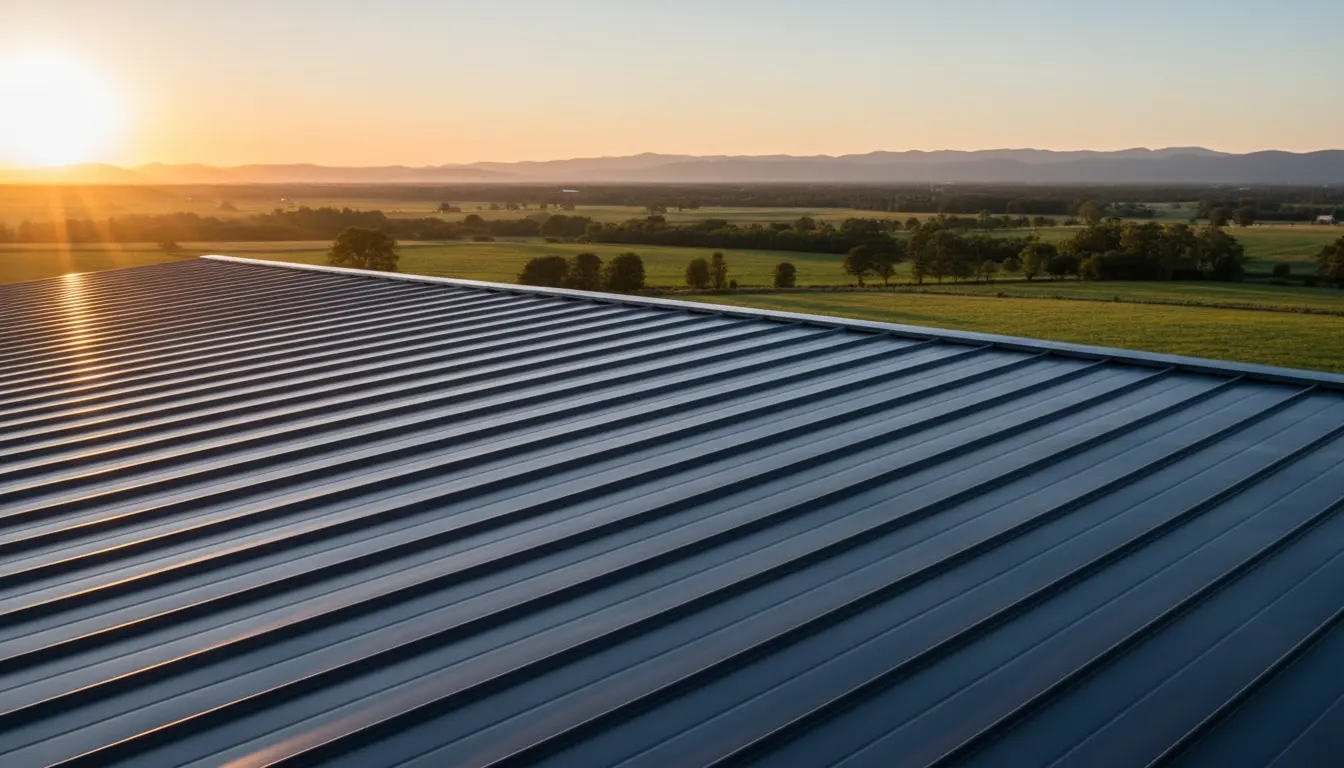
Find the Best Metal Roofing Companies for Your Business
No obligation • Fast responses • Nationwide coverage

Why you can trust Roof Lists
Roof Lists is a leading U.S. resource for finding and comparing roofing contractors. Our team researches providers, reviews customer feedback, and publishes clear, unbiased information. Companies cannot pay to change rankings or our editorial opinions.
Search providers near you
Top Metal Roofing Companies in Brentwood, Tennessee Ranked
For Tennessee homeowners, choosing a roof is a significant decision that must balance durability, aesthetics, and performance against the state's unique climate. Metal roofing has become an increasingly popular choice, offering a long-lasting, energy-efficient solution well-suited to handle everything from the humid summers of Memphis to the high winds of the Cumberland Plateau and the freeze-thaw cycles in the Smokies. This guide provides a detailed look at metal roofing systems, their benefits for Tennessee homes, installation considerations, and costs to help you make an informed decision.
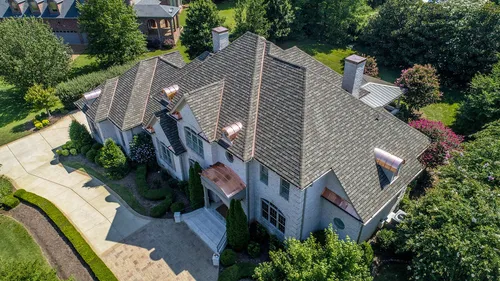
Centennial Roofing
5042 Thoroughbred Ln # 200, Brentwood, TN 37027
Centennial Roofing is a roofing contractor based in Nashville, TN, offering residential and commercial roofing services. They provide roof repair, replacement, and installation using materials such as asphalt shingles, tile, slate, and metal roofing systems including standing seam metal roofs. The company also handles storm damage repairs, roof inspections, and assists with insurance claims to support clients through the restoration process. Centennial Roofing works with leading manufacturers like GAF and Owens Corning to ensure durable and energy-efficient roofing solutions. Their team includes licensed public adjusters who advocate for clients during insurance claims, helping to secure appropriate coverage. Centennial Roofing is known for precision craftsmanship and clear communication throughout each project.
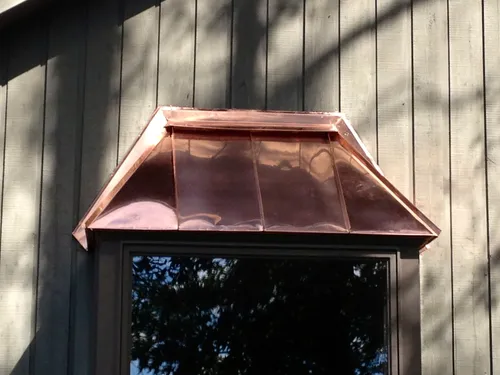
Metal Formers, Inc.
9485 Lebanon Rd, Mt. Juliet, TN 37122
Metal Formers, Inc. is a metal roofing contractor and supplier based in Mt. Juliet, Tennessee, serving Nashville and the surrounding Middle Tennessee area. They specialize in metal roofing installation and replacement, including standing seam metal roofs, as well as custom metal fabrication for roofing trim, panels, flashing, and roof coping. Their in-house equipment allows for precise fabrication and fast turnaround times, supporting both residential and commercial projects. Metal Formers, Inc. offers a wide range of metal roofing materials and accessories, emphasizing durable, energy-efficient, and low-maintenance metal roofing solutions.
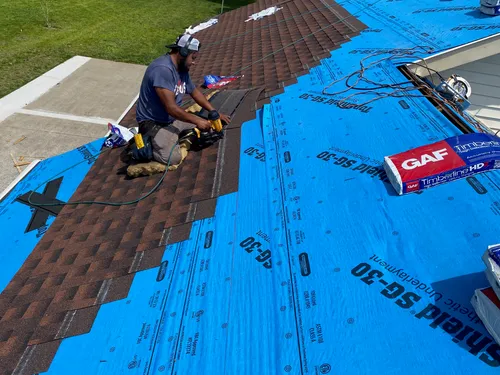
Trusted Roofing
129 Haven St B, Hendersonville, TN 37075
Trusted Roofing is a veteran-led roofing contractor based in Hendersonville, TN, serving the Nashville area with residential and commercial roofing services. They specialize in roof installation, replacement, repair, leak repair, roof inspection, and certification. The company offers tailored roofing solutions including metal roofing and standing seam options, focusing on both functional and aesthetic aspects to enhance property value. Trusted Roofing has a strong reputation supported by over 150 five-star reviews and emphasizes thorough roof inspections and emergency roofing services for urgent repairs.
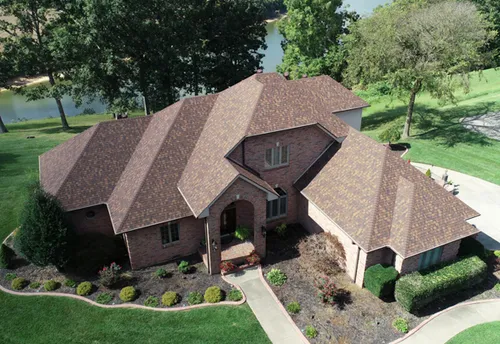
QE Roofing
725 Cool Springs Blvd, Franklin, TN 37067
QE Roofing is a roofing contractor based in Nashville, TN, specializing in both commercial and residential roofing services. They offer roof installation, replacement, repair, leak repair, and roof inspections with certification. The company is certified in installing various roofing systems including TPO, PVC, EPDM, shingles, elastomeric coatings, and standing seam metal roofs. QE Roofing emphasizes thorough roof inspections using video documentation and provides detailed repair and replacement services. Their team includes full-time on-site project managers who oversee daily operations and ensure quality control. They have been serving the Nashville area for over six years.
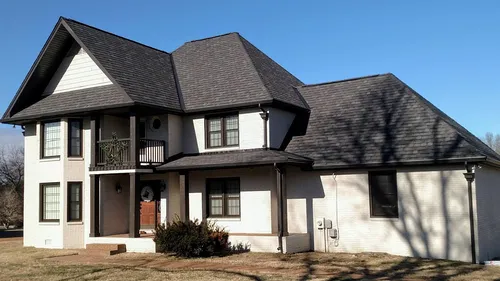
Stones River Roofing
2615 Medical Center Pkwy Suite 1560 #230, Murfreesboro, TN 37129
Stones River Roofing is a roofing contractor serving the Nashville, TN area with services including roof installation, replacement, leak repair, metal roofing, roof inspection, and certification. Established in 2019, the company is fully licensed and insured, offering GAF-certified roofing solutions that emphasize durability and quality. They assist clients with insurance claims and provide expertise in various roofing materials, including standing seam metal roofs. Stones River Roofing focuses on delivering tailored roofing services suited to local needs and climate conditions.
Why Metal Roofing is a Smart Choice for Tennessee
Tennessee's weather presents a range of challenges for any roofing material. The combination of hot, humid summers, heavy seasonal rains, potential for high winds and hail, and winter ice makes resilience a top priority. A metal roof excels in this environment for several key reasons:
- Superior Durability: High-quality metal roofing systems are rated to withstand winds well over 100 mph, are non-combustible (Class A fire rating), and offer excellent resistance to impact from hail and falling debris 1.
- Energy Efficiency: Metal roofs are highly reflective, deflecting a significant portion of the sun's solar radiant heat. This can reduce cooling costs by 10-25% during Tennessee's hot summers, a compelling benefit for energy-conscious homeowners 2 3.
- Weather Shedding: The smooth, hard surface of a metal roof allows rain, snow, and ice to slide off easily. This prevents the weight buildup of heavy snow and, crucially, minimizes the risk of ice dams that can cause water backup and interior damage during winter thaws 4.
- Longevity: While traditional asphalt shingles may last 15-25 years in Tennessee's climate, a properly installed metal roof can last 40-70 years, depending on the material, making it a long-term investment 5.
Common Metal Roofing Systems and Materials
Not all metal roofs are the same. The system and material you choose will impact the roof's appearance, performance, and cost.
Primary System Types
- Standing Seam: This is considered the premium residential option. It features vertical panels with raised seams that interlock mechanically. The fasteners are concealed within the seam, eliminating potential leak points and creating a clean, modern profile. Its design allows for natural thermal expansion and contraction, making it exceptionally durable in Tennessee's temperature swings 6.
- Corrugated Metal Panels: Recognizable by their classic wavy pattern, these panels are attached with exposed fasteners. They are often a more budget-friendly option and are commonly used on agricultural, commercial, and residential outbuildings. With proper installation and maintenance, they can be a viable choice for homes, particularly rustic or modern styles 7.
- Metal Shingles or Tiles: These are individual panels stamped to mimic the look of traditional materials like slate, wood shakes, or even asphalt shingles. They offer the durability and longevity of metal while providing a classic or rustic aesthetic that can complement historic or traditional Tennessee home styles 8.
- Stone-Coated Steel: This system features a steel panel base with a textured coating of stone granules. It combines the strength of steel with the aesthetic appeal and enhanced impact resistance of composite materials, often resembling clay tile or wood shake 9.
Common Materials
- Steel: The most common material, typically coated with a zinc layer (galvanized) or an aluminum-zinc alloy (Galvalume®) for corrosion resistance. It is strong and cost-effective.
- Aluminum: Naturally corrosion-resistant, making it an excellent choice for homes in humid environments or near bodies of water. It is lighter than steel but often comes at a higher price point 10.
- Copper & Zinc: These are premium, natural metals that develop a protective patina over time. They offer unparalleled longevity and a distinct, evolving appearance but are the most expensive options.
Installation, Codes, and Permits in Tennessee
A metal roof's performance is only as good as its installation. In Tennessee, installations must comply with state and local building codes, which are generally based on the International Residential Code (IRC) and International Building Code (IBC) 11.
Key installation factors regulated by code include:
- Underlayment: A high-quality synthetic or felt underlayment is required as a secondary moisture barrier beneath the metal panels. The specific type and application method are critical for preventing water intrusion 12.
- Fastening: Codes specify the use of corrosion-resistant fasteners (screws, not nails) with proper washers. They must meet minimum diameter and penetration requirements into the roof deck or structural supports to resist wind uplift, which is a common concern in Tennessee 13 14.
- Flashing: All penetrations (vents, chimneys, walls) and edges require flashing made of corrosion-resistant metal of a minimum thickness, installed per manufacturer specifications to direct water away from vulnerable areas.
- Structural Standards: The roofing system must be designed to support minimum load requirements for snow, wind, and maintenance personnel. Where metal panels serve as both the roof deck and covering, they must be tested to standards like ASTM E1592 15.
- Ventilation: Proper attic ventilation is not just a recommendation-it's essential. In Tennessee's humidity, adequate intake and exhaust ventilation prevent condensation under the metal panels, which can lead to wood rot and reduced energy efficiency 16 17.
Permits: A building permit is almost always required for a roof replacement in Tennessee. Reputable contractors will typically handle the permit application process, and the fee is usually incorporated into the overall project quote 18.
Find the perfect metal roofing companies for your needs
Get personalized recommendations and expert advice
Understanding Metal Roofing Costs in Tennessee
The investment for a metal roof is higher upfront than for asphalt shingles, but its longevity and performance often provide greater value over time. For a typical single-family home in Tennessee, total installation costs generally range from $15,000 to $45,000 19. The wide range is due to several factors:
- Material and System: Standing seam systems cost more than exposed-fastener corrugated panels. Copper is far more expensive than painted steel.
- Roof Complexity: A simple gable roof is less expensive to cover than a roof with multiple valleys, dormers, skylights, and steep pitches.
- Existing Roof Removal: The cost to tear off and dispose of one or more layers of old shingles adds to the project total.
- Local Labor Rates: Costs can vary between metropolitan areas like Nashville or Knoxville and more rural regions.
Here's a breakdown of average costs for a 2,000-square-foot roof:
| Metal Roof Type | Cost Per Sq. Ft. (Material + Install) | Avg. Total Cost (2,000 sq. ft.) |
|---|---|---|
| Galvanized Steel (Corrugated) | $8.00 - $12.00 | $16,000 - $24,000 |
| Painted Steel (Standing Seam) | $10.00 - $16.00 | $20,000 - $32,000 |
| Aluminum | $12.00 - $18.00 | $24,000 - $36,000 |
| Copper | $20.00 - $30.00+ | $40,000 - $60,000+ |
Cost estimates are based on 2025 data and can vary widely based on market conditions, specific products, and contractor pricing 20 21.
Maintenance and Long-Term Considerations
One of the appeals of metal roofing is its low maintenance. However, to maximize its lifespan in Tennessee, periodic checks are advisable:
- Annual Inspections: After severe weather seasons, visually inspect your roof from the ground for any obvious damage or debris accumulation.
- Cleaning: While rain typically keeps a metal roof clean, areas under overhanging trees may develop streaks from organic debris. Gentle cleaning with a soft brush and mild detergent can maintain its appearance.
- Fastener and Sealant Check: Over many years, sealants at penetrations can degrade. During professional inspections (recommended every few years), a contractor can check the condition of sealants and ensure no fasteners have worked loose.
- Preventing Galvanic Corrosion: Avoid allowing dissimilar metals (like copper flashing running onto an aluminum roof) to contact each other, as this can cause accelerated corrosion. Professional installers will use appropriate separators or compatible materials.
Frequently asked questions
Sources
Footnotes
-
5 Reasons Why Metal Roofs Are Popular Choice in Middle ... - https://dowellroofingtn.com/5-reasons-why-metal-roofs-are-popular-choice-in-middle-tennessee-advantages-and-benefits/ ↩
-
Why Metal Roofs Are A Green Choice For Nashville Homeowners - https://fitzroofing.com/metal-roofs-green-choice-homeowners-nashville/ ↩
-
8 Benefits of a Metal Roof for Homeowners in Tennessee - https://www.omniaroofing.com/8-benefits-of-a-metal-roof-for-homeowners-in-tennessee/ ↩
-
The Benefits of Installing a Metal Roof in Nashville, TN Before Winter - https://guttermantn.com/the-benefits-of-installing-a-metal-roof-in-nashville-tn-before-winter/ ↩
-
Residential Roofing: What is the Best Type of Roof for Tennessee Homes? - https://www.decra.com/blog/residential-roofing-what-is-the-best-type-of-roof-for-tennessee-homes ↩
-
Metal Roofs in Knoxville, TN - Trinity Services - https://www.trinityrestorationtn.com/roofing/roof-types/metal-roofing/ ↩
-
Top Metal Roof Styles for Nashville's Weather - https://www.themetalroofers.com/blog/top-metal-roof-styles-for-nashvilles-weather ↩
-
Popular Metal Roofing Choices In Franklin? - https://forceroofingsystems.com/discovering-top-choices-franklin-force-roofing-systems/ ↩
-
How Much Does a New Metal Roof Cost in Clarksville - https://bestchoiceroofing.com/clarksville/new-metal-roof-cost-clarksville/ ↩
-
Knoxville Metal Roofing: The Ultimate Guide to Benefits ... - https://coverproroofing.com/knoxville-metal-roofing-the-ultimate-guide-to-benefits-installation-maintenance/ ↩
-
Chapter 15 Roof Assemblies and Rooftop Structures - UpCodes - https://up.codes/viewer/tennessee/ibc-2012/chapter/15/roof-assemblies-and-rooftop-structures ↩
-
Chapter 9 Roof Assemblies: Knoxville Residential Code 2024 - https://up.codes/viewer/knoxville/irc-2024/chapter/9/roof-assemblies ↩
-
Chapter 9 Roof Assemblies: Tennessee Residential Code 2018 - https://up.codes/viewer/tennessee/irc-2018/chapter/9/roof-assemblies ↩
-
Chapter 9 Roof Assemblies: Nashville and Davidson ... - UpCodes - https://up.codes/viewer/nashville/irc-2018/chapter/9/roof-assemblies ↩
-
2021 International Building Code (IBC) - 1504.4.2 Structural metal ... - https://codes.iccsafe.org/s/IBC2021P1/chapter-15-roof-assemblies-and-rooftop-structures/IBC2021P1-Ch15-Sec1504.4.2 ↩
-
Weather-Resistant Roofing Materials: A Complete Guide - https://www.jeffwoodsconstruction.com/blog/weather-resistant-roofing-materials-a-complete-guide ↩
-
Pros and Cons of Metal Roofing for Tennessee Homes - https://smithroofingservice.com/metal-roofing-benefits-drawbacks/ ↩
-
Navigating Roofing Permits in Chattanooga: Avoid Legal Pitfalls - https://www.sentriroofing.com/roofing-blog/roofing-permits-legal-requirements-chattanooga/ ↩
-
Cost of a Metal Roof in Tennessee: Key Factors to Know (2025) - https://qualityexteriors.com/blog/metal-roof-cost ↩
-
What Does a Metal Roof Cost to Install? [2025 Data] - HomeAdvisor - https://www.homeadvisor.com/cost/roofing/metal-roof-installation/ ↩
-
Metal Roof Cost And Price Guide For 2025 - https://www.westernstatesmetalroofing.com/metal-roof-cost ↩