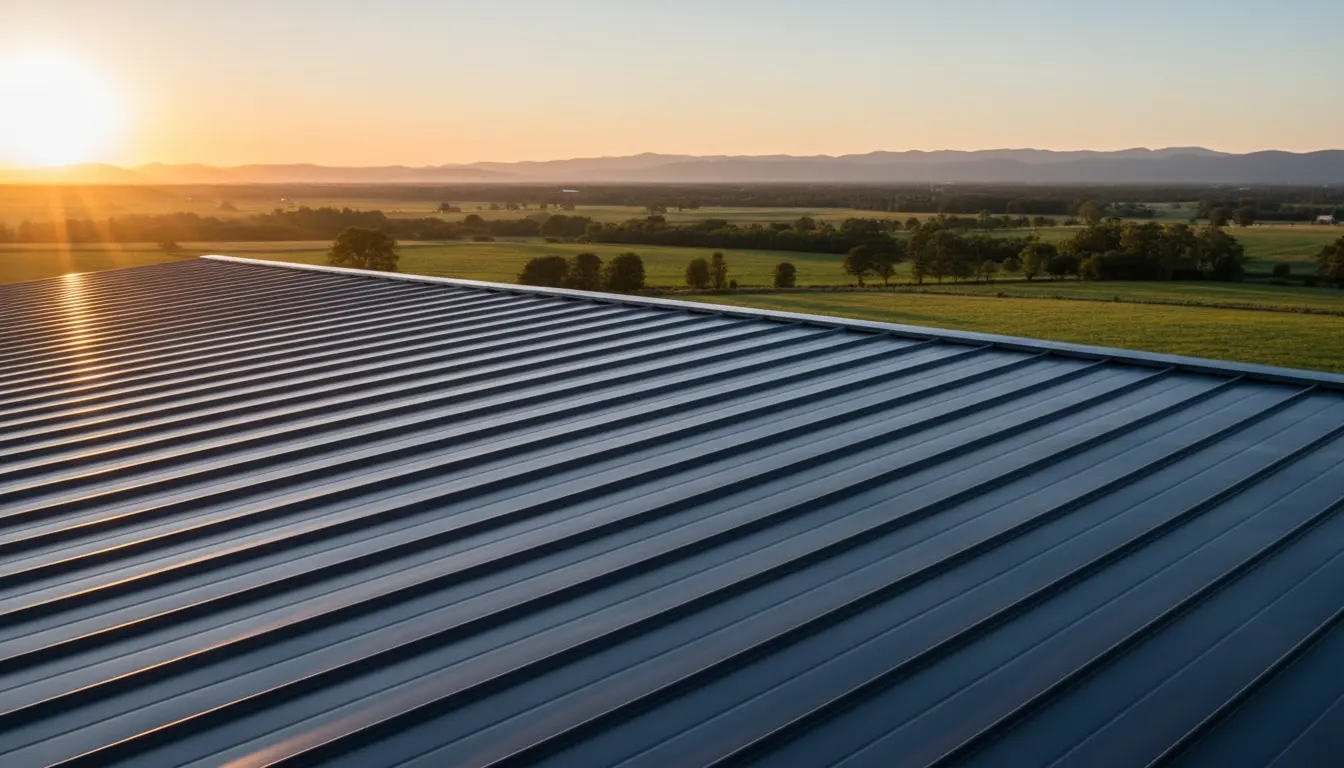
Find the Best Metal Roofing Companies for Your Business
No obligation • Fast responses • Nationwide coverage

Why you can trust Roof Lists
Roof Lists is a leading U.S. resource for finding and comparing roofing contractors. Our team researches providers, reviews customer feedback, and publishes clear, unbiased information. Companies cannot pay to change rankings or our editorial opinions.
Search providers near you
Top Metal Roofing Companies in Noblesville, Indiana Ranked
For homeowners in Noblesville, a metal roof is an excellent choice for navigating the local climate's extreme weather, offering superior durability and energy efficiency over traditional asphalt shingles. This guide explains why metal is an ideal material for Indiana's four-season climate, explores the different styles and materials available, and outlines key considerations like cost and maintenance. You can use this information to understand your options and connect with qualified local professionals for your project.
Indy Rooftops - Roofing Repair Contractor
4254 N Raceway Rd, Indianapolis, IN 46234
Indy Rooftops - Roofing Repair Contractor is a woman-owned roofing company based in Indianapolis, IN, offering a wide range of roofing services including installation, replacement, leak repair, and roof inspections. They specialize in metal roofing, standing seam, TPO, built-up, and flat roofing systems, providing tailored solutions using high-quality materials. The company emphasizes thorough roof inspections and preventive maintenance to extend roof lifespan. With local expertise and full licensing, Indy Rooftops has built a reputation for quality craftsmanship and customer care. They also provide 24/7 emergency roofing services to address urgent issues promptly.
Amos Exteriors
7301 E 46th St, Indianapolis, IN 46226
Amos Exteriors is a family-owned exterior remodeling company based in Indianapolis, IN, serving Central Indiana since 1971. They offer a wide range of services including roofing installation and replacement, roof repair, metal roofing with standing seam options, and roof inspections with certification. The company handles both residential and commercial projects, providing materials such as GAF asphalt shingles, slate, cedar shake, flat roofing systems, TPO, EPDM, modified bitumen, and metal roofing. Amos Exteriors also offers 24/7 emergency storm restoration services to quickly address roof damage caused by severe weather. With over 50 years of experience, they bring certified expertise and a satisfaction guarantee to their work.
Bone Dry Roofing
7 220 US 31 S, Indianapolis, IN 46227
Bone Dry Roofing is a roofing contractor based in Indianapolis, IN, serving local residential customers with roof installation, replacement, repair, and inspection services. They specialize in metal roofing, including standing seam, and offer roof certification and leak repair. The company is known for thorough roof inspections and detailed workmanship, addressing issues such as decking replacement and chimney flashing. Bone Dry Roofing has served over 118,000 homes and is committed to supporting military members, veterans, senior citizens, first responders, teachers, and healthcare professionals in the community.
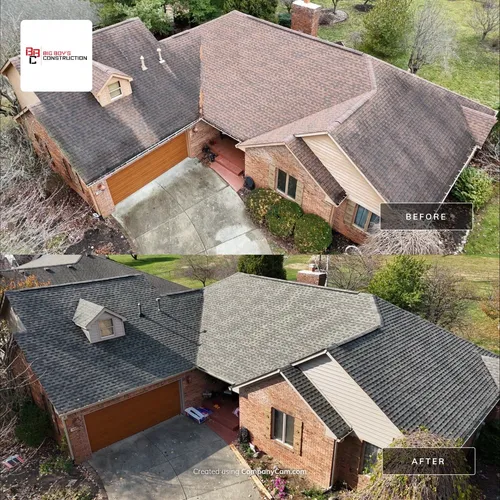
Big Boy's Construction
241 S State Ave Suite B, Indianapolis, IN 46201
Big Boy's Construction is a roofing contractor based in Indianapolis, IN, specializing in roof installation, replacement, repair, and inspection services. They are recognized as a GAF Master Elite Contractor, placing them among the top 2% of contractors nationwide. The company handles insurance claims and restoration projects, offering expertise in metal roofing including standing seam systems. With a focus on craftsmanship and professionalism, Big Boy's Construction works closely with clients throughout the construction process to ensure value and satisfaction.
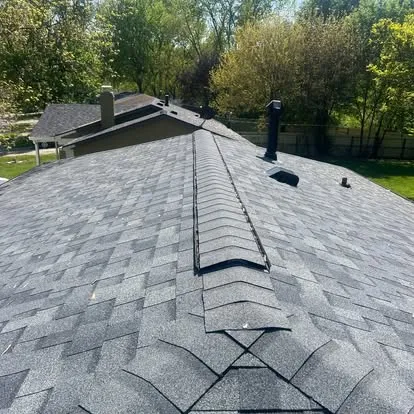
Raptor Roofing
5145 S Meridian St Suite B, Indianapolis, IN 46217
Raptor Roofing is a roofing contractor based in Indianapolis, IN, offering a wide range of services including roof installation, replacement, repair, leak repair, metal roofing with standing seam options, roof inspections, and certifications. They also provide gutter replacement, James Hardie siding installation, attic insulation, and window services for both residential and commercial properties. The company serves Indianapolis and the surrounding Central Indiana areas, focusing on durable materials and thorough workmanship. Raptor Roofing is known for assisting with insurance claims and providing emergency roofing services, including after-storm response. Their team is experienced in handling complex insurance processes and specializes in metal roofing installations for churches and commercial buildings.
Why Choose a Metal Roof for Noblesville's Climate?
Indiana's climate presents a unique challenge for any roofing material, with hot, humid summers, heavy snowfall, hail, and high winds 1 2. A metal roofing system is specifically engineered to excel in these conditions, providing long-term protection and performance where other materials may falter.
- Durability and Weather Resistance: Metal panels are highly resistant to wind uplift and hail damage. Their smooth, hard surface excels at shedding snow quickly, which prevents heavy accumulation and the formation of destructive ice dams that can lead to leaks 3 4.
- Corrosion Resistance: In Noblesville's humid environment, corrosion resistance is critical. Steel and aluminum are popular choices, but it's essential to ensure steel is properly coated (with galvanized or Galvalume coatings) to provide a long-lasting barrier against rust 5.
- Energy Efficiency: A significant advantage during Indiana's sweltering summers is a metal roof's reflective properties. Lighter-colored metal roofs reflect a substantial amount of solar heat away from your home, which can reduce air conditioning costs and improve indoor comfort 6 7.
- Material Gauge (Thickness): For residential use, the thickness of the metal, measured in gauge, impacts durability and cost. A 26-gauge steel panel often provides a good balance, offering better resistance to denting from hail or fallen branches than thinner 29-gauge options.
Popular Metal Roofing Styles for Your Home
Residential metal roofing primarily falls into two categories: vertical panels and interlocking shingles 8. Each offers a distinct look and set of performance characteristics.
Standing Seam Roofing
This premium system features vertical panels with raised seams that conceal all fasteners. It offers a sleek, modern appearance and superior weather resistance because there are no exposed screws for water to penetrate. The concealed fastener design also means it requires the least maintenance over its lifespan, making it a popular, long-term investment for the Indiana climate.
Exposed Fastener Panels (Corrugated/Ribbed)
This is a more budget-friendly panel option where screws are visible, securing the metal directly to the roof deck. While commonly used for agricultural buildings, it can be a functional choice for homes. However, the exposed fasteners have rubber washers that can degrade over time with Indiana's temperature fluctuations, potentially requiring more frequent checks or replacement to maintain a watertight seal 9 10.
Metal Shingles and Tiles
For homeowners who desire the benefits of metal but prefer a more traditional aesthetic, metal shingles are an ideal solution. These systems are designed to mimic the appearance of asphalt shingles, wood shakes, slate, or even clay tiles. They offer the same longevity, durability, and weather resistance as metal panels while enhancing your home's curb appeal with a classic look 11 12.
Find the perfect metal roofing companies for your needs
Get personalized recommendations and expert advice
Addressing Common Metal Roof Concerns
Two frequent questions from homeowners are about noise and maintenance. Modern metal roofing addresses these concerns directly.
- Noise: A common myth is that metal roofs are noisy during rain or hail. When installed properly over solid roof sheathing and with adequate attic insulation, the sound level inside a home with a metal roof is comparable to that of any other roofing material. The installation technique effectively minimizes noise, making storms no louder than they would be with an asphalt shingle roof 13 14.
- Maintenance: Metal roofs are celebrated for being very low maintenance. A quality standing seam system, with its concealed fasteners, may require little more than periodic inspections and keeping gutters clear. While incredibly long-lasting (typically 40-70 years or more), all roofs benefit from occasional checks. Maintenance is generally simple and may involve cleaning debris or, after several decades, considering a re-coating to refresh the finish 15 16.
Understanding Metal Roofing Costs in Noblesville
Costs in the Noblesville area align with broader Indiana averages, though the final price depends on the material chosen, the complexity of your roof (including features like valleys, dormers, and pitch), and local labor rates 17. While the upfront investment is higher than for asphalt shingles, the exceptional lifespan and durability of metal often make it a better long-term value.
Below are typical installed costs per square foot (one "square" in roofing equals 100 square feet) 18:
| Metal Type/Style | Average Cost per Square Foot Installed |
|---|---|
| Corrugated/Exposed Fastener Steel | $5 - $12 |
| Standing Seam Steel/Aluminum | $9 - $16 |
| Metal Shingles/Stone-Coated Steel | $6 - $18 |
| Premium (Copper/Zinc) | $15 - $40+ |
For a standard 2,000 sq. ft. home in Noblesville, total installed costs generally range from $15,000 to over $40,000. Many homeowners investing in high-quality standing seam systems find the total cost falls between $19,000 and $38,000 19 20. Getting detailed quotes from experienced local installers is the best way to understand the specific investment for your home.
Frequently asked questions
Sources
Footnotes
-
Indiana Roofing Materials & Midwest Climate? | Nationwide - https://nationwidecontractingllc.com/indiana-roofing-materials-what-works-best-in-the-midwest-climate/ ↩
-
Best Roofing Materials for Indiana's Four-Season Climate - https://romansroofing.net/blog/roofing-materials-for-indianas-climate/ ↩
-
Best Roofing Material for Cold Climates - https://cornettroofing.com/best-roofing-material-for-cold-climates/ ↩
-
Picking The Best Roofing Material For Your Climate - https://amstillroofing.com/blog/picking-the-best-roofing-material-for-your-climate/ ↩
-
Which Type of Metal Roof is Best for Your Indiana Home? - https://allthatroofingin.com/best-metal-roof-for-indiana-home/ ↩
-
Metal Roofing Summer Performance Beats the Heat - https://gutapfelroofing.com/metal-roofing-summer-performance-beats-heat/ ↩
-
Best Metal Roof Colors for Energy Savings & Curb Appeal - https://indianametal.com/2025/05/07/roofcolormatters/ ↩
-
Metal Roofing Styles - https://armormetalroofing.com/metal-roofing-styles/ ↩
-
The Premier Guide to Metal Roofing - Cornett Roofing Systems - https://cornettroofing.com/premier-guide-metal-roofing/ ↩
-
Metal Roofing in Indiana: Built to Last, Designed to Impress - https://www.extwoodrest.com/cedar-roofing ↩
-
10 Metal Roofing Styles for Your Columbus Home - https://www.ableroof.com/blog/10-metal-roofing-styles/ ↩
-
Metal Roofing Contractor in Indianapolis, IN - https://www.cochranexteriors.com/roofing/metal ↩
-
The Premier Guide to Metal Roofing - Cornett Roofing Systems - https://cornettroofing.com/premier-guide-metal-roofing/ ↩
-
Metal Roofing Myths: The Truth About Noise and Durability - https://saintraphaelroofing.com/metal-roofing-myths-the-truth-about-noise-and-durability/ ↩
-
Metal Roofing Summer Performance Beats the Heat - https://gutapfelroofing.com/metal-roofing-summer-performance-beats-heat/ ↩
-
Indiana Metal Roofing Services | Metal Roof Installation - Hoel Roofing - https://www.hoelrr.com/services/roofing/metal-roofing/ ↩
-
Metal Roof Cost in 2025, What Homeowners Need to Know - Cobex - https://cobexcg.com/metal-roof-cost/ ↩
-
How Much Does a Metal Roof Cost? (2025) - HomeGuide - https://homeguide.com/costs/metal-roof-cost ↩
-
How Much Does it Cost to Replace a Metal Roof in Indiana ... - https://www.hoelrr.com/blog/how-much-does-it-cost-to-replace-a-metal-roof-in-indiana-2025-guide/ ↩
-
Roof Replacement Cost Indianapolis: 2026 Price Guide & Options - https://indyroofandrestoration.com/roof-replacement-cost-indianapolis-2026/ ↩