Find the Best Metal Roofing Companies for Your Business
No obligation • Fast responses • Nationwide coverage
Why you can trust Roof Lists
Roof Lists is a leading U.S. resource for finding and comparing roofing contractors. Our team researches providers, reviews customer feedback, and publishes clear, unbiased information. Companies cannot pay to change rankings or our editorial opinions.
Search providers near you
Best Metal Roofing Companies in Connecticut Ranked
For Connecticut homeowners, a roof is a critical line of defense against a climate that delivers heavy snow, coastal storms, humid summers, and everything in between. A metal roof installation represents a significant, long-term investment designed to meet these challenges head-on. Known for exceptional longevity-often exceeding 50 years-metal roofing systems provide durability, energy efficiency, and superior weather resistance that aligns well with the demands of the Nutmeg State. Choosing the right type, material, and installation approach is key to maximizing these benefits and ensuring your home is protected for decades.
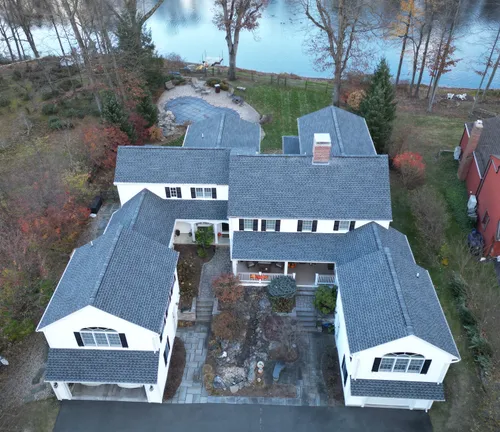
Connecticut Roofing Solutions
998 Farmington Ave, West Hartford, CT 06107
Connecticut Roofing Solutions is a licensed and insured roofing contractor based in Hartford, CT, serving homeowners throughout Connecticut. They specialize in residential roofing installation and replacement, including asphalt shingles, standing seam metal roofs, cedar shakes, and composite tiles. The company is a certified installer for major manufacturers such as GAF, CertainTeed, and James Hardie, ensuring quality workmanship backed by a 25-year workmanship warranty. With over 200 five-star reviews, they have a strong reputation for detailed craftsmanship and customer care. Their services also extend to siding and gutter installation, covering a wide range of exterior home improvement needs.
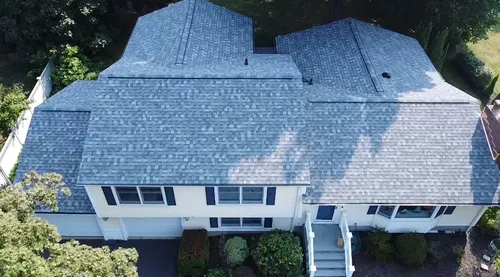
Brown Roofing
12 Progress Ave, Seymour, CT 06483
Brown Roofing is a family-owned roofing contractor serving New Haven, CT, and surrounding areas since 1972. They offer roof repair, replacement, and gutter installation services, working with materials such as asphalt and metal roofing. The company is known for its exclusive Gutter Shutter System made from premium-grade aluminum, designed to prevent clogging and sagging. With over 50 years of experience, Brown Roofing provides craftsmanship backed by a 50-year warranty and uses materials from leading manufacturers.
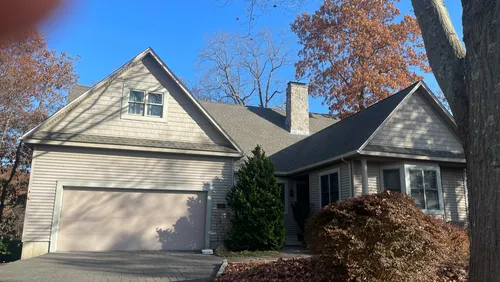
Amity Home Maintenance Solutions
3 Research Dr, Branford, CT 06405
Amity Home Maintenance Solutions is a licensed and fully insured residential roofing and home improvement company based in New Haven, CT. Serving New Haven County, Middlesex County, and surrounding areas, they specialize in roof replacements, repairs, skylight installations, siding, gutters, and leak detection. With over 45 years of combined experience, they are GAF-certified roofing specialists and CertainTeed-certified siding contractors, offering factory-certified installations backed by manufacturer warranties. Amity is also a Certified Velux® Installer, providing skylight services with a 10-year "No Leak" warranty. Their services include asphalt and metal roofing, gutter systems, siding, and comprehensive leak detection and repair.
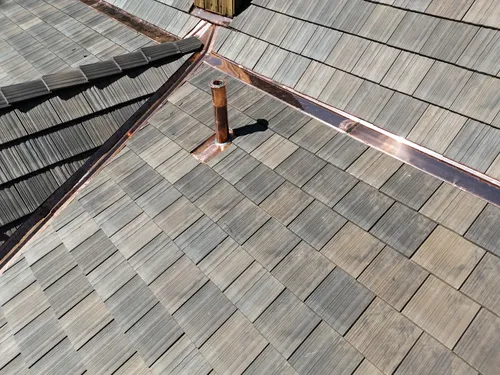
Gunner Roofing
78 Halloween Blvd, Stamford, CT 06902
Gunner Roofing is a family-owned roofing contractor based in Stamford, CT, specializing in roof installation and replacement, including metal roofing with standing seam options. They offer services primarily in Connecticut, New York, and New Jersey, with nationwide availability for GAF asphalt roofing installations. The company provides comprehensive roofing solutions, including full tear-out and replacement of shingles, gutters, skylights, and siding. As a GAF-certified installer, Gunner Roofing also offers innovative solar shingle installations that integrate renewable energy into roofing systems. They handle all necessary permits and provide detailed estimates that include labor and materials, aiming to simplify the home improvement process for their clients.
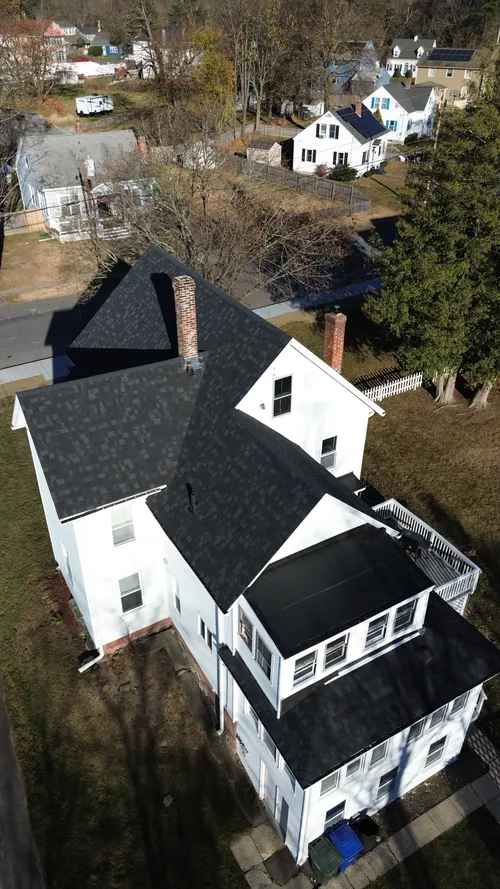
Hemlock Roofing CT
105 Evergreen Ave, Hartford, CT 06105
Hemlock Roofing CT is a local roofing company based in Hartford, CT, offering residential and commercial roofing services. They specialize in roof installation, replacement, and inspection, with expertise in materials such as asphalt shingles, metal roofing including standing seam, EPDM, and TPO. Hemlock Roofing also provides drone roof inspections, using advanced technology to deliver precise and efficient assessments. Serving Hartford and surrounding areas, the company emphasizes craftsmanship and clear communication throughout each project. Hemlock Roofing is committed to supporting customers with flexible financing options and aims to build lasting community relationships.
Why Choose a Metal Roof for Connecticut's Climate?
Connecticut's diverse weather patterns require a roofing material that can perform consistently year-round. Metal roofing excels in this environment for several specific reasons:
- Superior Snow Shedding: The smooth, hard surface of most metal panels allows snow to slide off more easily than from asphalt shingles. This reduces the risk of excessive weight buildup, which can strain your home's structure. Properly installed metal roofs are engineered to handle Connecticut's snow loads efficiently.
- Wind and Impact Resistance: High-quality metal roofing systems are rated to withstand high winds, making them an excellent choice for areas prone to nor'easters and strong thunderstorms. They also offer better resistance to hail damage compared to many other materials.
- Corrosion Resistance for Coastal Areas: For homes near Long Island Sound, material choice is paramount. Aluminum roofing is highly recommended for coastal zones because it does not rust, offering superior corrosion resistance against salt spray. Other materials, like steel, require specialized coatings to perform in these conditions.
- Long-Term Durability: While the initial investment can be higher, the lifespan of a metal roof is typically two to three times longer than traditional asphalt shingles. This durability translates to fewer replacements over the life of your home and can be a compelling value proposition.
Popular Types of Metal Roofing for Connecticut Homes
Not all metal roofs are the same. The style you choose affects aesthetics, performance, and cost. The most common types installed in Connecticut include:
- Standing Seam: This is often the top choice for its clean lines and exceptional performance. Panels run vertically up the roof with raised seams that interlock above the panel flat. This design hides fasteners, provides excellent waterproofing, and allows for thermal expansion and contraction, which is important with Connecticut's temperature swings. Its smooth surface is ideal for shedding snow.
- Metal Shingles or Tiles: For homeowners who desire the benefits of metal but prefer a more traditional look, metal shingles are an excellent option. They are designed to mimic the appearance of slate, wood shakes, or even classic asphalt shingles while providing the strength and longevity of metal. This style can be particularly appealing for historic homes or specific architectural styles.
- Stone-Coated Steel: This hybrid option features a steel core covered with a layer of stone granules. It offers the impact resistance of metal with an aesthetic that closely resembles traditional composite shingles or clay tiles. While durable, it's generally less recommended for immediate coastal areas unless specifically rated for saltwater exposure1 2.
Critical Installation Considerations for Performance
A metal roof is only as good as its installation. In Connecticut, paying attention to specific details is non-negotiable for long-term performance.
- Ventilation is Paramount: Proper attic ventilation is crucial in any climate but especially in Connecticut. In winter, a well-ventilated roof assembly helps maintain a cold roof surface, preventing snow from melting and refreezing at the eaves (ice dams). In summer, it reduces heat buildup in the attic, improving energy efficiency. A metal roofing installer must integrate the new roof with an effective ventilation strategy3.
- Adherence to Building Codes: All roofing work in Connecticut must comply with the State Building Code, which incorporates the International Residential Code (IRC). Key code considerations for metal roofing include:
- Underlayment: Specific requirements exist for underlayment materials, especially in ice dam-prone areas. Self-adhering membranes are often required at eaves and valleys 4.
- Material Selection Based on Location: As noted, geographic location within the state guides material choice. Aluminum is the gold standard for coastal homes due to its innate rust resistance. For inland properties, galvanized or Galvalume steel (steel coated with an aluminum-zinc alloy) is a common and cost-effective choice, offering robust performance8 9 10.
Find the perfect metal roofing companies for your needs
Get personalized recommendations and expert advice
Understanding the Investment: Metal Roofing Costs in CT
The cost of a metal roof in Connecticut is influenced by the material, style, complexity of your roof, and labor. It's important to view this as a long-term investment rather than just an upfront cost.
- Material Cost Ranges: Prices vary significantly by material type. Steel panels are generally the most economical, while aluminum carries a moderate premium for its corrosion benefits. Specialty metals like zinc or copper are at the high end of the spectrum.
- Typical Installed Cost: For a standard installation on a typical home, homeowners can expect an installed cost often ranging from $10 to $14 or more per square foot. This means for a 2,000-square-foot roof, the total investment could range from approximately $20,000 to $38,000+, with the final price depending on all the factors mentioned11 12.
- Factors Influencing Price: Complex roof designs with multiple valleys, dormers, skylights, or a steep pitch will increase labor and material waste. The choice between exposed-fastener panels (lower cost) and standing seam (higher cost) also creates a wide price range. Always ensure your quote includes complete tear-off of old roofing, disposal, underlayment, flashing, and all necessary ventilation components13.
Maintenance and Longevity Expectations
One of the most appealing aspects of a metal roof is its low maintenance requirement. Routine care involves:
- Inspecting the roof periodically, especially after severe storms, for any debris or potential damage.
- Keeping gutters clean to ensure proper drainage.
- Trimming back tree branches that could scrape the roof surface.
- For some finishes, a periodic wash with water and a mild detergent can help maintain appearance.
With proper installation and minimal care, a quality metal roof on a Connecticut home is designed to last for 50 years or more, providing peace of mind and long-term protection for your property 14.
Frequently asked questions
Sources
Footnotes
-
Homeowners Guide: Which Type of Metal Roofing is Best for Your ... - https://www.decra.com/blog/homeowners-guide-which-type-of-metal-roofing-is-best-for-your-home ↩
-
Choosing The Right Log Cabin Roof: Types and Materials - https://bigcabin.com/blog/log-cabin-roof-guide ↩
-
Metal Roofing & Weather: Best Warm & Cold Climate ... - https://sheffieldmetals.com/learning-center/warm-cold-weather-metal-roofing/ ↩
-
CHAPTER 9 ROOF ASSEMBLIES - 2021 IRC PORTION - https://codes.iccsafe.org/content/CTRC2022P1/chapter-9-roof-assemblies ↩
-
Roofing Types - CT.gov - https://portal.ct.gov/-/media/DAS/OEDM/2018-CD-HO/FA18--Roofing-Flashing-and-Related-Materials-2-Slide-Handouts.pdf ↩
-
Connecticut Roofing Codes: Permitting Rules by City + CSBC ... - https://myroofhub.com/legal/connecticut-roofing-codes/ ↩
-
2022 Connecticut State Building Code - 2021 IBC Portion - 1507.1.1 ... - https://codes.iccsafe.org/s/CTBC2022P1/chapter-15-roof-assemblies-and-rooftop-structures/CTBC2022P1-Ch15-Sec1507.1.1 ↩
-
The Benefits of Metal Roofing in Connecticut's Climate - https://tjr-construction.com/the-benefits-of-metal-roofing-in-connecticuts-climate/ ↩
-
Metal Roofing in Connecticut - https://www.eastcoastmetalroofing.com/roofs/ct ↩
-
Best Roofing Materials for Connecticut Homes | Fulcrum CT - https://fulcrumct.com/best-roofing-material-for-connecticut-homes/ ↩
-
Metal Roof Cost: Complete Breakdown By Size & Material - https://paccsolutions.com/blog/metal-roof-cost-per-sqft/ ↩
-
How Much Does a 2000 Square Foot Roof Cost - https://mooseroofing.com/how-much-does-a-2000-square-foot-roof-cost/ ↩
-
Cost Considerations for Commercial Metal Roofs - Rainville-Carlson - https://www.rainvillecarlson.com/metal-roof-cost-considerations/ ↩
-
Pros and Cons of Metal Roofing in Connecticut (2024 Guide) - https://www.risingstarroofing.com/the-advantages-and-disadvantages-of-metal-roofing-revealed/ ↩